
 1 hour ago
10
1 hour ago
10
US inflation just hit a wall that nobody at the Federal Reserve wanted to see again. The Consumer Price Index climbed to 3.8% year-over-year in April 2026, its highest reading in three years, up sharply from 3.3% in March and roughly 2.4% earlier this year.
That trajectory has the Peterson Institute for International Economics projecting inflation could blow past 4% before the year is out. If that happens, it would mark the first time the headline number has breached that threshold since 2023, when the Fed was still in the middle of its most aggressive tightening cycle in decades.
What’s driving the surge
Rising global energy prices, fueled by persistent geopolitical tensions in the Middle East, have been the most visible accelerant. But tariffs and sticky core inflation components are doing their share of the heavy lifting too.
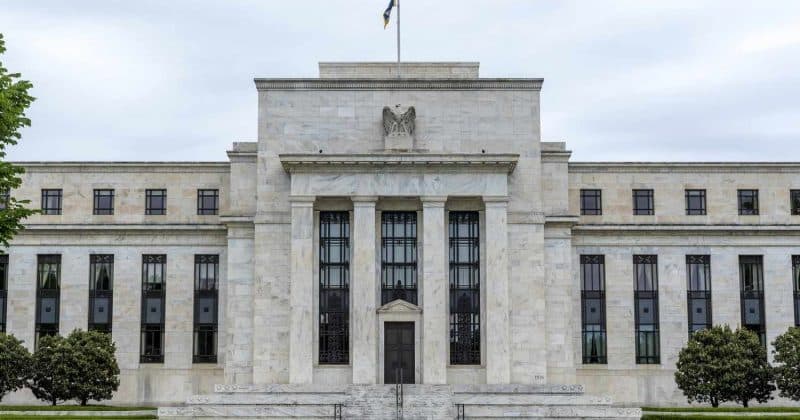
The Federal Open Market Committee has already revised its core PCE inflation forecast upward to 2.7% for 2026. March’s PCE inflation estimate came in at 3.5%. The Fed is currently holding its target rate at 3.50%-3.75%, a range that looked like a temporary stop on the way down just a few months ago. Officials have downgraded expectations for rate cuts, and some forecasts suggest the central bank may actually need to raise rates by 2026 if inflation continues accelerating.
Bitcoin holds the line above $80K
Against this backdrop, Bitcoin was trading above $80,000 in mid-May 2026, showing a level of resilience against rising inflation data. The broader crypto market has shown more mixed reactions, with other risk assets facing headwinds as the prospect of higher-for-longer rates recalibrates investor expectations.
What this means for crypto investors
If inflation does cross 4%, the Fed won’t just pause cuts. It may actively consider hiking again. That scenario would represent the first rate increase since the tightening cycle that peaked in 2023.
Unlike demand-driven inflation, which the Fed can address by cooling economic activity, supply-side shocks from geopolitical conflicts are essentially outside the central bank’s toolkit. Raising rates doesn’t produce more oil.
The key indicators to watch are monthly CPI prints, energy futures, and any shifts in Fed language around the September and December FOMC meetings. If core PCE continues trending above the Fed’s 2.7% revised forecast, the probability of a rate hike in early 2027 rises substantially.
Disclosure: This article was edited by Editorial Team. For more information on how we create and review content, see our Editorial Policy.





 English (US) ·