
 1 hour ago
18
1 hour ago
18
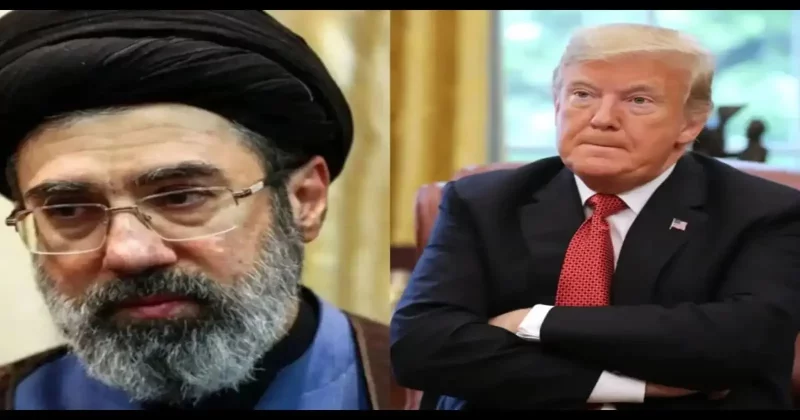
The US and Iran are inching toward a framework agreement that could pause one of the most volatile geopolitical conflicts of 2026. US President Trump has described the pact as “largely negotiated.” Iranian officials have characterized the situation with a paradox: the agreement is both “very far” and “very close” to resolution, with key wording disputes still blocking the finish line.
What the deal could look like
The emerging framework centers on a few critical components. A 60-day ceasefire extension is on the table, building on the fragile truce that Pakistan brokered starting April 8. The reopening of the Strait of Hormuz is also reportedly part of the package. And perhaps most consequentially, the deal would kick off two months of dedicated nuclear negotiations.
This isn’t being pitched as a comprehensive peace deal. It’s a temporary framework designed to create space for harder conversations later. The conflict traces back to US-Israeli military strikes on Iranian sites in early 2026, which triggered rapid escalation across the Middle East. Over roughly three months, the situation hardened into a tense standoff. Reports from early May indicated that responses to diplomatic overtures were expected within 48 hours, suggesting the pace of negotiations had accelerated considerably.
How crypto markets are reading the room
Bitcoin climbed to approximately $78,400 with modest daily gains as signals of a potential agreement emerged. Tokens like NEAR, WLD, and ZEC displayed stronger rebounds, suggesting that risk appetite across the broader crypto market is ticking upward in response to the diplomatic progress.
Iran has intensified its use of Bitcoin and other digital assets since the onset of the war, leveraging them as tools to circumvent sanctions imposed during the conflict.
What this means for investors
Sanction relief, even partial, could reshape Iran’s relationship with digital assets. A country that has been using Bitcoin to work around financial restrictions might have less incentive to do so if traditional banking channels reopen.
The 60-day ceasefire extension, if secured, would create a defined window during which markets can operate with somewhat reduced uncertainty, with roughly two months before the next major decision point. The tokens that have shown the strongest reactions to negotiation signals — NEAR, WLD, and ZEC — could continue to outperform if positive momentum builds. Iranian officials describing the deal as both “very far” and “very close” is not the language of a done deal, and wording disputes remain unresolved.
Disclosure: This article was edited by Editorial Team. For more information on how we create and review content, see our Editorial Policy.

 English (US) ·