
 5 hours ago
42
5 hours ago
42
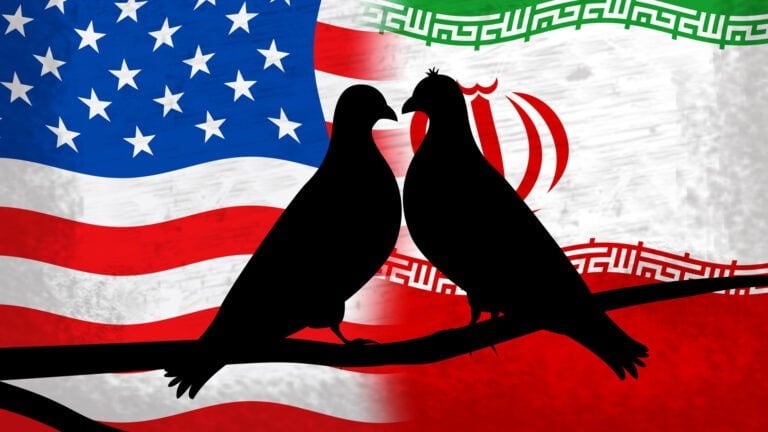
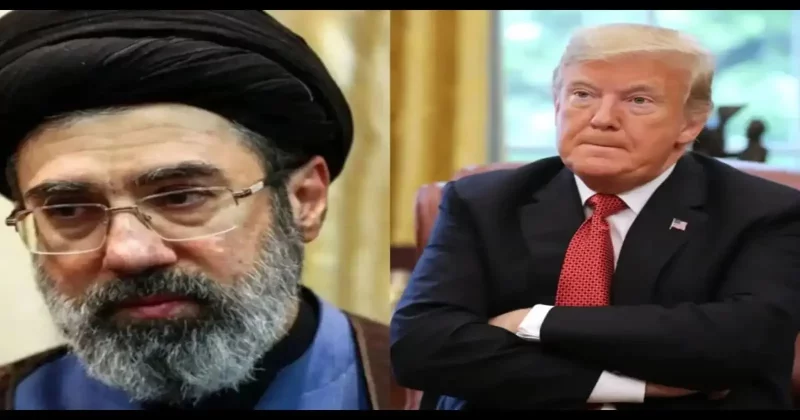
Iran has not agreed to ship out its highly enriched uranium stockpile as part of any deal with the United States. A senior Iranian source disclosed this to Reuters on May 24, directly contradicting previous reports that suggested Tehran was open to such a transfer.
The source emphasized that nuclear-related discussions were not part of any preliminary agreements reached between the two sides.
What’s actually happening in the negotiations
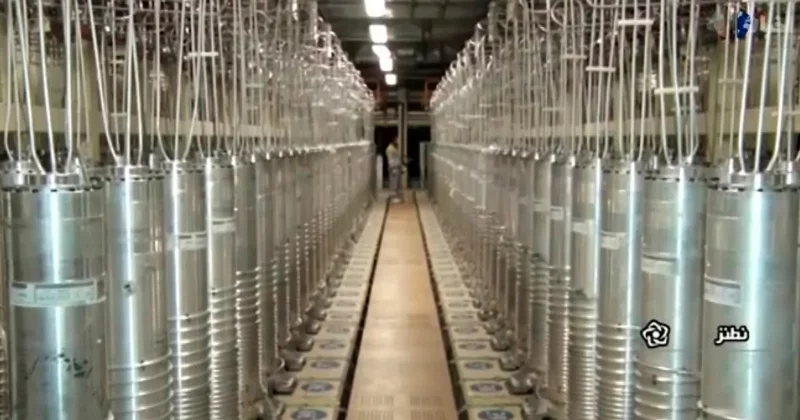
Iran held approximately 440.9 kg of 60%-enriched uranium before strikes in June 2025. Post-strike analyses suggest that much of that stockpile may have been moved to Isfahan ahead of time, meaning Iran likely retained a significant portion of its nuclear material.
Iran has signaled a willingness to downblend its uranium domestically, reducing enrichment levels to 3.7% or 20% under International Atomic Energy Agency supervision. Downblending reduces the material’s proximity to weapons-grade levels without actually giving it up.
The US side has reportedly been pushing proposals that would tie sanctions relief to strict limits on Iran’s enrichment capabilities and stockpile management. Iranian officials have repeatedly asserted that enriched uranium will not be transferred under any circumstances, even as broader talks about frozen funds and sanctions relief continue.
Why crypto traders should pay attention
Iran sits on some of the world’s largest petroleum reserves, and any escalation tends to push crude prices higher as traders price in supply disruption risk. Bitcoin has shown increasing correlation with macro risk sentiment over the past several years. When oil spikes on geopolitical fear, it often triggers a broader risk-off move that drags equities and crypto lower in the short term.
The broader context for investors
The 2015 Joint Comprehensive Plan of Action represented the closest the international community has come to a comprehensive agreement. The US withdrawal from that deal in 2018 set the stage for the current impasse, with Iran gradually escalating its enrichment activities in response to reimposed sanctions.
The June 2025 strikes added a military dimension that fundamentally altered the negotiating dynamic. Iran’s decision to reportedly relocate stockpiles to Isfahan before those strikes suggests a level of strategic preparation that makes simple diplomatic solutions harder to achieve.
If IAEA-supervised domestic downblending becomes the framework for a deal, it could unlock sanctions relief without requiring uranium export.
Disclosure: This article was edited by Editorial Team. For more information on how we create and review content, see our Editorial Policy.





 English (US) ·