
 16 hours ago
25
16 hours ago
25
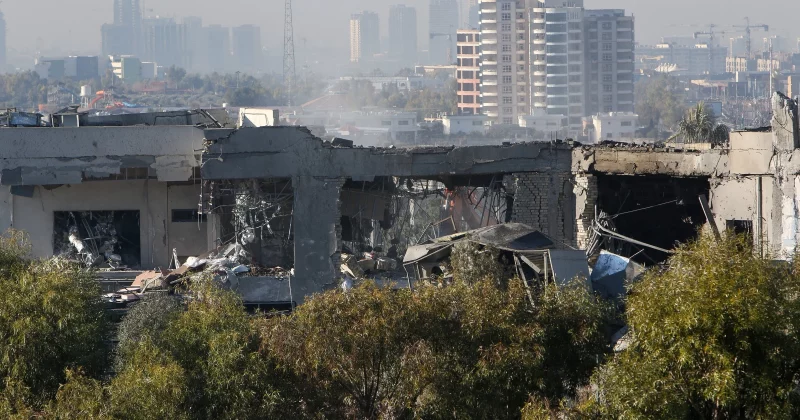
Israeli projectiles struck the Karun Petrochemical Plant in Mahshahr, Iran, on June 8, dealing partial damage to one of the country’s key industrial chemical facilities. No casualties were reported, but the attack marks another escalation in an already volatile conflict between Israel and Iran, and it landed squarely on infrastructure tied to Iran’s broader economic machinery.
The strikes hit around 7:30 AM local time, with two projectiles impacting sections of the plant. Daytime employees across the Mahshahr Petrochemical Special Economic Zone were evacuated following the attack.
What the Karun plant actually does
The Karun plant, operated by the Karoon Petrochemical Company, specializes in producing isocyanates, specifically toluene diisocyanate (TDI) and methylene diphenyl diisocyanate (MDI). These are the chemical building blocks for polyurethane foams, coatings, and adhesives used in everything from car seats to home insulation.
The plant has a production capacity of 40,000 tonnes per year for each of those two chemicals.
Israeli forces confirmed hits on multiple sites linked to what they described as Iran’s ballistic missile program within the broader Mahshahr petrochemical complex.
Iran’s Islamic Revolutionary Guard Corps condemned the attack and signaled what it called “expanded retaliation options,” with particular emphasis on targeting energy infrastructure.
A pattern, not an isolated event
Similar Israeli assaults on Iranian military and industrial facilities occurred in April 2026, establishing a clear pattern of escalation. Each round of strikes has targeted infrastructure that Israel argues is connected to Iran’s missile capabilities, while Iran frames the attacks as unprovoked aggression against civilian economic assets.
The Mahshahr petrochemical zone sits in Khuzestan Province, Iran’s oil-rich southwestern region bordering Iraq.
What this means for energy markets and investors
The IRGC’s explicit mention of targeting energy infrastructure in retaliation is a significant development. If Iran follows through on threats to strike at energy assets, whether Israeli, Gulf state, or shipping infrastructure in the Strait of Hormuz, the consequences for global oil prices could be severe. Roughly 20% of the world’s oil passes through that chokepoint.
The TDI and MDI markets are also worth watching. Any prolonged disruption to Karun’s 80,000-tonne combined annual output could tighten supply in specialty chemical markets.
Disclosure: This article was edited by Editorial Team. For more information on how we create and review content, see our Editorial Policy.





 English (US) ·