
 1 hour ago
18
1 hour ago
18
US Secretary of State Marco Rubio announced that significant progress has been made on a framework aimed at preventing Iran from developing nuclear weapons while keeping the Strait of Hormuz open to international shipping. The diplomatic update, which Rubio characterized with “good signs” on May 21, 2026, arrives against a backdrop of military confrontations, escalating sanctions, and an unexpected player in the mix: cryptocurrency.
The Strait of Hormuz handles roughly 25% of the world’s petroleum trade.
The deal on the table
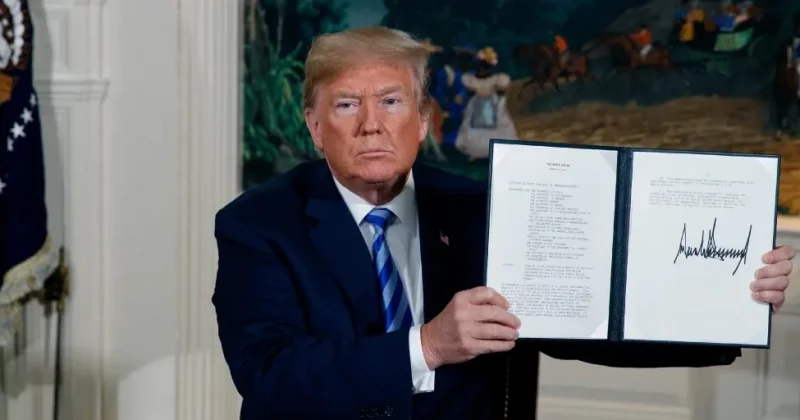
Rubio has emphasized repeatedly, including on May 5 and May 22, that any agreement must address two non-negotiable issues: Iran’s nuclear capabilities and the militarization of the Strait of Hormuz. The technical issues are genuinely complex. Uranium enrichment levels, tolling rights for international vessels, and verification mechanisms all remain sticking points. Rubio has signaled that while the US prefers a diplomatic resolution, President Trump has alternative strategies if a satisfactory agreement cannot be reached.
Earlier in 2026, US and Israeli forces conducted strikes against Iranian assets, ratcheting tensions to levels not seen since the US withdrew from the JCPOA in 2018. Those strikes apparently brought Iran to the table, but they also prompted Tehran to explore ways to control maritime access through the Strait as leverage.
Bitcoin enters the shipping lanes
In May 2026, Iran initiated Bitcoin-backed shipping insurance for vessels transiting the Strait of Hormuz. Iran has also explored cryptocurrency tolls for vessels making the transit. If the US controls the dollar-based financial system and uses it as a weapon, then Iran needs a payment rail that Washington cannot freeze with a phone call.
The US has not been sitting idle on this front. American sanctions enforcement has led to the freezing of approximately $344 million in cryptocurrency assets tied to Iranian activities as of May 2026.
No cryptocurrencies are directly linked to the nuclear discussions themselves. But the intersection of digital assets with oil shipping operations through the Strait highlights how deeply crypto has embedded itself in the geopolitical toolkit.
What this means for crypto investors
On one hand, a nation-state adopting Bitcoin for shipping insurance and maritime tolls is a legitimacy signal. On the other hand, the $344 million freeze demonstrates that the US government’s ability to interdict crypto flows is growing more sophisticated. Investors should not assume that geopolitical adoption of Bitcoin automatically translates into price appreciation.
A successful deal likely calms energy markets and reduces the urgency of Iran’s crypto workarounds. A failed deal escalates military risk, increases sanctions pressure, and probably accelerates Iran’s digital asset adoption. Neither outcome is cleanly bullish or bearish for crypto.
Disclosure: This article was edited by Editorial Team. For more information on how we create and review content, see our Editorial Policy.





 English (US) ·