
 1 hour ago
13
1 hour ago
13
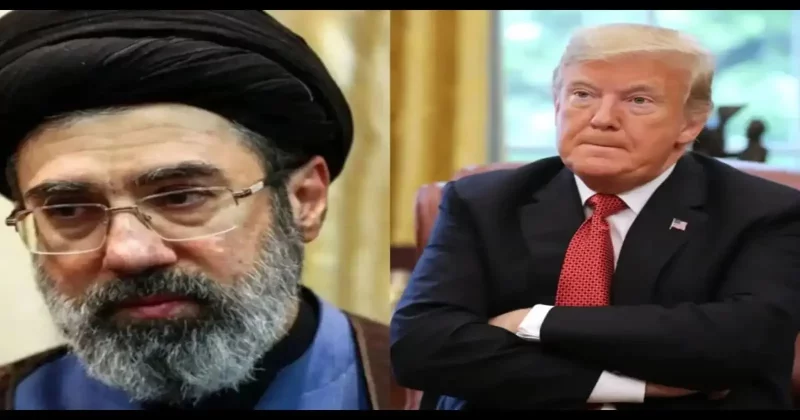
Senior Republican senators have turned on their own president. Ted Cruz, Lindsey Graham, and Roger Wicker publicly labeled the emerging US-Iran ceasefire framework a “disastrous mistake,” warning that the reported terms would embolden Tehran and leave Israel exposed.
The rare intra-party revolt intensified after Trump said a memorandum of understanding to end the US-Israeli conflict with Iran had been “largely negotiated” and was awaiting finalization. For crypto markets, the geopolitical drama is already moving prices.
The political fracture
Cruz, Graham, and Wicker, three of the Senate’s most vocal defense-oriented voices, argue the reported ceasefire terms risk repeating the perceived failures of the 2015 JCPOA nuclear agreement under Obama. Their core concern is that a 60-day ceasefire window could ease maximum-pressure sanctions on Tehran without extracting meaningful concessions on its nuclear program or regional proxy operations.
The critics also flagged that the arrangement would allow unrestricted navigation through the Strait of Hormuz. That’s the narrow waterway connecting the Persian Gulf to the open ocean, through which roughly a fifth of the world’s oil supply passes daily.
How crypto markets are reading the room
Bitcoin surged past $78,000 during the initial wave of ceasefire optimism, reaching its highest level in 10 weeks. That move represented a gain of more than 2%, a meaningful single-session pop for an asset of Bitcoin’s current market cap.
Oil prices dropped sharply following the initial ceasefire announcement. Cheaper energy means lower input costs across the economy, less inflationary pressure, and a friendlier backdrop for the kind of loose monetary conditions that historically fuel crypto rallies.
The sanctions overhang
Approximately $344 million in digital assets currently sit frozen due to sanctions connected to the Iran conflict. That represents real liquidity locked out of the market and real compliance headaches for exchanges, custodians, and traders who interact with flagged wallets or jurisdictions.
Any ceasefire that eventually leads to sanctions relief could theoretically unlock some of those frozen assets, adding liquidity back to the market. For DeFi protocols, the challenge is even more acute, as smart contracts don’t read State Department press releases, and the tension between permissionless finance and nation-state sanctions regimes gets sharper with every escalation cycle.
What this means for investors
Bitcoin’s jump past $78,000 confirms that crypto remains tightly coupled to geopolitical sentiment in the current cycle. Cruz and Graham aren’t backbenchers — they chair key committees and can influence the ratification process for any formal agreement.
Investors should watch the $344 million in frozen digital assets as a leading indicator. Any movement on sanctions relief, even preliminary guidance from OFAC, could signal a broader thaw that benefits exchange-listed tokens and DeFi protocols with exposure to Middle Eastern trading flows.
The Strait of Hormuz dimension adds another variable. If unrestricted navigation holds as part of the deal, oil prices stay subdued. If the hawks succeed in stripping that provision, energy markets get nervous again, and the correlation trade works against digital assets.
Disclosure: This article was edited by Editorial Team. For more information on how we create and review content, see our Editorial Policy.



 English (US) ·