
 53 minutes ago
9
53 minutes ago
9
## Market Snapshot
The December 31, 2026 uranium surrender market sits at 51.5% YES (down from 52% 24 hours ago). The June 30, 2026 sub-market prices at 25.5% YES, up sharply from 14% seven days ago despite the hardened U.S. stance.
## Key Takeaways
– Pricing appears consistent with reduced near-term probability of Iran voluntarily surrendering enriched uranium following the White House ultimatum. – The 26-point spread between June and December sub-markets suggests participants view any agreement as unlikely before late 2026. – The June sub-market’s recent spike appears inconsistent with the diplomatic tone, suggesting contested market views on the timeline.
## Article Body
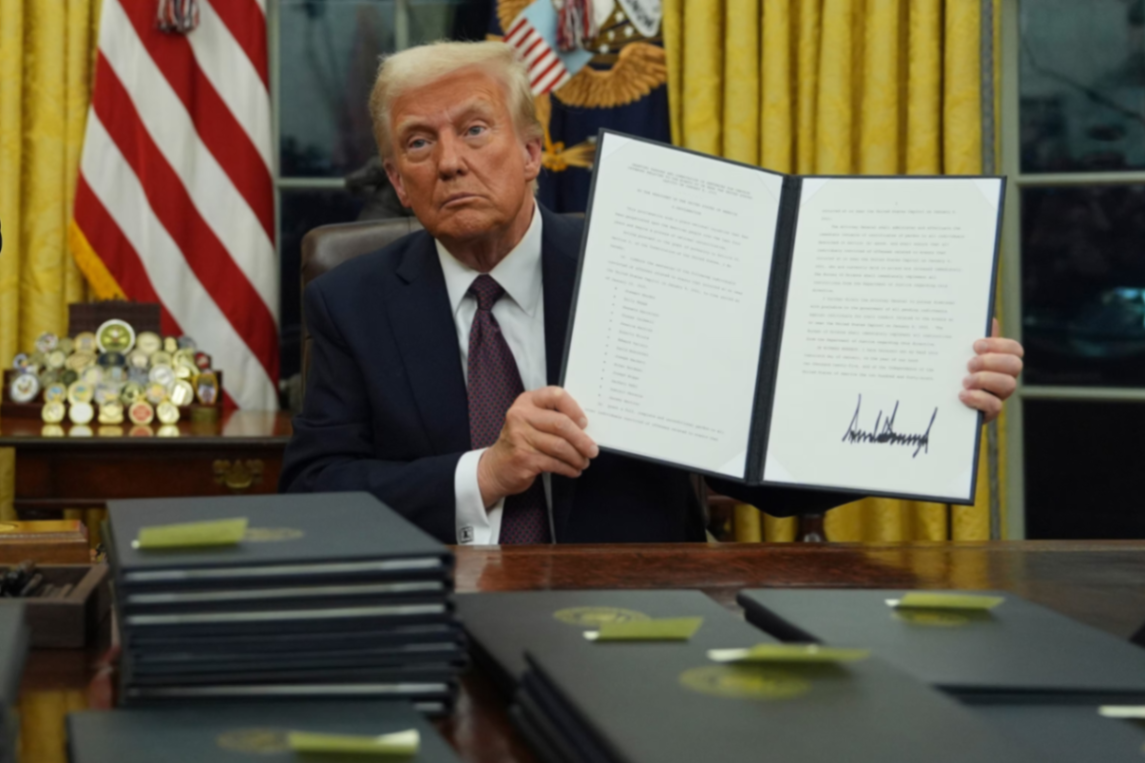
The Trump administration issued an explicit ultimatum Sunday, declaring “no dust, no dollars” — conditioning all sanctions relief and any peace framework on Iran first surrendering its enriched uranium stockpile. The White House statement, reported by the New York Post with apparent administration sourcing, effectively halted momentum toward a rapid Strait of Hormuz deal. President Trump appeared to slow negotiations that had briefly accelerated last week, when U.S. officials told the Jerusalem Post that Iran had agreed “in principle” to dispose of enriched uranium — a claim Iranian officials subsequently denied to Reuters. Negotiator Steve Witkoff and Iranian Foreign Minister Abbas Araghchi have not confirmed any resumed session.
## Market Interpretation
The “no dust, no dollars” declaration appears consistent with pricing supportive of NO outcomes across near-term uranium surrender markets, as it represents a maximalist U.S. demand that Iran has publicly rejected. Impact is rated High for the December 2026 sub-market given the on-record White House sourcing. The June 2026 sub-market’s recent upward move appears inconsistent with the current diplomatic posture, suggesting pricing volatility rather than confirmed progress.
## What to Watch
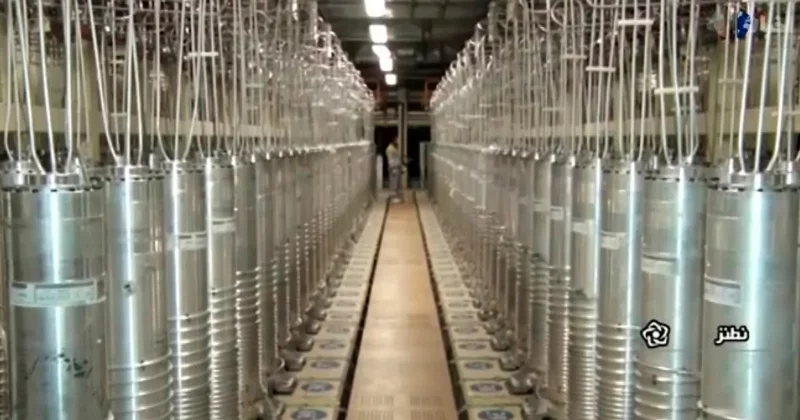
Watch for IAEA Director General Rafael Grossi’s next public statement on Iran’s stockpile status, which could clarify whether any informal uranium movement discussions are underway. A formal response from Iranian Parliament member Seyyed Mahmoud Nabavian or the AEOI’s Mohammad Eslami would represent a key indicator of Tehran’s posture. The next confirmed U.S.-Iran contact — whether in Oman, Turkey, or through Pakistani intermediaries — remains unscheduled as of this report.
Get prediction market intelligence as a structured API feed. Early access waitlist.


 English (US) ·