
 1 hour ago
18
1 hour ago
18
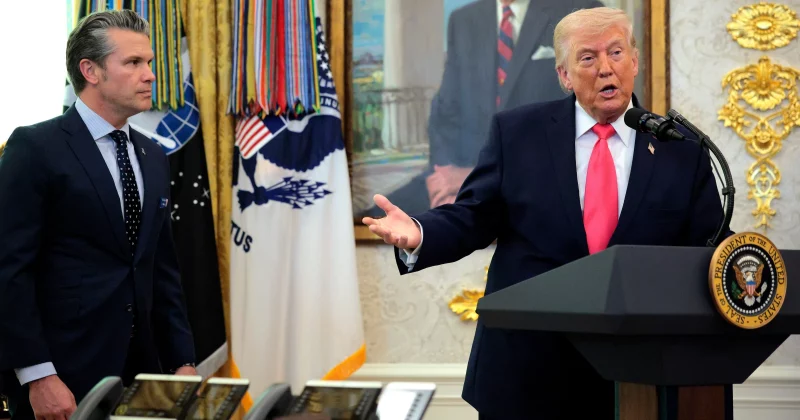
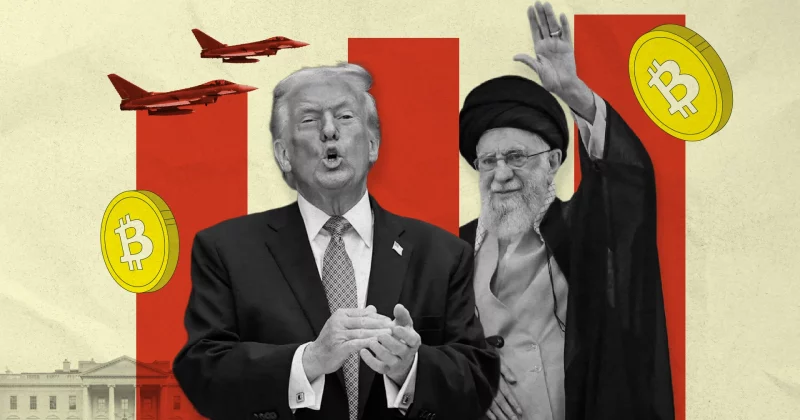
President Donald Trump announced on May 23 that a deal with Iran has been “largely negotiated,” with the reopening of the Strait of Hormuz as a centerpiece of the agreement. Final details, he said, would come after consultations with Israel and other regional allies.
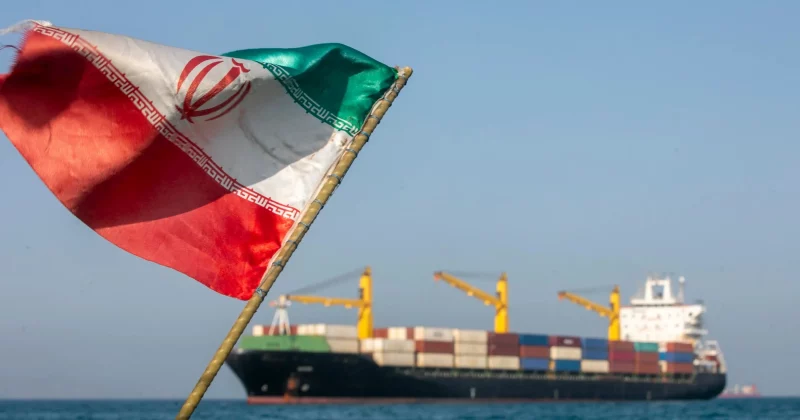
If this holds, it would mark a potential turning point in the 2026 Strait of Hormuz crisis, a months-long standoff involving a US naval blockade, Iranian mining threats, and tolls imposed on commercial shipping.
What’s actually on the table
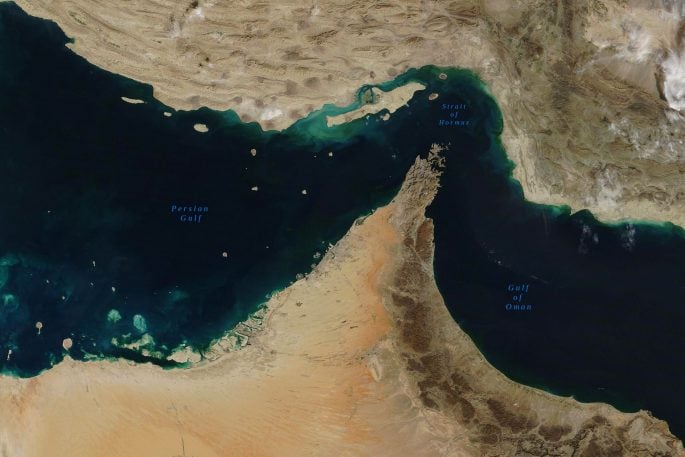
The Strait of Hormuz is the narrow waterway between Iran and the Arabian Peninsula through which roughly a fifth of the world’s oil supply passes daily.
The 2026 crisis escalated in early months of the year, with the US military deploying a blockade and Iran responding with mining threats and the imposition of tolls on tanker traffic. Pakistan attempted to mediate a ceasefire, but lasting resolution remained elusive.
Trump’s announcement frames the deal as nearly complete, though Iranian sources have pushed back, asserting that any agreement would keep control of the strait firmly under Tehran’s authority.
Bitcoin enters the shipping lane
Iran has been exploring Bitcoin acceptance for toll payments on tanker passage through the strait, with reports suggesting a fee of around $1 per barrel as of April 2026.
In parallel, Iran launched “Hormuz Safe,” a Bitcoin-settled insurance platform targeting $10 billion in coverage policies.
Adding another layer of complexity, USD1, a stablecoin affiliated with the Trump family, has been discussed as a potential currency for toll payments in the region.
What investors should watch
The immediate market reaction to Trump’s announcement was muted, with no substantial commentary from crypto experts following the announcement.
The Bitcoin toll payment experiment and Hormuz Safe platform represent a sovereign nation using Bitcoin as core infrastructure for one of the world’s most important trade corridors.
The USD1 stablecoin angle deserves scrutiny too. If a Trump-affiliated token ends up embedded in the payment infrastructure of a region the president is simultaneously negotiating over, that raises conflict-of-interest questions that will almost certainly draw regulatory and Congressional attention.
Disclosure: This article was edited by Editorial Team. For more information on how we create and review content, see our Editorial Policy.

 English (US) ·