
 1 hour ago
10
1 hour ago
10
US Energy Secretary Chris Wright delivered a sobering message on June 9: even after the conflict with Iran ends, getting global energy supplies back to normal won’t be quick. Speaking at the Atlantic Council, Wright said the recovery would take “many months,” a timeline that should concern anyone watching inflation, commodity prices, or the downstream effects on risk assets like crypto.
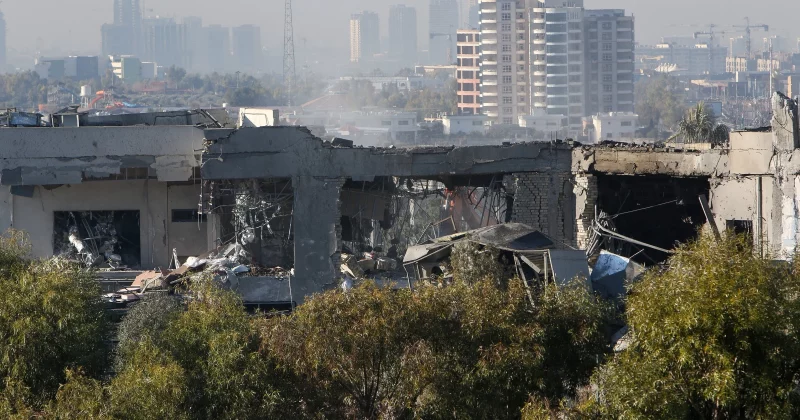
The disruptions trace back to late February, when US and Israeli military strikes on Iran threw a wrench into one of the world’s most critical energy chokepoints. The Strait of Hormuz, a narrow waterway between Iran and Oman, handles roughly 20% of the world’s oil and liquefied natural gas shipments.
What’s actually happening at the Strait of Hormuz
Wright noted that ship traffic through the Strait has risen “very meaningfully” compared to recent weeks. But “more than recently” is not the same as “back to normal.”
Wright, who serves as the 17th US Secretary of Energy under President Trump, has been pushing an energy dominance agenda focused on expanding domestic production and exports.
The energy-inflation-crypto connection
Wright’s remarks didn’t mention cryptocurrency, blockchain, or digital assets. Not even in passing.
Energy prices are one of the most powerful transmission mechanisms for inflation. When oil and LNG costs spike, they feed into transportation, manufacturing, heating, and electricity costs. Those increases ripple through consumer prices, which in turn influence central bank policy. Tighter monetary policy, or even the expectation of it, tends to pull capital away from speculative assets. Bitcoin and the broader crypto market have historically been sensitive to these macro shifts.
Energy costs are a significant input for Bitcoin mining operations. Prolonged elevated energy prices squeeze miner margins, potentially forcing less efficient operations offline. That can affect hashrate, network security dynamics, and ultimately the supply-side economics of Bitcoin itself.
What this means for investors
Wright’s “many months” framing suggests the administration itself doesn’t expect a quick resolution, even in the most optimistic scenario where the conflict winds down relatively soon.
For crypto-focused investors, this creates a few dynamics worth watching. First, monitor energy prices as a leading indicator for inflation expectations. If oil stays elevated, rate cut expectations get pushed further out, which historically creates headwinds for Bitcoin and other risk assets.
Second, pay attention to Bitcoin mining economics. Publicly traded miners often report energy costs as a percentage of revenue. If those percentages start climbing, it could signal broader stress in the mining sector that eventually shows up in hashrate data and difficulty adjustments.
Third, consider the dollar. Prolonged energy disruptions tend to strengthen the US dollar as a safe haven. A stronger dollar has generally been a drag on Bitcoin prices, though that correlation has weakened at times.
Disclosure: This article was edited by Editorial Team. For more information on how we create and review content, see our Editorial Policy.








 English (US) ·