
 2 months ago
64
2 months ago
64
Key Takeaways
- Prediction market platforms show recession likelihood has surged to 39.2%, nearly doubling from 22% in early March 2026
- Major financial institutions estimate recession risk between 30% (Goldman Sachs) and 49% (Moody’s)
- Major indices have declined significantly: S&P 500 down 6%+ monthly, Nasdaq in correction with 10% drop from peak
- Critical valuation indicators — Shiller CAPE Ratio and Buffett Indicator — hover near record territory
- Escalating Middle East tensions drive oil price increases, adding economic pressure
Economic turbulence is becoming increasingly apparent across the United States as 2026 unfolds, prompting heightened vigilance among market participants. Concerns about a potential economic contraction are intensifying, equity markets have experienced substantial declines, and energy commodity prices continue climbing amid geopolitical instability involving U.S.-Iran relations.
On the Kalshi prediction market platform, participants now assess the probability of a 2026 U.S. recession at 39.2%. This represents a dramatic increase from approximately 22% recorded at March’s beginning. The rapid escalation underscores mounting anxiety regarding the economy’s trajectory.
RECESSION ODDS SURGE 
Prediction markets now price a 40% chance of a recession this year.
Wall Street is already catching up:
• Goldman Sachs: 30% recession risk
• Moody’s model: near 50%
• BlakRock warns $150/barrel oil price could trigger a recession
Meanwhile, tensions… pic.twitter.com/LOZ9adUx24
— Karan Singh Arora (@thisisksa) March 30, 2026
Goldman Sachs currently estimates a 30% probability of recession within the coming year, revised upward from their previous 25% assessment. The investment bank notes that while markets are incorporating expectations of economic deceleration, they haven’t fully priced in a complete recessionary scenario.
Moody’s Analytics presents a more cautious outlook. Their econometric forecasting framework indicates recession odds at 49%. The analytics firm cautioned that this probability could breach the 50% threshold should energy prices maintain their upward momentum.
Oil prices represent a crucial element in the current economic narrative. Front-month Brent crude contracts advanced more than 2% to reach $108 per barrel during Monday’s market opening. Nations with significant oil import dependencies, particularly Japan, South Korea, and Taiwan, experienced the steepest equity market declines.
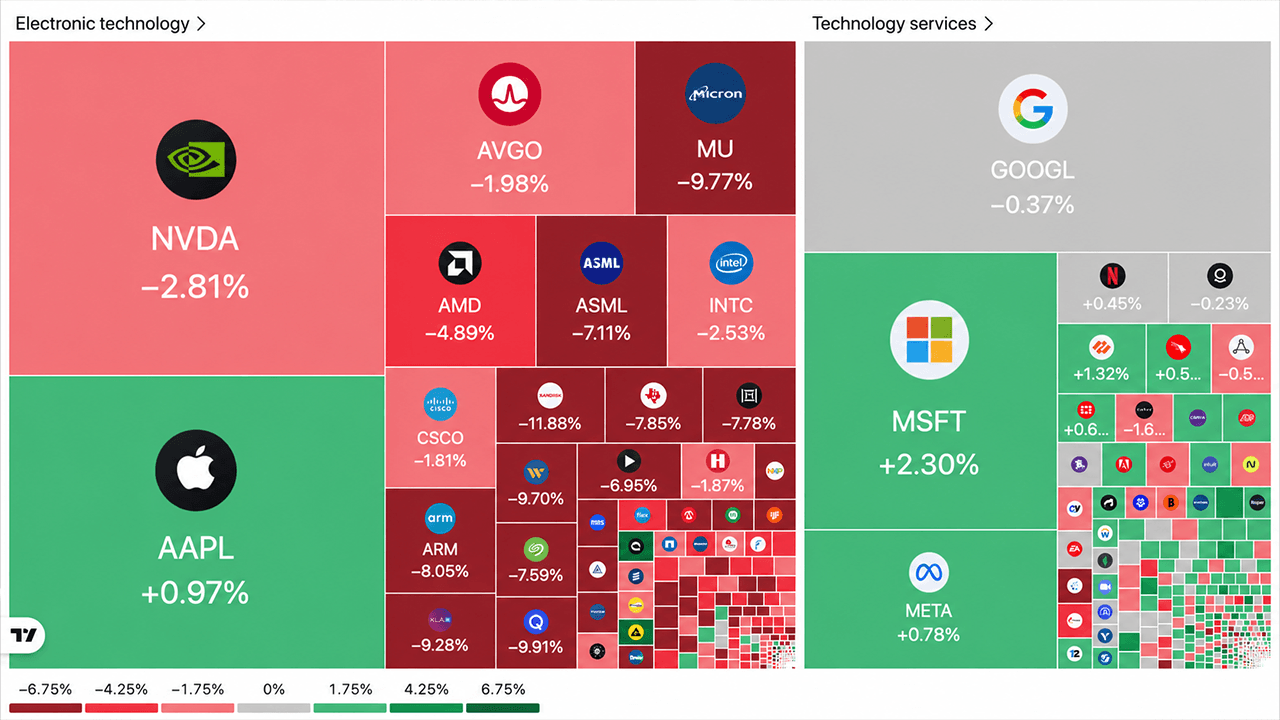
The S&P 500 has contracted by more than 6% throughout the past month. The Nasdaq Composite has fallen 10% from its 2026 high, officially entering correction territory. While U.S. equity futures indicated a positive Monday opening, overall market sentiment remained decidedly cautious.
Market Valuation Indicators Signal Elevated Risk
Two prominent market assessment tools are displaying concerning signals. The Shiller CAPE Ratio for the S&P 500 evaluates the index’s current pricing relative to inflation-adjusted earnings across a decade. The historical mean stands around 17. The metric reached its zenith at 44 during late 1999. Currently, it registers close to 40, representing the second-highest level ever recorded.
The Buffett Indicator, which measures aggregate U.S. equity market capitalization against gross domestic product, provides another concerning data point. Warren Buffett stated in 2001 that readings approaching 200% suggest investors are “playing with fire.” The current reading stands at approximately 213%, surpassing even the 2021 peak of 193%.
Both indicators suggest equity markets may be significantly overvalued as economic uncertainty increases.
Bond Markets and International Developments
U.S. 10-year Treasury yields declined roughly 3 basis points to 4.44% Monday. Earlier weekly increases in yields had intensified pressure on equities by creating tighter financial conditions.
European equity markets posted modest gains Monday morning. Goldman Sachs analysts suggest China maintains stronger resilience against oil price shocks compared to most economies, attributed to its varied energy portfolio and substantial strategic reserves.
NATO’s Military Committee convened an emergency virtual session including defense leadership from all 32 member nations to evaluate the Middle East crisis, highlighting the gravity of international concern surrounding current developments.
The post 2026 Recession Risk: What Current Economic Indicators Are Telling Us appeared first on Blockonomi.







 English (US) ·