
 2 months ago
43
2 months ago
43
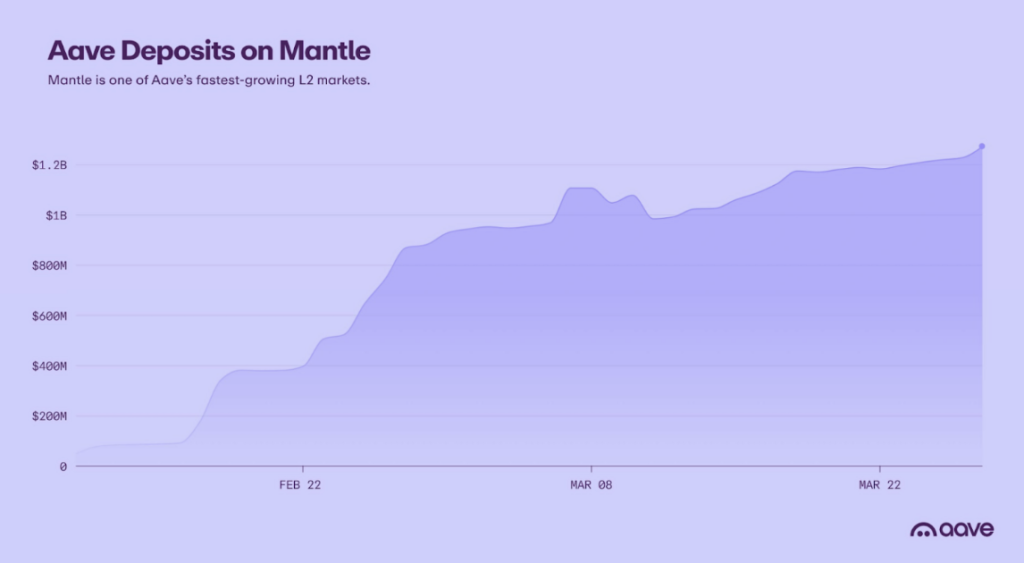
- Aave deposits on Mantle are nearing $1.5B, signaling strong DeFi growth
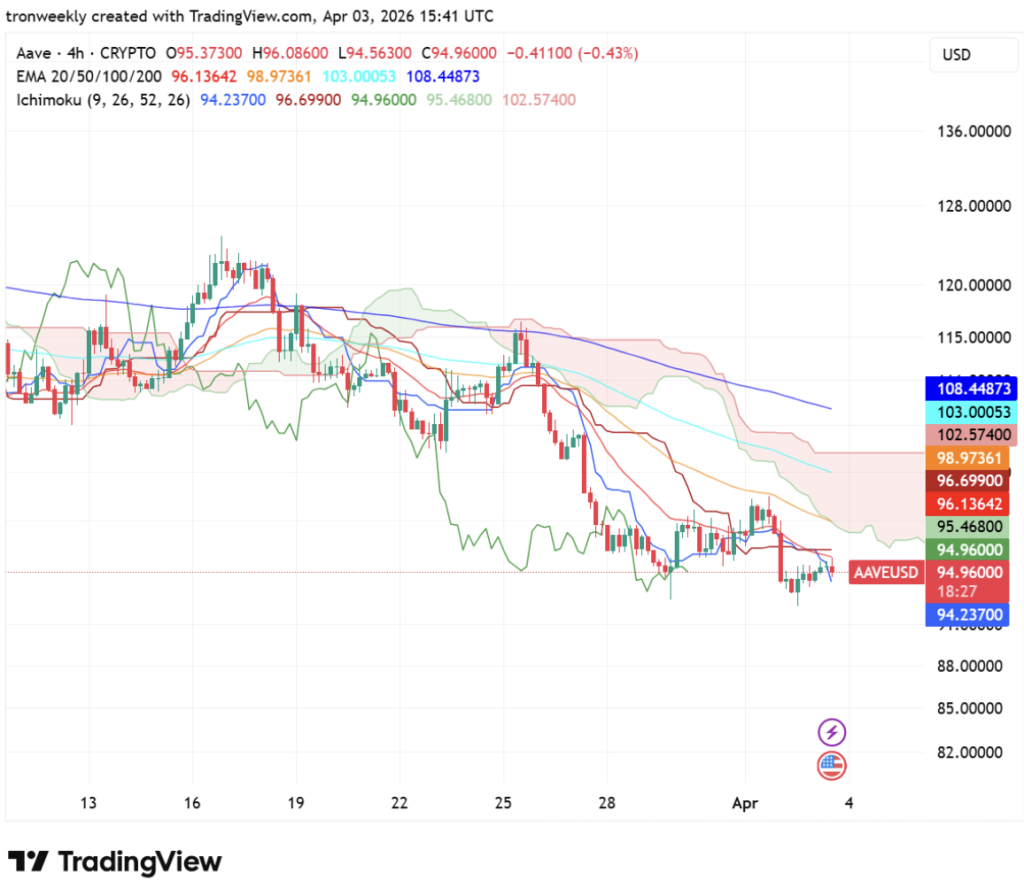
- Price remains bearish, trading below key moving averages and resistance levels
- Indicators suggest weak momentum, with any upside likely limited without a breakout
Aave is making quiet but meaningful progress on Mantle, and the numbers are starting to reflect that. Deposits on the network are now pushing toward $1.5 billion, which… for a Layer 2 ecosystem, is not small at all.
This kind of growth usually signals confidence. Users, both retail and institutional, are moving capital where they see efficiency — lower fees, faster execution, and better yield opportunities. Mantle seems to be ticking those boxes right now, which explains the steady inflows.
There’s also a bigger trend here. More capital is shifting toward Layer 2 solutions, and protocols like Aave are following that liquidity, expanding where demand is already building.
Competition Heats Up Across Layer 2 Ecosystems
Mantle’s rise isn’t happening in isolation either. It’s part of a broader push among modular blockchain ecosystems to attract users and, more importantly, liquidity. And liquidity, as always in DeFi, is what really matters.
Aave’s expansion into Mantle shows how cross-chain strategies are becoming the norm. Users aren’t sticking to one chain anymore — they’re moving capital across networks, chasing efficiency and opportunity.
If this momentum continues, Mantle could position itself as a serious hub for lending and liquidity in 2026. Not guaranteed, of course… but it’s starting to look plausible.
Price Action Tells a Different Story
Here’s where things get a bit disconnected. Despite strong on-chain growth, AAVE’s price doesn’t look particularly strong right now.
Trading around $94.96, the token is still sitting below key exponential moving averages, which keeps the broader trend leaning bearish. The EMA 200 is acting as resistance above, while the EMA 20 is pressing down from the near term.
Price is hovering around the $92 support zone, but the structure overall feels heavy. Lower highs, lower lows — it’s not exactly the kind of pattern that signals strength.
Indicators Suggest Weak Momentum, Not Reversal
Looking at the Ichimoku Cloud, AAVE is still trading below the Kumo, which generally confirms bearish conditions. The cloud itself is thickening and turning red, suggesting that downward pressure could persist for a while longer.
Momentum indicators aren’t offering much relief either. The RSI is sitting around 41.87 — not oversold, but definitely leaning weak. It’s below its signal line, and more importantly, it’s not showing strong signs of turning upward.
MACD, interestingly, has formed a small bullish crossover… but it’s happening below the zero line. That usually points to a short-term bounce rather than a full trend reversal. The histogram has turned green, yes, but the broader momentum still hasn’t flipped.
Growth Strong, But Price Needs Confirmation
So there’s a bit of a split narrative here. On one side, Aave is expanding, attracting liquidity, and strengthening its position in the DeFi ecosystem. On the other, price action hasn’t caught up — at least not yet.
For a real shift to happen, AAVE would need to reclaim levels above $96.70 and then push toward $102.57. Until that happens, rallies might just be temporary relief rather than something more sustained.
For now, it’s a case of strong fundamentals meeting weak technicals. And markets don’t always resolve that quickly — sometimes they take their time, longer than expected.
Disclaimer: BlockNews provides independent reporting on crypto, blockchain, and digital finance. All content is for informational purposes only and does not constitute financial advice. Readers should do their own research before making investment decisions. Some articles may use AI tools to assist in drafting, but every piece is reviewed and edited by our editorial team of experienced crypto writers and analysts before publication.







 English (US) ·