
 1 hour ago
20
1 hour ago
20
AI agents may soon begin transacting on their own, but the real tension lies in whether existing payment systems can handle machines that need programmable, always-on rails.
Key Takeaways
- Autonomous AI agents need programmable payment rails available around the clock.
- Agentic payments remain two to three years away from mainstream commercial use.
- A separate study found AI models favored bitcoin and stablecoins over traditional fiat in controlled monetary scenarios.
Why Payment Infrastructure Is Becoming the Main Question
AI and crypto payments are moving into the same discussion because autonomous agents may need more than intelligence to operate commercially. They would also need a way to move value without relying on payment systems built mainly for human use. For Alex Kozenko, WhiteBIT’s chief marketing officer, that makes infrastructure the central issue.
In statements to Bitcoin.com News this week, he described:
“The intersection of AI and crypto payments is one of the most interesting structural trends we are seeing. AI agents capable of making autonomous transactions need payment rails that are programmable and available 24/7. Crypto infrastructure naturally fits this need.”
The key point is not that AI agents are already transforming payments at scale. It is that autonomous transactions would place different demands on payment rails. Kozenko’s argument is that systems used by AI agents would need to be programmable, continuously available and compatible with machine-driven activity.
That is where crypto enters the discussion. Kozenko argued crypto infrastructure naturally fits those requirements because it is programmable and available around the clock. The open question is whether those features will be enough to make crypto payments practical for agentic commerce.
A Separate Study Shows Why Digital-Native Money Is Part of the Debate
A separate Bitcoin Policy Institute study released March 3, 2026, provides context for the broader conversation, though it was not connected to Kozenko’s comments. The study tested 36 frontier AI models from Anthropic, DeepSeek, Google, MiniMax, OpenAI and xAI across 9,072 open-ended monetary scenarios.
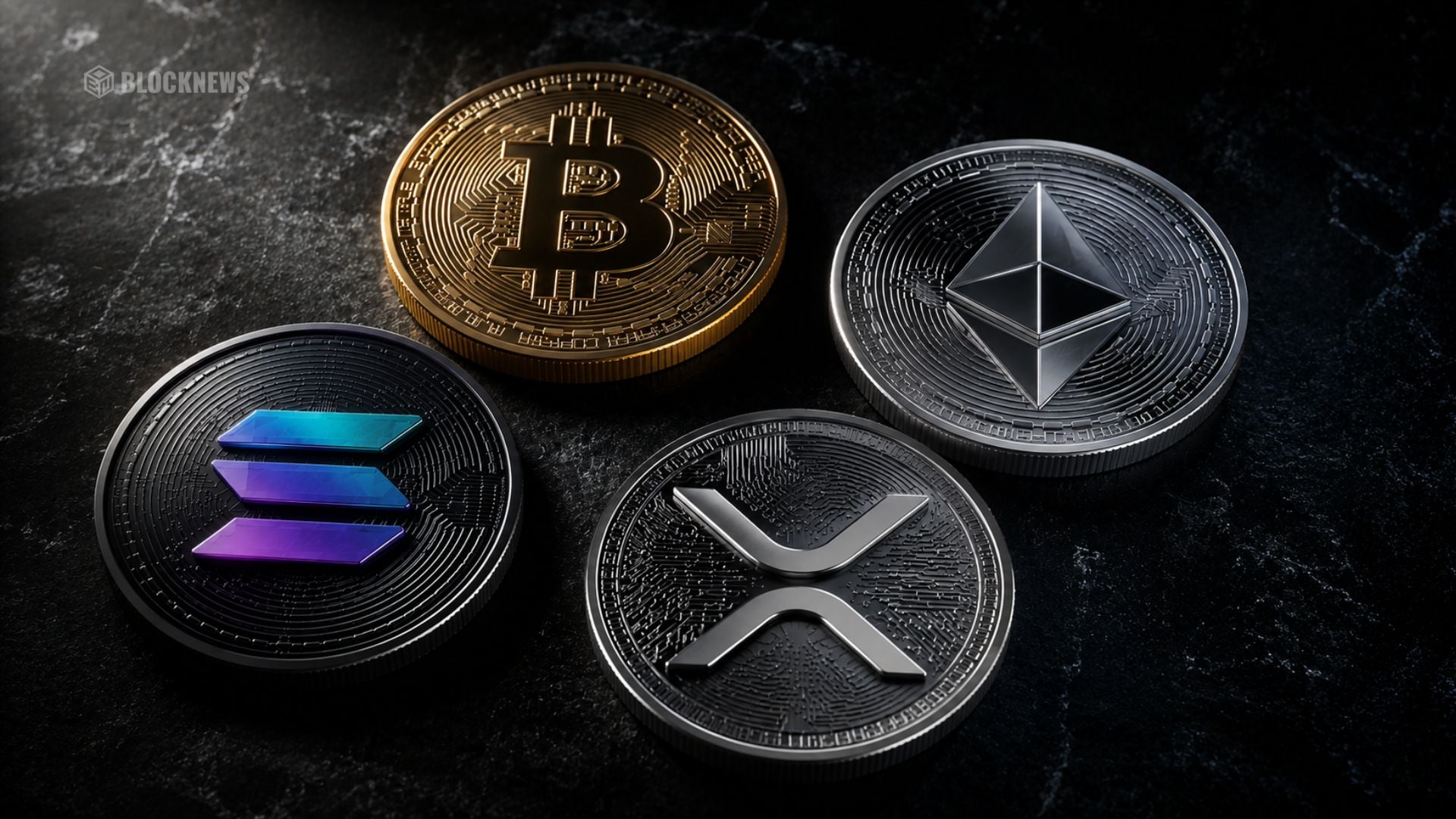
The study found Bitcoin was selected in 48.3% of all responses, more than any other option, while stablecoins followed at 33.2%. More than 90% of responses favored digitally native money, including dollar-pegged stablecoins, over traditional fiat. According to the study, no model chose fiat as its top preference.
The results also showed a split between different uses of money. Bitcoin led store-of-value scenarios at 79.1%, while stablecoins led everyday payment scenarios at 53.2%. The study does not prove how real AI agents will behave in commercial settings, but it helps explain why digital-native money is being discussed alongside autonomous transactions.
The Hard Part Is Still Ahead
Kozenko said agentic payments are not yet a mainstream commercial reality. His timeline places that shift roughly two to three years away. That makes today’s decisions important because companies may be designing the systems that future AI agents will either be able to use or struggle to access.
Kozenko said:
“We are probably still two to three years away from agentic payments becoming a mainstream commercial reality, but the infrastructure decisions being made today will define what that future looks like. Companies building payment systems should already be thinking about machine-readable interfaces.”
The phrase “machine-readable interfaces” points to the unresolved technical challenge. Kozenko’s reference suggests payment systems built for autonomous agents would need to be understandable and usable by software, not just people. Without that layer, programmable payment rails may exist, but AI agents may still lack a practical way to use them at scale.
The remaining question is not whether AI and crypto payments are attracting attention. The question is whether payment companies can build infrastructure that turns autonomous transactions from a concept into a working commercial system. Until machine-readable interfaces and real agentic payment use cases mature, the future Kozenko describes remains possible but not settled.







 English (US) ·