
 1 hour ago
15
1 hour ago
15
Apple has done something it rarely does voluntarily: raised prices on an existing product line. The Mac Mini base model now starts at $799, up from $599, a roughly 33% jump that went into effect around May 1, 2026.
The memory chip squeeze
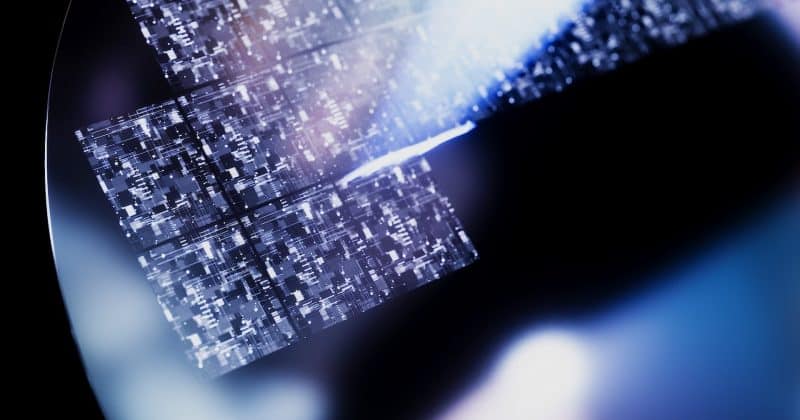
Memory prices have surged by 50-70% as chip manufacturers prioritize supplying data centers over consumer electronics makers. When OpenAI and Google and Meta are all competing for the same pool of memory chips, the company making your laptop gets squeezed.
Apple CEO Tim Cook flagged this coming storm during the company’s January 2026 earnings call, projecting significant increases in memory chip prices and warning that margins would feel the pressure. That warning materialized as an actual price hike just a few months later.
To soften the blow, Apple doubled the storage on the new Mac Mini base model from 256GB to 512GB. A nice gesture, though consumers are still paying $200 more regardless.
The Wall Street Journal reported on June 17, 2026, that Cook reiterated price hikes are a direct consequence of rising memory costs linked to AI demand. This wasn’t framed as a one-time adjustment. It was framed as the new reality.
Apple’s AI spending spree
Apple isn’t just a victim of the AI boom. It’s an active participant. The company’s R&D spending hit 10.3% of revenue in the March 2026 quarter, reflecting its heavy investments in AI capabilities.
What this means for investors and the broader market
The memory chip manufacturers themselves, companies like Samsung, SK Hynix, and Micron, are the obvious beneficiaries of this dynamic. Their margins expand as prices climb, even as their largest customers grumble about it.
Industry analysts suggest that if these shortages continue into late 2026, similar price adjustments may affect future releases of Apple’s flagship products, such as the iPhone and Mac lines.
Disclosure: This article was edited by Editorial Team. For more information on how we create and review content, see our Editorial Policy.





 English (US) ·