
 1 hour ago
20
1 hour ago
20
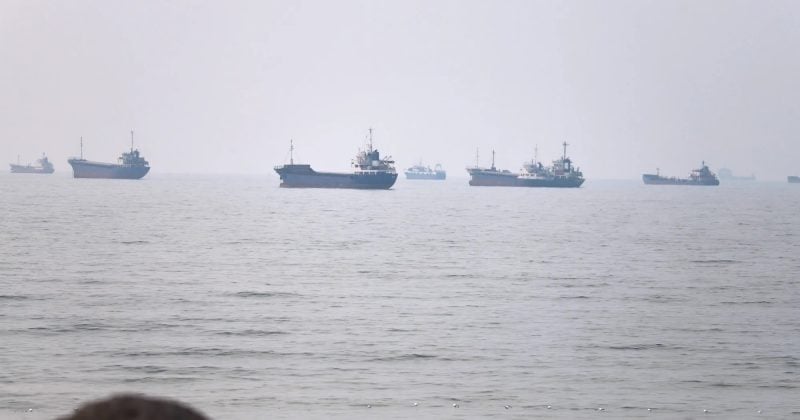
Asian refiners are rerouting Saudi crude oil shipments through the Suez Canal due to threats from Houthi forces in the Red Sea. These threats have prompted a shift from the traditional route through the Bab al-Mandab strait, a vital corridor for Middle Eastern oil shipments. The Suez Canal, along with the SUMED pipeline, offers an alternative route that avoids the conflict-prone area, though at potentially higher costs. This development underscores ongoing vulnerabilities in global oil supply chains, with market dynamics responding to perceived risks and potential disruptions in crude availability.
The current pricing in WTI Crude Oil markets appears to reflect concerns over supply disruptions, with the highest probability sub-market reaching a YES at 43.2% for WTI hitting $90 in July 2026. This suggests that market participants may view the likelihood of significant price increases as consistent with the ongoing geopolitical tensions and route adjustments. The rerouting decision by Asian refiners highlights the strategic importance of the Suez Canal in mitigating supply chain risks for crude oil.
The ongoing Red Sea crisis and Houthi threats may continue to impact market perceptions and pricing, as refiners and shipping companies adjust their strategies to ensure secure crude supplies. The potential for further price volatility may be linked to developments in the geopolitical landscape and any additional disruptions to Middle Eastern oil routes.
Key Takeaways
- Market behavior suggests a significant focus on the potential impact of Houthi threats on Saudi oil shipments.
- Pricing in WTI markets appears supportive of scenarios where crude oil prices could rise due to perceived supply chain disruptions.
- The Suez Canal’s strategic role in global oil logistics is reaffirmed by current refiners’ decisions to reroute shipments.
What to Watch
Observers should monitor any escalation in Houthi threats or military activities in the Red Sea region, as these could further influence oil market pricing. Developments involving other key transit points, such as the Strait of Hormuz, may also impact market dynamics. Additionally, statements or actions from major oil producers, including OPEC+, regarding production adjustments could provide further indications of future price movements.
Get live prediction-market analysis, powered by Vera. Sign up for Vera.
Disclosure: This article was edited by Estefano Gomez. For more information on how we create and review content, see our Editorial Policy.







 English (US) ·