
 1 hour ago
33
1 hour ago
33
Asus and Poesis.ai are reportedly joining forces to build autonomous trading agents, combining Asus’s hardware muscle with Poesis’s AI-driven financial modeling. The systems would leverage Nvidia technology to power agents that can analyze, decide, and execute trades without a human touching the wheel.
What Poesis brings to the table
Poesis.ai is an AI-driven investment firm founded by Alex Popa with a fairly ambitious mission: building what it calls a “world model for finance.” Think of it as training an AI not just to read market data, but to understand how markets actually work, then letting it make decisions in real time.
The firm’s chief scientist, Charles Elkan, previously held roles at Goldman Sachs and Amazon.
Poesis’s approach centers on modular AI systems designed specifically for financial applications. Rather than one monolithic model trying to do everything, the architecture breaks trading intelligence into specialized components that can be updated and improved independently. The goal is a self-improving system that gets better at live market operations over time, not just backtesting against historical data.
Asus’s AI infrastructure push
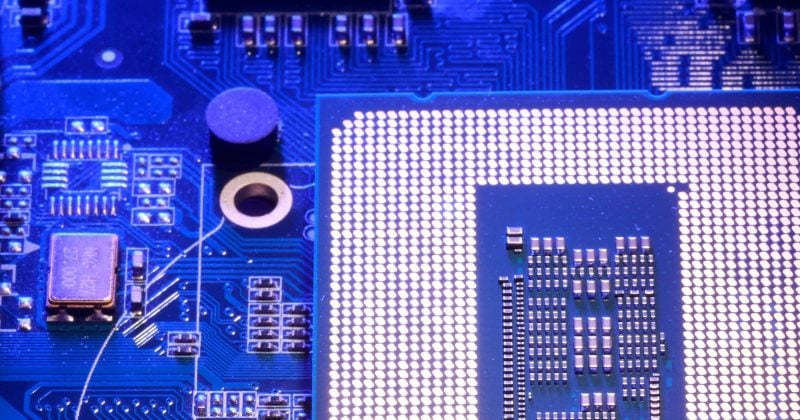
On the hardware side, Asus has been aggressively expanding its AI infrastructure portfolio through a deepening collaboration with Nvidia. The company has developed multiple server platforms optimized for AI workloads, including the XA P2N-E2 system built on Nvidia’s Vera CPUs.
Nvidia itself has been pushing hard into agentic AI for finance. At GTC 2026, the chipmaker demonstrated multi-agent AI trading systems that integrate various data sources, including sentiment analysis, for real-time market strategy execution. The demo showed multiple AI agents working in concert: one monitoring news feeds, another tracking price movements, a third managing risk parameters, all coordinating to execute trades.
What traders should watch
There’s also the regulatory dimension. Financial regulators have been increasingly focused on AI-driven trading systems, particularly around questions of accountability when an autonomous agent makes a bad trade. Who’s responsible when the self-driving trader crashes: the hardware maker, the software developer, or the firm that deployed it?
Disclosure: This article was edited by Editorial Team. For more information on how we create and review content, see our Editorial Policy.




 English (US) ·