
 1 hour ago
15
1 hour ago
15
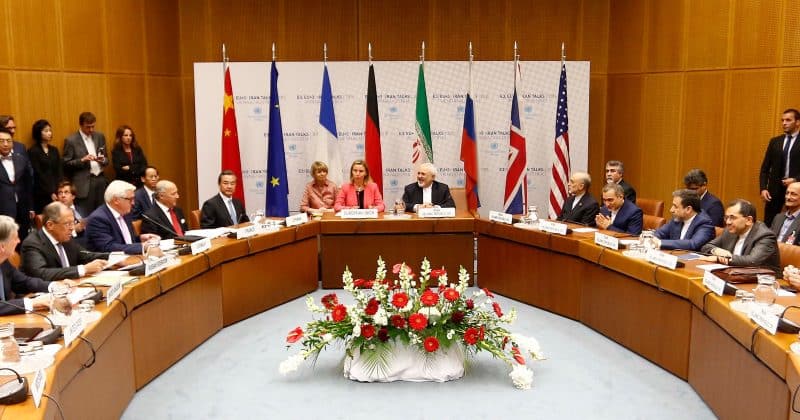
For the first time since mid-April, the average American is paying less than $4 for a gallon of regular gasoline. The catalyst: a peace deal between the US and Iran that includes the reopening of the Strait of Hormuz to commercial shipping.
The national average dipped to roughly $4.065 per gallon as of June 15, according to GasBuddy and AAA. That’s a meaningful retreat from over $4.50 in May, when the crisis-fueled premium on every barrel of oil was still very much priced in at the pump.
What happened, and why oil markets moved so fast
The Strait of Hormuz, a narrow waterway between Iran and Oman, handles approximately 20-25% of the world’s seaborne oil trade. When Iran initiated a blockade on February 28, the chokepoint effectively became a tourniquet on global supply.
Brent crude had pushed above $100 per barrel in prior months as the blockade strangled supply lines and rattled markets. But the announcement of the peace deal sent crude into free fall. Brent and WTI both shed up to 11%, with Brent settling around $83.85 per barrel by mid-June.
Analysts now predict regular gas prices could reach between $3.65 and $3.85 per gallon within the coming weeks, assuming no new disruptions. Full normalization of shipping and supply infrastructure is expected to take weeks to months. Tanker routes need to be re-established, port logistics need to ramp back up, and refineries that adjusted to constrained inputs need time to recalibrate.
Iran’s Bitcoin gambit and the crypto angle
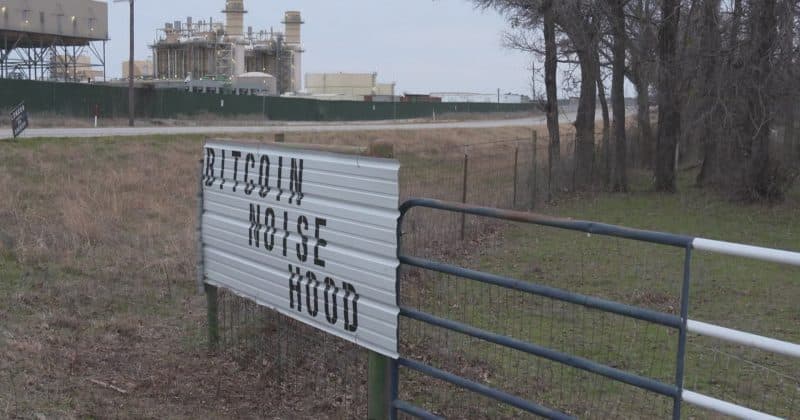
During the earlier stages of the conflict in April, Iran proposed accepting Bitcoin and other digital currencies for tanker transit tolls through the Strait. The idea was straightforward: use crypto to sidestep the US-led sanctions regime that had been tightened in response to the blockade.
Bitcoin prices reacted positively to the June peace deal announcement. When fear recedes, capital flows back into higher-beta plays.
What this means for investors
For traditional energy investors, the question is whether crude at $83 represents a new floor or just a waypoint on the path to further declines. The answer depends largely on how quickly physical supply normalizes. If logistics bottlenecks persist, crude could find support at current levels even as futures markets price in optimism.
Investors should watch two things closely. First, the pace of actual supply recovery through the Strait. If shipping volumes return to pre-blockade levels within weeks rather than months, the $3.65-$3.85 gas price target becomes very achievable. Second, whether any formal crypto-based payment mechanisms emerge from future geopolitical negotiations.
Disclosure: This article was edited by Editorial Team. For more information on how we create and review content, see our Editorial Policy.







 English (US) ·