
 1 hour ago
16
1 hour ago
16
Bahrain’s Defence Force successfully intercepted and destroyed several Iranian missiles and drones targeting the kingdom on July 12-13, marking yet another chapter in a conflict that has kept the Persian Gulf on edge since late February. The aerial attacks, which triggered air-raid sirens across the island nation, represent a significant escalation in hostilities that now directly threatens one of the most strategically important military footprints in the Middle East.
Bahrain is home to the US Fifth Fleet headquarters, which makes every incoming missile a potential flashpoint for a much wider conflict.
The scope of Iran’s aerial campaign
By early April 2026, the BDF had already recorded at least 188 intercepted missiles and 468 drones since hostilities escalated on February 28. The July attacks added to that tally, with additional successful interceptions reported on July 14 following the initial barrage.
The BDF characterized Iran’s actions as part of a “systematic hostile approach,” a phrase that suggests Bahrain views these strikes not as isolated provocations but as a sustained campaign. Reports have linked several of these attacks to efforts targeting US Navy assets stationed in the kingdom.
The sheer volume of incoming threats—more than 650 combined missiles and drones through early April alone—underscores the scale of resources required to maintain that defense.
Why crypto traders should care about Gulf missiles
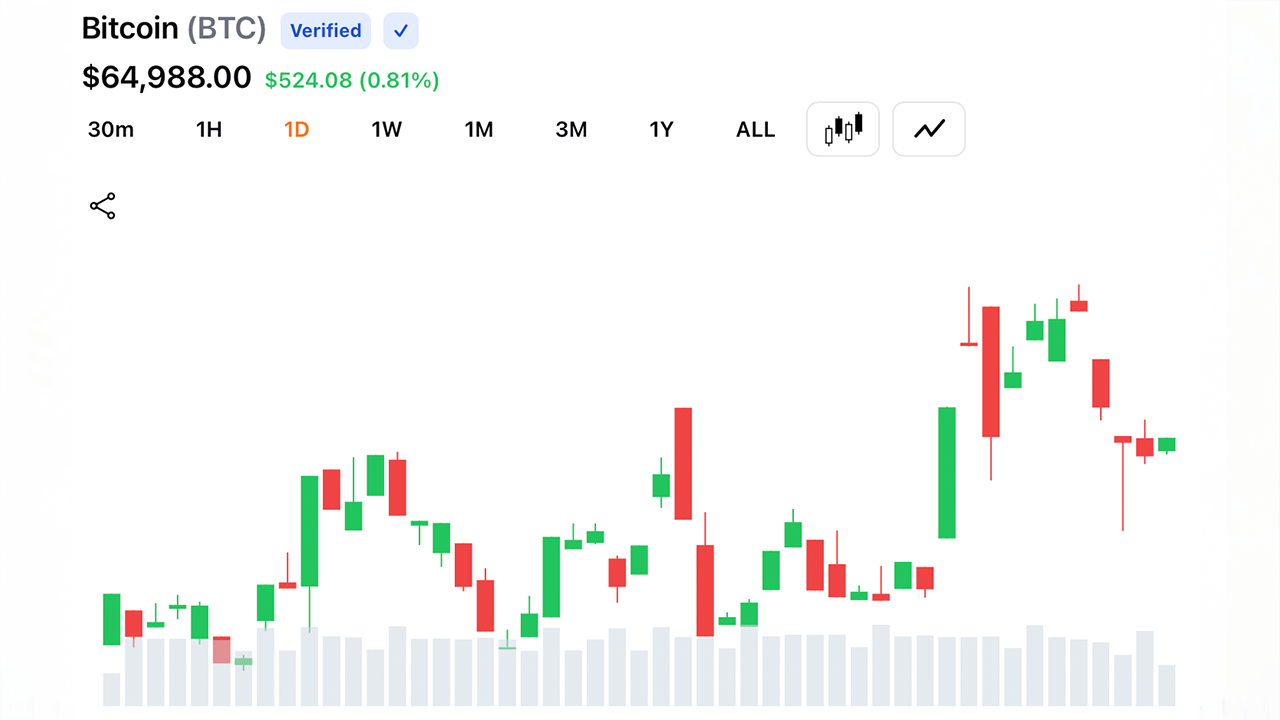
Analysts have flagged potential downside risks for Bitcoin amid military conflicts targeting US assets in the region. The Gulf produces roughly a fifth of the world’s oil supply, and any disruption to shipping lanes or production infrastructure sends shockwaves through every asset class.
The broader strategic picture
What’s changed since February 2026 is the brazenness and frequency of the attacks. Hundreds of missiles and drones launched at a sovereign nation hosting a major US military base would have been unthinkable escalation just a few years ago.
The Fifth Fleet’s mission includes protecting maritime commerce through the Strait of Hormuz, through which roughly 20% of globally traded oil passes.
What investors should watch
Traders should monitor three things closely. First, any escalation that directly impacts oil production or shipping through the Strait of Hormuz would be a category-level event for all markets. Second, watch for any US military response beyond defensive interceptions, because offensive operations would dramatically change the conflict’s trajectory and market implications. Third, pay attention to Bitcoin’s correlation with traditional risk assets during these episodes.
Disclosure: This article was edited by Editorial Team. For more information on how we create and review content, see our Editorial Policy.






 English (US) ·