
 59 minutes ago
12
59 minutes ago
12
One in four unemployed Canadians has been looking for work for at least six months. That’s not a pandemic stat. It’s happening right now.
Long-term unemployment in Canada hit 25.4% in January 2026, meaning more than a quarter of all unemployed individuals spent 27 weeks or more searching for a job. That’s the highest rate outside of pandemic years since May 1997. The average duration of unemployment climbed to 22.7 weeks, a level not seen since late 1999.
The numbers behind the slowdown
Canada’s overall unemployment rate rose to 6.9% in April 2026, up from 6.7% in March. The country lost roughly 18,000 jobs in April alone. Over the first four months of 2026, the total damage comes to approximately 112,000 jobs lost.
The Bank of Canada’s April 2026 Monetary Policy Report flagged significant labor market slack, noting that unemployment has hovered in the 6.5% to 7% range for about 12 months straight.
Youth unemployment is where things get particularly grim. The rate for young Canadians surged to 14.3% in April, while core-age unemployment held steady at 6%.
What’s driving the deterioration
The Bank of Canada describes a skills mismatch paired with declining labor force participation. US tariffs have created headwinds for sectors that depend on cross-border commerce. When exporters face margin compression from tariffs, hiring is often the first thing to slow down.
Hiring processes have also become slower across the board, which stretches out the average unemployment duration even for workers who ultimately find jobs. That 22.7-week average isn’t just about people who can’t find work. It also reflects a labor market where even successful job searches take meaningfully longer than they used to.
What this means for investors
The Bank of Canada’s April 2026 Monetary Policy Report noted unemployment has remained in the 6.5% to 7% range for a full year. The 14.3% youth unemployment rate represents a significant drag on future productivity, not just current consumption.
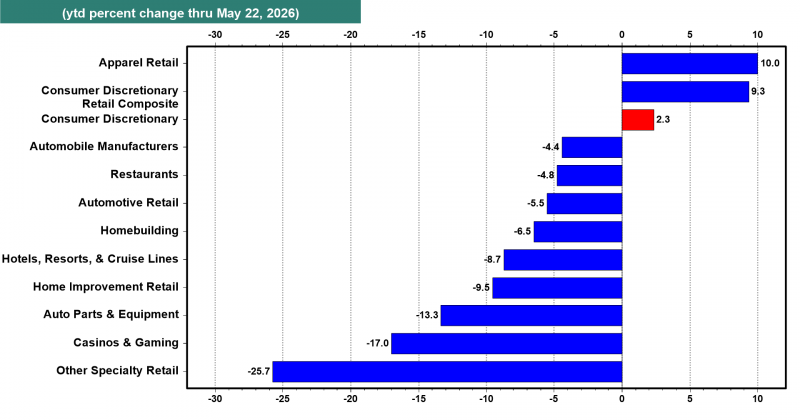
For Canadian equities, sectors tied to consumer discretionary spending face obvious pressure. The 112,000 jobs lost in the first four months of 2026 translate directly into reduced household income across the economy.
The Bank of Canada is navigating inflationary pressures from tariffs alongside persistent labor market slack, creating a tension between supporting employment and containing prices.
Disclosure: This article was edited by Editorial Team. For more information on how we create and review content, see our Editorial Policy.








 English (US) ·