
 16 hours ago
19
16 hours ago
19
South Korea’s central bank just blinked first. The Bank of Korea raised its base rate by 25 basis points to 2.75% at its July 16 Monetary Policy Board meeting, marking the first rate increase the institution has delivered in roughly three years.
Why now, and why it matters
Inflation is the short answer. South Korea’s Consumer Price Index hit 3.2% in June 2026, which is the fourth consecutive month it has overshot the BOK’s stated target of 2%.
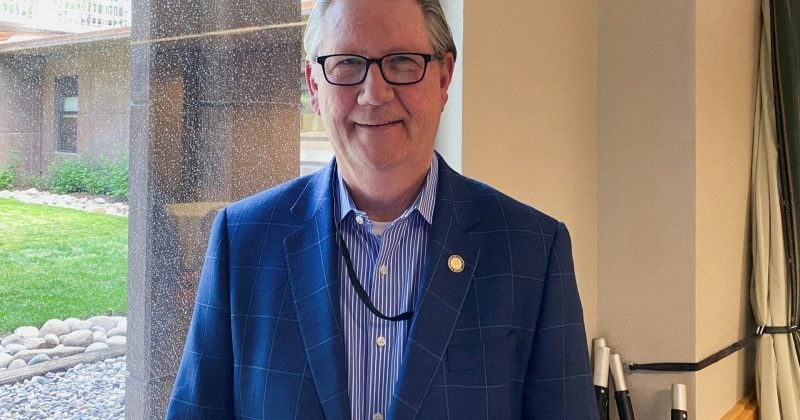
Governor Shin Hyun-song, who took office in 2026, has leaned into a noticeably more hawkish tone since stepping into the role. The May 2026 meeting offered an early preview of the internal tension, with two dissenting board members pushing for an immediate hike while the majority opted to hold at 2.5%. That minority view just became official policy.
GDP growth projections are tracking at 2.6%. A majority of economists surveyed by Reuters now expect a further increase to 3% before the end of 2026. The BOK itself has left the door open for additional moves, framing any future decisions as dependent on incoming economic data.
South Korea’s crypto market has a front-row seat
South Korea is home to one of the largest retail crypto trading markets in the world. Higher interest rates raise the cost of borrowing and make low-risk, interest-bearing assets more attractive relative to speculative ones. South Korea’s retail crypto participants are particularly sensitive to this dynamic because many are active traders rather than long-term holders.
What investors should be watching
BOK projections suggest inflation averaging around 3% in the second half of 2026. If that forecast holds, the case for a follow-on hike becomes difficult to argue against.
The gap between 2.75% and the economists’ year-end forecast of 3% is exactly one more 25 basis point decision away from closing.
Disclosure: This article was edited by Editorial Team. For more information on how we create and review content, see our Editorial Policy.





 English (US) ·