
 1 hour ago
15
1 hour ago
15
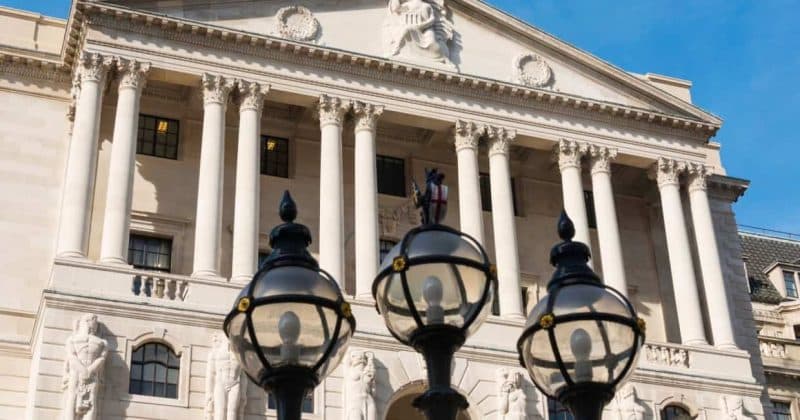
The Bank for International Settlements, in its Annual Economic Report released June 23, warned that dollar-pegged stablecoins like Tether’s USDT and Circle’s USDC are accelerating what it calls “stablecoin dollarization.” When financial stress hits emerging markets, people rush into these tokens as a fast lane to US dollar exposure. The result isn’t a new monetary paradigm. It’s the old one, turbocharged.
A $320 billion reinforcement of the status quo
Over 99% of the roughly $320 billion stablecoin market, as of end-May 2026, is tied to the US dollar. USDT and USDC dominate that figure. An earlier BIS research paper from May 5 pegged dollar dominance in stablecoin value at approximately 98%.
The BIS report doesn’t frame this as a neutral observation. It frames it as a structural risk, particularly for emerging market and developing economies. When residents of those countries can swap local currency for dollar-denominated stablecoins in seconds, it creates what amounts to a digital bank run on their own monetary systems during moments of stress.
The report also took a swipe at the fundamental design of stablecoins themselves. The BIS argued they fail to meet what it considers core monetary properties: singleness (one dollar should always equal one dollar, regardless of who issued the token), elasticity (the money supply should expand and contract with economic needs), interoperability (different forms of money should work seamlessly together), and integrity (resistance to fraud and illicit use).
The BIS comparison was pointed. It likened stablecoins more to shares in an exchange-traded fund than to actual money.
The Genius Act complicates things further
The US Genius Act, passed in 2025, actively encourages the growth of dollar-pegged stablecoins as a tool to extend USD dominance globally.
The BIS report modeled what happens if stablecoins scale significantly beyond their current size. Even at $1 to $3 trillion in total issuance, the net output effects from stablecoin activity may be “modestly negative,” according to the analysis.
Part of the mechanism involves bank funding costs. As more deposits flow out of traditional banking systems and into stablecoin issuers (who park reserves in US Treasuries and money market instruments), banks may need to offer higher rates to compete for deposits. That raises lending costs, which tightens credit, which slows economic activity.
What this means for investors
For emerging market assets, the dollarization concern is real and measurable. Countries like Turkey, Argentina, and Nigeria have already seen significant stablecoin adoption as citizens seek dollar exposure outside formal banking channels.
For the broader crypto market, the BIS framing of stablecoins as “not real money” could influence how regulators treat them in banking and payments contexts. If stablecoins are legally categorized more like ETF shares than like deposits or cash equivalents, that changes the capital requirements, consumer protection rules, and systemic risk frameworks that apply to them.
Disclosure: This article was edited by Editorial Team. For more information on how we create and review content, see our Editorial Policy.







 English (US) ·