
 1 month ago
49
1 month ago
49
After hitting a peak of $82,458 late Sunday, bitcoin spent the afternoon of Monday testing resistance near $82,000.
Key Takeaways
- Bitcoin peaked at $82,458 on Sunday before retreating and consolidating under $82,000.
- Nearly $135 million in bitcoin positions were liquidated as Trump’s rejection of Iran’s deal flattened markets.
- Aramco CEO Amin Nasser warns that a blocked Strait of Hormuz could delay oil normalization until 2027.
Bitcoin Battles Resistance Above $81,000
Bitcoin carried the momentum that saw it reclaim the $80,000 threshold and reach a peak of $82,458 late Sunday into the new working week, holding above $80,500 for much of Monday morning. Data show that bitcoin began Monday, May 11, at just below $80,700 and steadily rose before meeting resistance at $81,250 at 9:20 a.m. EDT.
The top cryptocurrency then erased all morning session gains in just over an hour, plunging to $80,536. However, this price action was followed by another sharp ascent that saw bitcoin peak above $81,840 around 12:20 p.m. EDT. At the time of writing (1:44 p.m. EDT), bitcoin was still above $81,500 and appeared poised to test the $82,000 resistance again.
Despite the volatility, bitcoin was up 0.3% over 24 hours and by less than 2% over seven days. The marginal increase saw its market capitalization jump to approximately $1.64 trillion. Over 24 hours, nearly $135 million in leveraged positions on bitcoin were liquidated, with long bets accounting for $88 million.
Meanwhile, bitcoin’s marginal increase mirrored that of key Wall Street equities, which were mostly flat after closing Friday with big gains. Markets were seemingly weighed down by geopolitical tensions in the Middle East, which appeared to rise after President Donald Trump described Iran’s latest peace agreement proposal as “unacceptable.” The US President’s remarks set the stage for another jittery week for global markets, dashing hopes for a negotiated settlement.
Oil Supply Chains and the Hormuz Threat
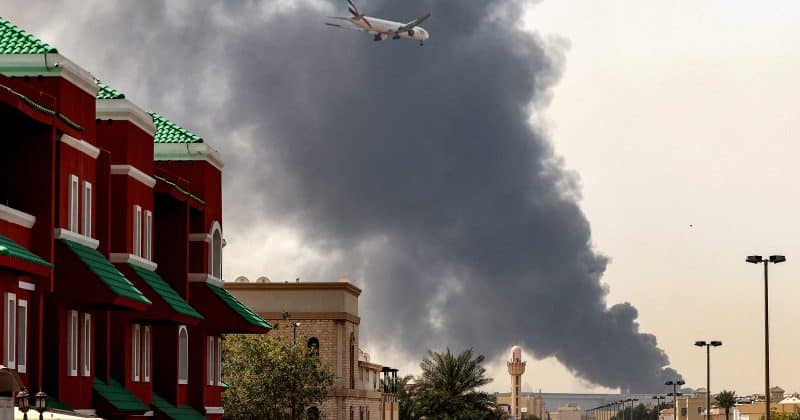
While Trump’s rejection of the Iranian proposal and subsequent social media posts saw Brent crude oil prices tap $105 per barrel, the most chilling comment on the impact of the oil supply chain disruption came from Aramco CEO Amin Nasser. Speaking to investors on the company’s first-quarter earnings call, Nasser warned that oil markets are unlikely to normalize this year should traffic via the Strait of Hormuz remain blocked.
“If the Strait of Hormuz opens today, it will still take months for the market to rebalance, and if its opening is delayed by a few more weeks, then normalization will last into 2027,” Nasser said.
A protracted dislocation within the global oil markets significantly heightens the risk of a systemic global recession. With Washington and Tehran remaining entrenched in opposing geopolitical positions, the specter of a devastating regional escalation looms larger. A regression into kinetic warfare would not only destabilize regional economies for a generation but would also stymie the global path toward prewar stabilization—a destabilizing outcome the Trump administration is aggressively maneuvering to avert.
[bn_article_selector






 English (US) ·