
 1 hour ago
20
1 hour ago
20
Brent crude dropped below $75 per barrel on Tuesday for the first time since before the US-Israeli military campaign against Iran launched on February 28. The global oil benchmark was trading around $74.80 at midday GMT, capping a roughly 4% single-day decline that pushed prices as low as $73.67.
To put that move in context: Brent peaked near $120 per barrel during the height of the conflict. That means oil has shed roughly 38% from its wartime ceiling.
What’s driving the drop
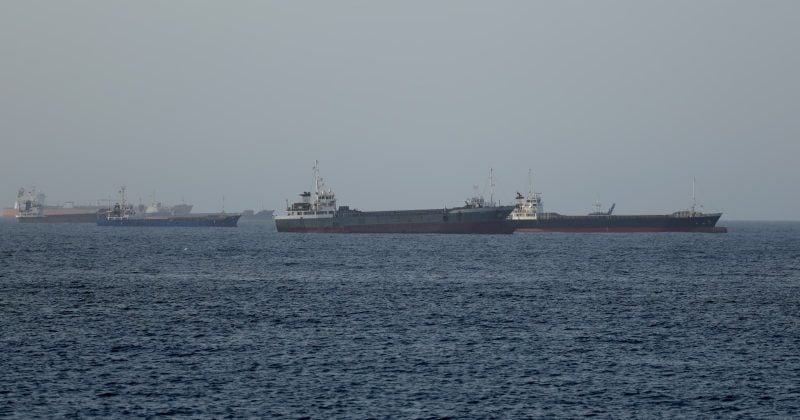
The proximate cause is geopolitical, not geological. A framework peace agreement between the US and Iran, hammered out in mid-June, opened the door for the resumption of tanker traffic through the Strait of Hormuz. That narrow waterway handles a significant share of global oil and gas shipments, and its effective closure during the conflict was the single biggest driver of the price spike.
With vessels moving through the strait again, the supply-crunch premium that had been baked into Brent is unwinding fast.
Why crypto investors should care
When Brent was screaming toward $120, it was pouring gasoline on inflation fears. Higher energy costs ripple through everything, from shipping to manufacturing to the electricity bills that power data centers. Central banks respond to that pressure by keeping rates elevated or hiking further. And higher rates are kryptonite for speculative assets, including digital ones.
The reverse is also true. Falling oil prices relieve inflationary pressure, which gives central banks room to cut rates or at least stop tightening. That creates a more hospitable environment for risk-on trades.
This dynamic played out in real time earlier this month. When news of the US-Iran framework agreement broke around June 15, crypto markets rallied. Traders saw the geopolitical de-escalation, mapped it to lower energy costs, projected softer inflation, and started buying risk assets.
Tokenized energy assets enter the picture
Beyond the macro correlation, there’s a more direct intersection between oil markets and crypto that’s been gaining traction during this year’s volatility: tokenized real-world assets tied to energy commodities.
The wild price swings in crude throughout the conflict created demand for faster, more efficient settlement mechanisms in energy trading. Tokenized RWA projects, which represent physical commodities as digital tokens on blockchain infrastructure, have positioned themselves as a solution. Oil-backed instruments and energy settlement platforms have attracted growing interest from institutional players looking to reduce counterparty risk and speed up transactions.
For investors watching both sides of this trade, watch how central banks respond to the oil decline. If policymakers interpret falling energy costs as sufficient evidence that inflation is cooling, rate cuts become more likely. That would be a significant tailwind for crypto valuations, particularly for Bitcoin, which has historically performed well in the early stages of monetary easing cycles.
Disclosure: This article was edited by Editorial Team. For more information on how we create and review content, see our Editorial Policy.







 English (US) ·