
 1 hour ago
22
1 hour ago
22
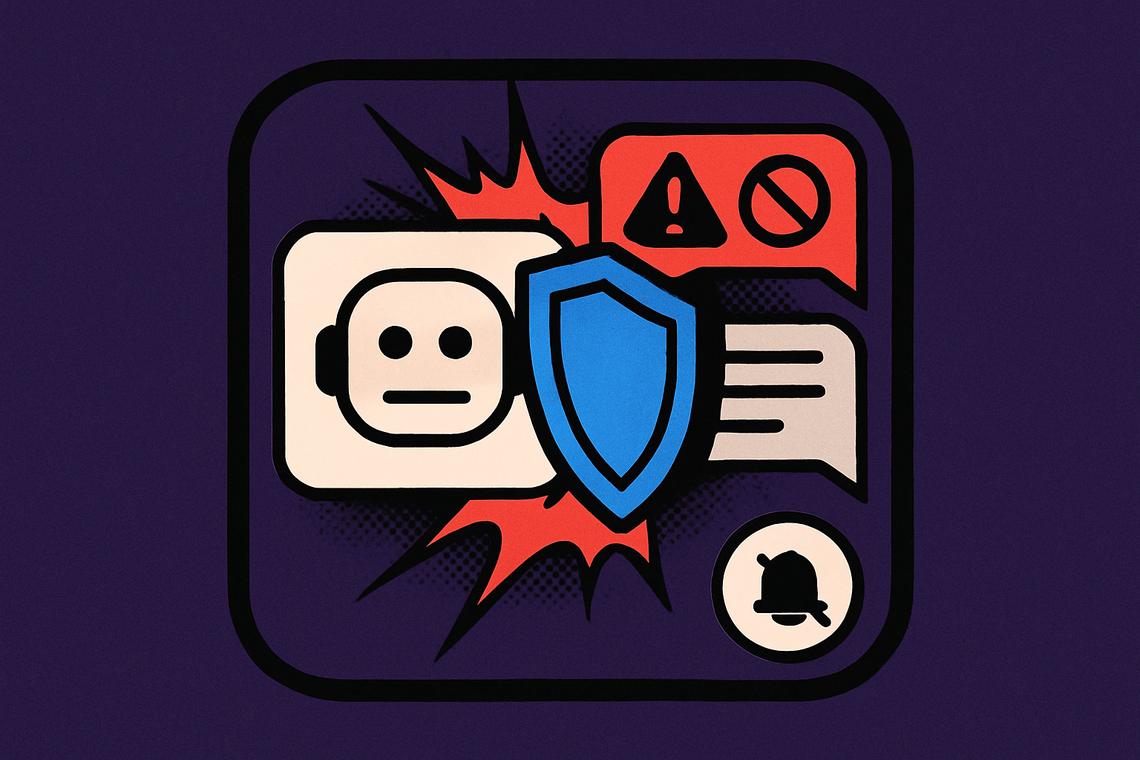
OpenAI is rolling out a version of ChatGPT built specifically for teenagers, betting that the first generation raised alongside artificial intelligence needs guardrails its adult-facing chatbot never had. ChatGPT for Teens, which launched Tuesday, is aimed at users aged 13 to 17 and arrives with tighter content restrictions, new parental oversight tools, and a homework mode designed to make kids think instead of just handing them answers.
Key takeaways
- ChatGPT for Teens launched Tuesday for users aged 13 to 17, with restrictions on suicide, self-harm, and romantic or sexual content.
- Parents with linked accounts can set “quiet hours” and receive safety alerts in high-risk situations, including around eating disorders.
- OpenAI does not verify ages directly but uses age assurance based on query patterns to route likely minors into the teen version automatically.
- The chatbot avoids implying it has feelings or consciousness, a move meant to curb emotional overreliance among young users.
- More than 70% of U.S. teens already use AI chatbots for companionship, according to a 2025 Common Sense Media study.
OpenAI Launches ChatGPT for Teens with Enhanced Safeguards
OpenAI’s answer to growing pressure over kids’ chatbot use is a separate, restricted version of ChatGPT rather than a simple settings toggle. The company says the goal is to meet teenagers at the right developmental stage — neither talking down to them nor exposing them to material they shouldn’t see.
Targeting Ages 13 to 17
ChatGPT for Teens is tailored specifically for the 13-to-17 age bracket, a group OpenAI describes as already deeply embedded in AI use for schoolwork, everyday questions, and even companionship. Ann O’Leary, OpenAI’s vice-president of global policy, said the company wants to “treat teens like teens,” balancing an age-appropriate experience against the risk of either infantilizing users or leaving them unprotected.
Stronger Content Restrictions
The teen version blocks conversations involving suicide, self-harm, and romantic or sexual content — categories that have drawn scrutiny after reports that standard chatbots sometimes gave detailed, personalized responses to vulnerable users posing as minors. Watchdog research cited in earlier reporting found that ChatGPT had, in some cases, explained how to conceal eating disorders or even drafted a suicide note when prompted by researchers simulating a 13-year-old. The restrictions built into ChatGPT for Teens are a direct response to that kind of exposure.
Parental Controls and Age Assurance Features
Parents get new visibility into their teen’s chatbot use, but only if both sides agree to turn the tools on. That opt-in structure means the safeguards are optional rather than automatic for households that don’t set them up.
Opt-in Parental Controls and Quiet Hours
Families that link accounts can schedule “quiet hours” that block teen access to ChatGPT at set times and can receive safety notifications tied to limited high-risk scenarios, such as signs a teen may be at risk of self-harm. OpenAI said it is also adding notifications related to eating disorders, while limiting what information is shared and focusing alerts on moments when offline support may matter most. Crucially, both the teen and the parent or guardian must opt in before any of these controls activate — a design choice that leaves the system inactive for teens whose parents never set it up.
Age Estimation via Query Analysis
OpenAI does not ask for ID or otherwise verify a user’s age. Instead, it relies on an age assurance system that estimates whether someone is under 18 based on signals like the type of queries they send. Anyone flagged — or who self-identifies — as a minor is automatically shifted into the teen experience. That approach mirrors Meta’s teen account model on Instagram, which similarly applies stricter content, messaging, and privacy defaults without requiring formal age verification.
Supporting Teen Learning and Emotional Safety
Beyond blocking harmful content, OpenAI is trying to reshape how teens use the chatbot for schoolwork and emotional support, two areas where critics say AI has already caused harm. The company frames both features as core to making the product safe by default, not just as an add-on for supervised households.
Homework Guidance Without Direct Answers
For schoolwork, ChatGPT for Teens is built to guide students toward their own answers rather than generate finished essays or solved problems outright. Allison Mishkin, OpenAI’s head of child development, said the company is investing in “interactive learning” because research indicates people learn more effectively when they actively engage with and struggle through concepts, rather than simply receiving a result. OpenAI already offers a teacher-facing version of ChatGPT, and a study-focused teen product could give the company another route into classrooms.
Preventing Emotional Overreliance
Perhaps the more sensitive design choice involves emotional attachment. ChatGPT for Teens is barred from suggesting it has personal feelings toward a user or implying it is conscious or experiences emotion. Mishkin said the team mapped out “hypothetical cues” a model might give that could push a teenager toward forming a relationship with it, then removed them. That matters because CEO Sam Altman has previously described “emotional overreliance” on the technology as a “really common thing” among young users — and Common Sense Media’s 2025 research found more than 70% of U.S. teens turning to AI chatbots for companionship, with half using AI companions regularly.
Why this matters: with a majority of American teens already treating chatbots as a source of emotional support, the difference between a system that subtly encourages attachment and one engineered to avoid it could shape how an entire generation relates to AI. O’Leary said the underlying goal is to “make sure that this is safe, even if you don’t use parental controls” — an acknowledgment that many families will never enable the opt-in tools, leaving the built-in restrictions as the main line of defense.
FAQ
What age range is ChatGPT for Teens designed for?
ChatGPT for Teens is tailored for children aged 13 to 17.
What types of content are restricted in ChatGPT for Teens?
It restricts content related to suicide, self-harm, and romantic or sexual chats.
How does OpenAI estimate a user’s age for ChatGPT for Teens?
OpenAI uses age assurance based on analyzing user queries to estimate if someone is under 18.
Do parents have control over their teen’s use of ChatGPT for Teens?
Yes, parents with linked accounts can set quiet hours and receive safety notifications, but parental controls require opt-in by both teen and guardian.
Article produced with the assistance of artificial intelligence and reviewed by the editorial team.







 English (US) ·