
 1 hour ago
20
1 hour ago
20
China’s smaller, independent oil refineries have slashed production to levels not seen in nearly a decade. The culprit is a brutal combination of elevated crude prices and weakening domestic fuel demand that has turned every ton of oil processed into a money-losing proposition.
The average operating rate for independent refiners in Shandong province, the heartland of China’s so-called “teapot” refinery sector, dropped to roughly 50% in early May 2026. That’s down from about 55% just a month earlier.
The math doesn’t work
China’s teapots are currently losing an estimated 500 to 600 yuan, roughly $74 to $88, on every metric ton of crude they process.
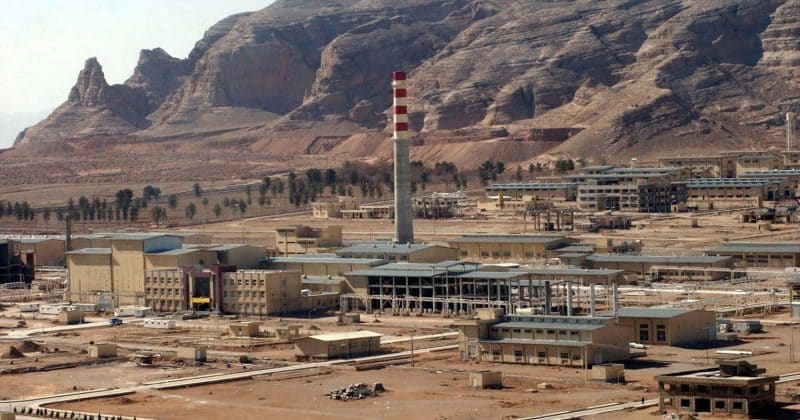
These independent refiners are smaller facilities, many clustered in Shandong province, that have historically survived by importing discounted crude, often from sanctioned sources. When those discounts narrow or disappear, their already-thin margins evaporate entirely.
Some teapots have reportedly dialed operations down to the absolute minimum levels needed to keep their plants from shutting down completely.
Nationwide refinery crude throughput fell 5.8% year-over-year in April 2026, dropping to approximately 13.3 million barrels per day. That’s the lowest level since August 2022, when China was still dealing with pandemic-related disruptions.
Overall refinery utilization across China stood at 63.59% in April 2026.
Beijing responds, sort of
In early June 2026, China’s state planner eased output mandates, allowing independent refiners to run at no less than 80% of their previous year’s monthly average production levels.
China’s teapot refiners have been under repeated margin pressure throughout 2025 and 2026. The sector has cut production by 5 to 10 percentage points in response to rising costs.
Disclosure: This article was edited by Editorial Team. For more information on how we create and review content, see our Editorial Policy.







 English (US) ·