
 1 hour ago
19
1 hour ago
19
China’s Foreign Minister Wang Yi is calling for the immediate reopening of the Strait of Hormuz, the narrow waterway that functions as the world’s most important oil chokepoint. The push comes on the heels of an initial peace agreement between the US and Iran.
While the strait was restricted, Iran reportedly started accepting Bitcoin and Chinese yuan for vessel transit fees.
What happened at the strait
On June 15, 2026, Chinese officials publicly urged the restoration of normal navigation through the Strait of Hormuz. Chinese foreign ministry spokesperson Lin Jian echoed Wang Yi’s position, framing the reopening as essential for global trade stability.
Back in early May 2026, Wang Yi met with Iranian Foreign Minister Abbas Araghchi, pressing for the restoration of normal navigation “as soon as possible.”
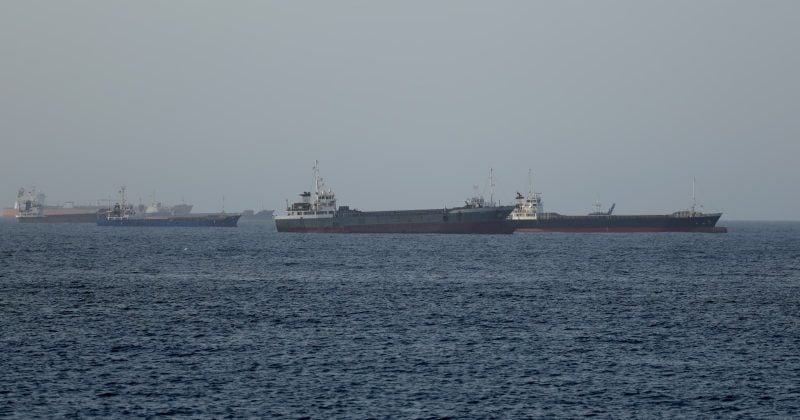
The strait had faced blockades and restrictions during the preceding US-Iran conflict period, which escalated from around mid-March 2026. The Strait of Hormuz handles approximately 20% of the global oil trade daily.
Bitcoin in the shipping lanes
Iran reportedly accepted Bitcoin and yuan payments for transit fees and what amounted to “Hormuz Safe” insurance-style arrangements for vessels passing through. Tolls for safe passage reportedly reached as high as $2 million per vessel in some cases.
China’s mediator play
US officials have reportedly noted China’s influence in helping reopen the waterway without additional restrictions. China is the world’s largest crude oil importer, and a significant portion of those imports transit the strait.
Wang Yi’s May meeting with Araghchi laid the diplomatic groundwork for China’s June 15 public push, with China positioning itself as a regional broker capable of delivering outcomes.
What this means for investors
The reopening of the Strait of Hormuz, if it holds, could meaningfully shift the trajectory of oil prices. During the restriction period, supply disruption fears likely contributed to elevated energy prices.
For crypto markets, Iran’s use of Bitcoin to collect maritime tolls of up to $2 million per vessel represents one of the most concrete examples of cryptocurrency serving a functional role in geopolitical standoffs, validating Bitcoin’s use as a settlement layer in environments where traditional finance is compromised by sanctions.
The yuan component underscores Beijing’s broader strategy of positioning the renminbi as an alternative to the dollar in international trade, particularly in regions where US sanctions create friction.
Disclosure: This article was edited by Editorial Team. For more information on how we create and review content, see our Editorial Policy.







 English (US) ·