
 1 hour ago
24
1 hour ago
24
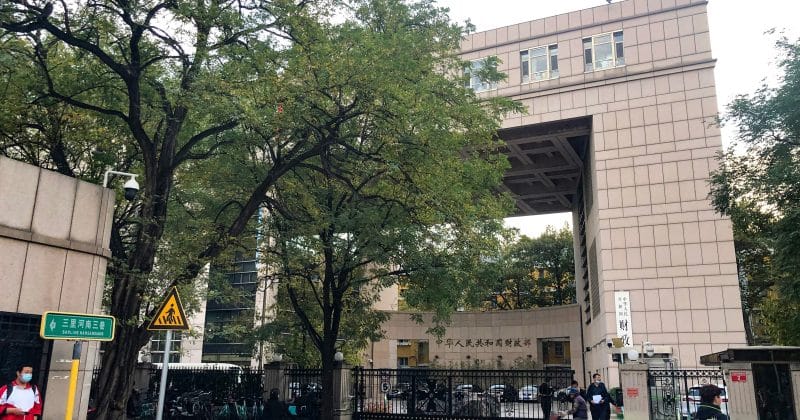
China just reminded the world who controls the on-off switch for critical minerals. On June 22, 2026, Beijing prohibited exports of dual-use items to three US firms: MP Materials, USA Rare Earth, and Aveox, escalating a trade conflict that threatens to redraw the map of global supply chains.
The move came with a familiar warning from Chinese officials: keep pushing protectionist policies, and the world’s supply chains will fracture. It’s a threat that carries weight when you control approximately 60% of the global mined rare earth supply and more than 90% of refining capacity.
The rare earth chokepoint
Rare earths are the unglamorous backbone of modern technology. These 17 metallic elements show up in everything from smartphones and electric vehicle motors to missile guidance systems and wind turbines.
The latest restrictions follow the expiration of a temporary suspension on Chinese export curbs that had been part of a 2025 trade agreement. That suspension was set to lapse in November 2026, but Beijing apparently decided not to wait.
US officials responded by labeling China’s export controls as “economic coercion” and urging allies to pursue diversification strategies.
Beijing’s regulatory foundation
On April 7, 2026, China’s State Council issued Regulations on Industrial and Supply Chain Security, formally codified as Order No. 834. That regulatory framework gave Beijing a structured legal basis for exactly the kind of targeted export restrictions now hitting US rare earth companies.
The pattern has been building for over a year. New export controls on rare earths and magnets were implemented or expanded in 2025, initially as leverage in broader trade negotiations. The temporary suspension that followed was always understood as a pause, not a peace treaty.
What this means for investors
The investment implications cascade through multiple sectors. Any company with rare earth elements deep in its supply chain, and that includes automakers, defense contractors, electronics manufacturers, and renewable energy firms, now faces elevated supply risk. When the dominant supplier starts picking and choosing who gets access, procurement costs don’t just rise. They become unpredictable.
Countries like Australia, Canada, and Brazil have rare earth deposits that have historically been uneconomical to develop compared to Chinese production. The US Department of Defense has already been funding domestic rare earth projects, and pressure to accelerate those efforts just intensified considerably.
Investors should watch the November 2026 deadline closely. That’s when the original trade deal suspension was set to expire, and it will likely serve as the next major inflection point in US-China mineral tensions.
Disclosure: This article was edited by Editorial Team. For more information on how we create and review content, see our Editorial Policy.








 English (US) ·