
 3 hours ago
13
3 hours ago
13
Two geopolitical dominoes fell at roughly the same time, and chip stocks were the primary beneficiary. The Philadelphia Semiconductor Index, better known as the SOX, blew past the 14,000 mark on June 15 for the first time in its history, capping a rally that added roughly $1.15 trillion to the US stock market in a single session.
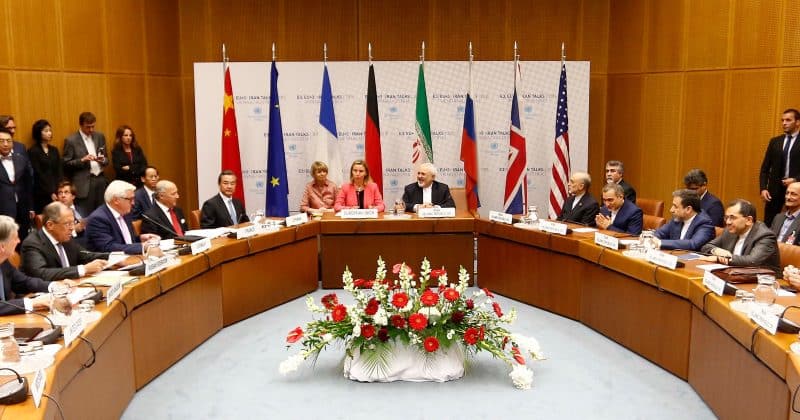
The catalysts: growing optimism around a potential US-Iran interim agreement, and oil prices dropping to three-month lows.
What drove the rally
Earlier in the month, escalating tensions in the Middle East had triggered sharp sell-offs across the semiconductor sector. Then the Trump administration signaled diplomatic progress on Iran. The prospect of an interim deal, or at minimum a ceasefire framework, was enough to flip market sentiment almost overnight. Oil prices retreated to levels not seen in three months, easing inflation fears and removing one of the biggest overhangs on risk assets.
Micron and AMD emerged as standout gainers during the session, benefiting from both the geopolitical relief and persistent enthusiasm around artificial intelligence spending. Nvidia also contributed meaningfully to the rally, given its dominance in data-center GPU sales.
The bigger picture: an 80% surge in 2026
The SOX had already surged nearly 80% in 2026 heading into mid-June, driven primarily by hyperscaler spending on data-center infrastructure. Companies like Microsoft, Google, Amazon, and Meta have been pouring capital into AI compute capacity.
Asian chip-related stocks mirrored the pattern. Companies across Taiwan, South Korea, and Japan saw upward movements in late May and early June, buoyed by the same dual themes of geopolitical stabilization and AI-driven demand.
What this means for investors
The $1.15 trillion single-session addition to US market value happened in one day, driven largely by chips. The same forces that created a trillion-dollar rally can reverse with equal speed if diplomatic talks stall or if Middle Eastern tensions reignite.
Oil prices will be the canary in that coal mine, since they remain the most direct transmission mechanism between Middle Eastern geopolitics and broader market sentiment. For longer-term holders, the near-80% year-to-date gain in the SOX raises a different question entirely: how much of the AI spending boom is already reflected in current valuations.
Disclosure: This article was edited by Editorial Team. For more information on how we create and review content, see our Editorial Policy.








 English (US) ·