
 1 hour ago
25
1 hour ago
25
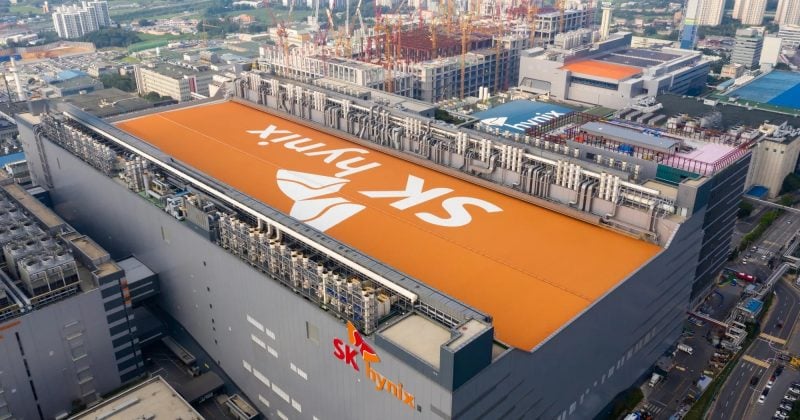
Semiconductor stocks that rode an unprecedented wave of AI infrastructure spending through the first half of 2026 are suddenly bleeding value, even as companies report earnings that would have been considered jaw-dropping in any prior era. SK Hynix shares surged 303% year-to-date by late June. Micron climbed 296%. Western Digital, via its Sandisk brand, posted gains as high as 780%. And yet, as July arrived, the selling started almost immediately.
The numbers don’t lie, but the market stopped caring
Micron’s fiscal Q3 revenue hit $41.46 billion, a 346% year-over-year increase. The reward for that performance? A roughly 7.5% stock drop on July 7.
Samsung fared even worse. Despite projecting a 19-fold increase in operating profit, its shares fell as much as 10%.
This pattern swept across the memory chip sector, which had been the primary beneficiary of surging demand for high-bandwidth memory, or HBM. Samsung’s stock had already risen between 169% and 183% during the first half, while Seagate added 226%.
South Korea’s KOSPI index, heavily weighted toward semiconductor names, gained roughly 123% to 125% through mid-year, marking its best first-half performance in decades.
Profit-taking meets valuation anxiety
When Micron can post revenue growth north of 300% and still see its stock punished, the market is telling you that expectations had gotten ahead of even extraordinary reality.
One chipmaker’s Bitcoin fire sale
Sequans Communications, a relatively niche chipmaker, sold 1,025 Bitcoin in Q1 2026, nearly halving its crypto holdings to manage debt.
On July 7, Bitcoin was trading near $63,000 to $63,300, up roughly 9% for the week, while AI-linked chip stocks were sliding.
Disclosure: This article was edited by Editorial Team. For more information on how we create and review content, see our Editorial Policy.








 English (US) ·