
 1 hour ago
13
1 hour ago
13
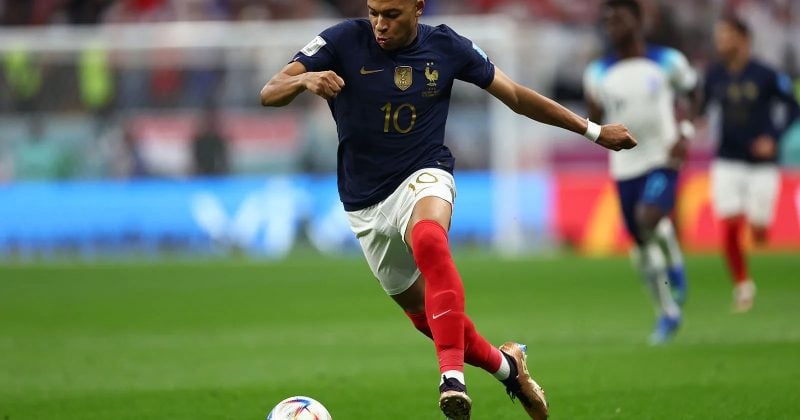
Christian Karembeu won the World Cup with France in 1998. He knows what a winning setup looks like. And after watching the United States men’s national team navigate a home World Cup run before falling to Belgium in the Round of 16, he came away impressed enough to suggest a USMNT final appearance in 2026 is not out of the question.
That kind of endorsement carries weight. It also arrives at a moment when the 2026 tournament, co-hosted across the United States, Canada, and Mexico, is shaping up to be something well beyond a soccer event.
The tournament as a market event
The 2026 World Cup is the first edition to feature 48 teams, up from the traditional 32. More teams means more matches, more fans, and, as it turns out, more crypto infrastructure than any FIFA tournament has seen before.
On June 9, 2026, Kraken was named FIFA’s first-ever Official Crypto Exchange Supporter. That title is not honorary. It positions Kraken as the primary gateway for fans looking to buy, sell, or hold digital assets during a tournament expected to draw a global audience in the billions.
Chiliz is also in the mix. The company behind fan tokens for clubs like FC Barcelona and Paris Saint-Germain has seen its $CHZ token rise roughly 28% during the tournament’s early phases, driven by fan token activity tied to participating national teams.
Avalanche is handling the blockchain plumbing. The network is powering a dedicated FIFA blockchain layer for digital initiatives, including NFT drops. One example involves Visa and Crypto.com releasing historical goal collectibles as limited-edition NFTs, turning iconic moments into tradeable digital assets.
Karembeu at the intersection of football and Web3
Karembeu’s involvement in this crypto-adjacent space predates his World Cup commentary. Earlier in 2025, he appeared at a CoinW event alongside La Liga representatives during Consensus HK, where he spoke about blockchain’s potential to reshape how fans connect with football.
What investors should be watching
The Kraken announcement is the most structurally significant data point here. An official FIFA partnership is not the same as a sponsorship banner at a stadium. It implies contractual exclusivity in its category, which means competing exchanges are locked out of official World Cup branding for this cycle.
For $CHZ, the 28% move during the tournament’s early phase is worth contextualizing. Fan tokens have historically been volatile instruments that spike around major sporting moments and retrace sharply once the event concludes.
Avalanche’s role as the FIFA blockchain layer is a different kind of opportunity. Infrastructure plays tend to be less flashy than token price surges, but they carry longer-term implications. If FIFA’s NFT and digital collectible programs gain genuine traction with casual fans rather than just crypto enthusiasts, Avalanche’s association with that infrastructure becomes a durable talking point for the network’s institutional credibility.
The Qatar 2022 World Cup saw a wave of crypto sponsorships arrive just as the market entered a brutal bear cycle. The timing this cycle is different, and a US-hosted tournament with a roster of American crypto firms involved creates a more cohesive narrative than anything FIFA has attempted before.
Disclosure: This article was edited by Editorial Team. For more information on how we create and review content, see our Editorial Policy.

 English (US) ·