
 1 hour ago
17
1 hour ago
17
British consumers are feeling a lot better about inflation, and the timing is raising eyebrows. The latest Citi/YouGov survey shows UK household inflation expectations have fallen sharply, landing near the levels recorded in January 2026 before geopolitical chaos in the Middle East sent energy prices, and nerves, soaring.
One-year-ahead inflation expectations dropped to 3.8% in June from 4.7% in May. That’s a nearly full percentage point decline in a single month, the kind of move that gets the Bank of England’s attention fast.
The numbers tell a clear story
The decline isn’t limited to the short term. Longer-term expectations, covering five years or more, also ticked down from 4.0% in May to 3.9% in June.
For context, look at where things stood just a few months ago. In March 2026, short-term inflation expectations spiked to 5.4%, the highest reading since February’s 3.3%. Longer-term expectations hit 4.5% that same month. The culprit was obvious: geopolitical tensions involving Iran had triggered energy price surges that rippled through consumer psychology.
July data reinforced the downward trend even further, with one-year expectations falling to 3.4% and longer-term expectations declining to 3.7%. Those readings sit comfortably near the pre-conflict levels from January, before the Iran situation escalated.
This survey has been running monthly for over two decades, tracking household views on inflation since at least 2005. The BoE treats it as a meaningful signal when calibrating monetary policy.
A curious disconnect with energy markets
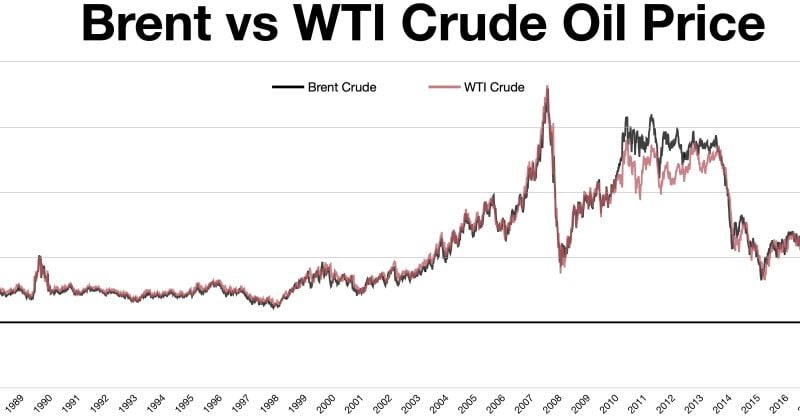
What makes this survey particularly interesting is what’s happening in energy markets at the same time. Global oil and gas prices have been rising, a dynamic that historically pushes inflation expectations higher. Yet British households seem to be shrugging it off.
The easing expectations are being attributed to reduced energy price pressures following those earlier shocks. The March spike was sharp but relatively short-lived in terms of consumer sentiment, and the unwinding has been equally rapid.
What this means for the Bank of England and investors
For the BoE, this data provides some genuine breathing room. With expectations now trending down toward pre-conflict levels, the pressure on the BoE to maintain a hawkish stance diminishes.
The key risk to watch is whether this survey trend holds through the summer. Energy markets remain volatile, and geopolitical tensions in the Middle East haven’t fully resolved. If oil prices spike again, the March pattern could repeat. The BoE will likely want to see several more months of declining expectations before making any material policy shifts, making the August and September readings potentially pivotal for the remainder of 2026.
Disclosure: This article was edited by Editorial Team. For more information on how we create and review content, see our Editorial Policy.





 English (US) ·