
 1 hour ago
20
1 hour ago
20
Coronation Fund Managers, the South African firm overseeing roughly $47 billion in assets, has started pulling back from the semiconductor names that defined the AI trade. The firm reduced its positions in TSMC and SK Hynix, redirecting capital toward Indian equities in what amounts to a quiet vote of no-confidence in current AI stock valuations.
The reasoning is straightforward: expectations for AI-related stocks have climbed to levels that are, in Coronation’s view, nearly impossible to beat. When the bar is set that high, even strong earnings can disappoint.
The AI valuation problem
TSMC and SK Hynix have been two of the biggest beneficiaries of the generative AI boom. TSMC fabricates the most advanced chips on the planet, and SK Hynix dominates the high-bandwidth memory market that AI accelerators depend on.
SK Hynix raised $26.5 billion through a US ADR listing in July 2026, marking one of the largest foreign listings in American market history. That capital raise signals ongoing appetite for AI infrastructure on the supply side. But for existing shareholders, the question shifts from “is demand real” to “is this price rational.”
Why India, and why now
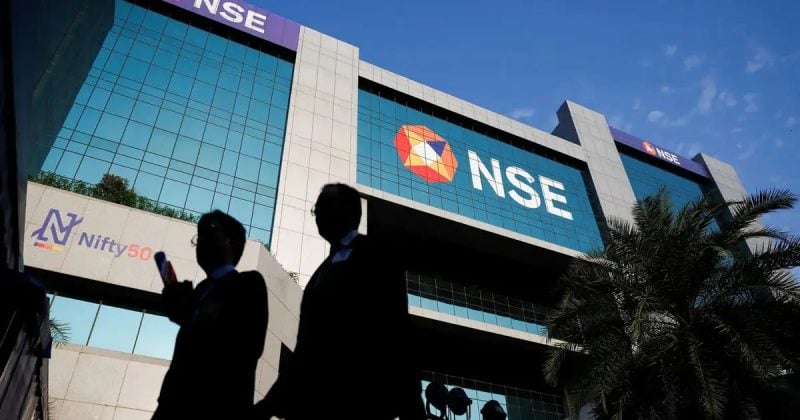
The capital freed up from trimming semiconductor positions isn’t sitting in cash. Coronation has been building exposure to Indian equities, with a particular focus on banks, consumer-facing companies, and services businesses.
India’s economy is driven heavily by domestic consumption rather than export cycles, which provides a natural hedge against the kind of global tech demand fluctuations that can whipsaw chipmaker stocks. The Indian equity market is large and liquid enough to absorb meaningful institutional flows without moving prices against you on the way in.
What this means for crypto-adjacent investors
Coronation’s portfolio shift doesn’t involve any crypto assets, tokens, or blockchain protocols. The firm operates squarely in traditional equities.
The AI narrative has been one of the most powerful forces in financial markets over the past few years. Tokens tied to decentralized compute, AI agent frameworks, and GPU marketplaces have traded in loose correlation with the broader AI sentiment cycle. When a $47 billion fund starts trimming AI exposure because valuations look stretched, that’s a data point worth noting.
The India angle is also worth watching from a crypto perspective. India has one of the largest crypto user bases globally, despite a complex regulatory environment that includes a 30% tax on crypto gains and a 1% TDS (tax deducted at source) on transactions.
Disclosure: This article was edited by Editorial Team. For more information on how we create and review content, see our Editorial Policy.





 English (US) ·