
 3 months ago
40
3 months ago
40
- Lawmakers move to ban officials from betting on outcomes they influence
- Prediction markets raise concerns around insider information advantage
- New bill signals growing pressure on platforms like Polymarket
Washington is finally stepping into a space that probably should’ve been addressed much earlier. Prediction markets grew quickly by turning real-world events into tradable outcomes, but somewhere along the way, a major flaw became impossible to ignore. The same people shaping political and economic outcomes could also bet on them, and profit from that position.
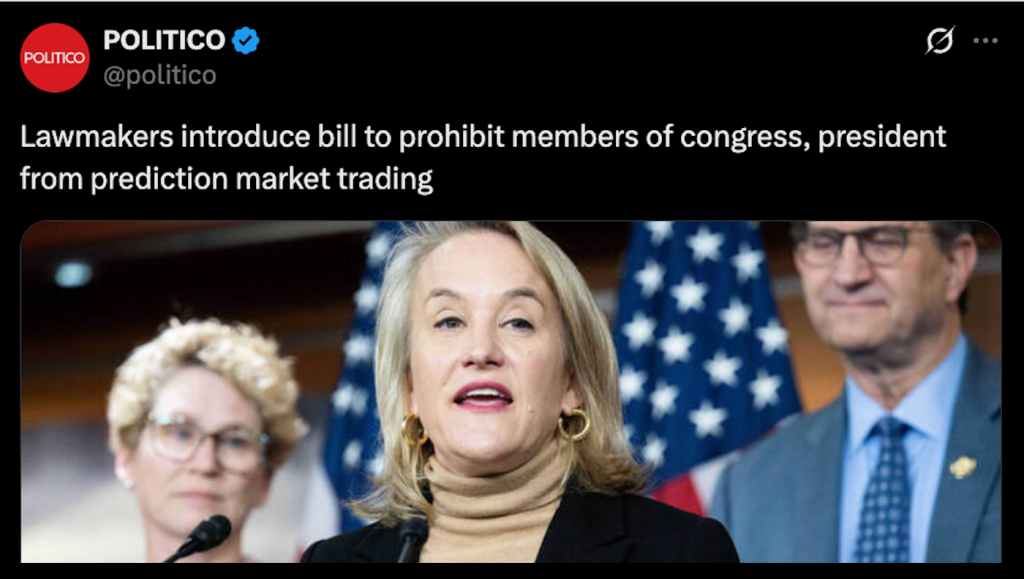
The newly introduced PREDICT Act, backed by lawmakers Nikki Budzinski and Adrian Smith, aims to close that gap. It focuses on banning officials from participating in markets tied to outcomes they can influence directly, things like legislation timelines, geopolitical developments, or government shutdowns. It sounds obvious now, but the fact that it took this long says a lot about how fast these markets evolved.
Prediction Markets and the Insider Edge
Platforms like Polymarket built their reputation on accuracy and crowd-driven forecasting. The idea is simple, more participants lead to better predictions. But that logic starts to break down when some participants have access to information others don’t, especially when that information comes from being inside the system itself.
In Washington, “better information” often means privileged access. That creates a dynamic where certain traders aren’t just predicting outcomes, they’re positioned close to the decision-making process. At that point, the line between speculation and advantage starts to blur, maybe more than people are comfortable admitting.
A Rule Change That Signals Something Bigger
The penalties outlined in the bill are relatively straightforward, requiring disgorgement of profits and an additional 10% fine. On paper, it looks like a clear deterrent. In practice though, it may be more about setting a boundary than aggressively enforcing it.
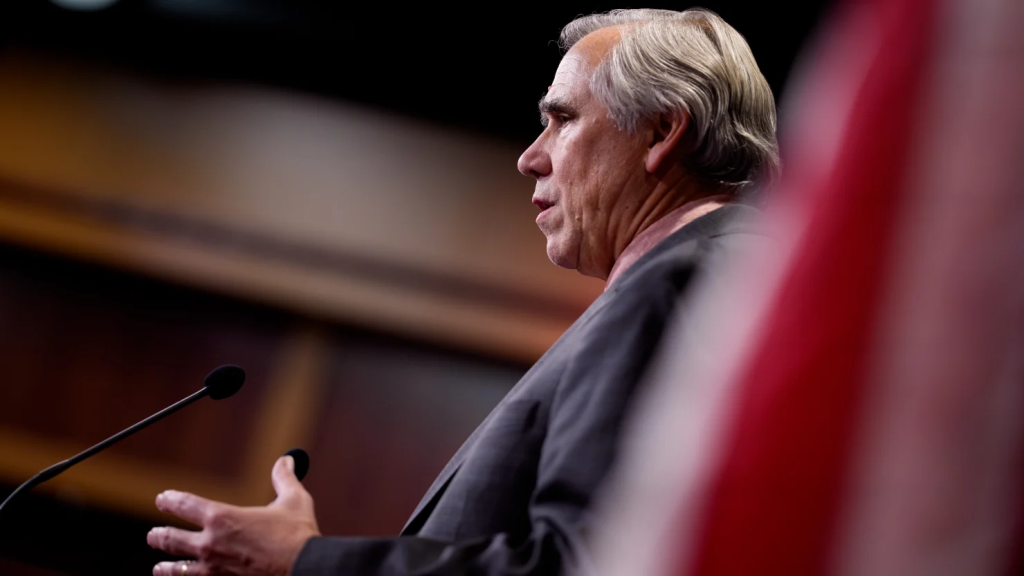
What matters more is the signal. Lawmakers are acknowledging that prediction markets are no longer experimental tools sitting on the edge of finance. They’ve grown into systems that can influence perception, pricing, and even behavior in real time. That kind of influence doesn’t stay unregulated for long.
Crypto Platforms Now Under the Spotlight
As these markets expand, crypto-native platforms are inevitably part of the conversation. Polymarket, in particular, has gained visibility for offering decentralized access to event-based trading. But with that visibility comes scrutiny, especially when the risks around insider participation become more obvious.
The intersection of crypto infrastructure and real-world events creates a new kind of market, one that doesn’t fit neatly into traditional regulatory frameworks. And when those markets start touching politics, regulation tends to follow, sometimes slowly, sometimes all at once.
The Bigger Question Still Lingers
The PREDICT Act attempts to solve a clear issue, but it doesn’t fully answer the broader question. If insiders are removed from these markets, does that improve fairness, or does it reduce the quality of information being priced in? That tension isn’t going away anytime soon.
Prediction markets sit in a strange position. They reflect reality, but they can also influence it. And once money is tied to outcomes that powerful people can shape, the stakes change. This bill may close one loophole, but it also opens the door to a much larger conversation about who should be allowed to participate, and under what conditions.
Disclaimer: BlockNews provides independent reporting on crypto, blockchain, and digital finance. All content is for informational purposes only and does not constitute financial advice. Readers should do their own research before making investment decisions. Some articles may use AI tools to assist in drafting, but every piece is reviewed and edited by our editorial team of experienced crypto writers and analysts before publication.







 English (US) ·