
 1 month ago
44
1 month ago
44
- David Sacks warned that the U.S. may only be six to nine months ahead of China in artificial intelligence development.
- He argued that overly strict AI regulation could slow American companies and give China time to catch up.
- The debate matters for crypto because AI infrastructure, capital flows, and digital assets are becoming more connected.
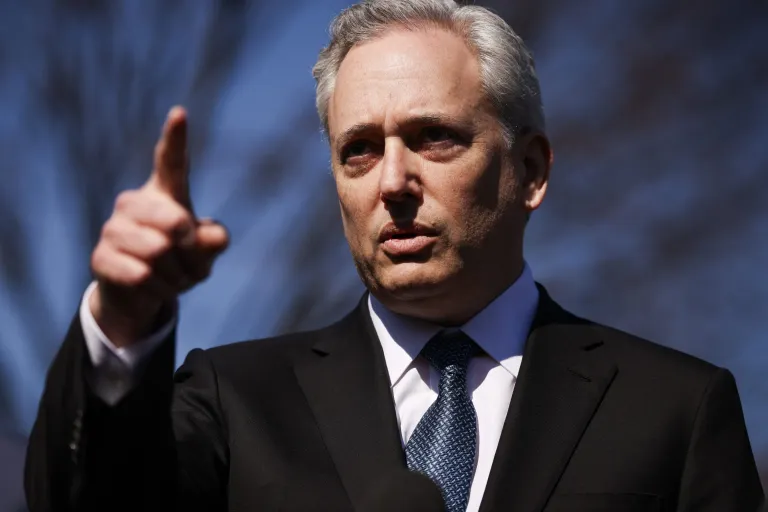
David Sacks believes the artificial intelligence race is much tighter than many people in Washington seem to realize. The former White House AI and crypto advisor recently warned that the United States may be only six to nine months ahead of China in advanced AI development, a lead that sounds comfortable until you remember how fast technology can move.

Appearing on Fox Business, Sacks criticized the idea of an “FDA-style” approval process for AI models. His concern is that lengthy government reviews could delay American companies while Chinese competitors continue building, launching, and improving their systems. In his view, one badly designed AI law could turn a narrow U.S. advantage into a lost opportunity.
Why Regulation Is Becoming the Big Question
Washington is still trying to decide how aggressively artificial intelligence should be regulated. Policymakers want safety, oversight, and some level of control over the most powerful models, but the industry has pushed back against rules that could slow development too much.
The Trump administration recently signed an executive order creating a framework for government access to advanced AI models before public release. However, the final version was reportedly softer than earlier proposals after major industry resistance. That shift shows how difficult the balancing act has become: move too slowly, and safety risks grow. Move too aggressively, and innovation may leave the U.S. behind.
Why Crypto Investors Are Watching AI Policy
At first glance, Sacks’ warning may sound like a pure technology policy issue. But for crypto investors, it is also a market story. The companies building frontier AI systems are spending enormous sums on chips, data centers, cloud infrastructure, and energy capacity.
Those investments influence venture capital, public markets, liquidity, and risk appetite. If the United States keeps its AI lead, American technology companies may continue attracting massive global capital flows. That could support broader risk markets, including digital assets. But if China closes the gap faster than expected, investors may begin rethinking where the next wave of technological value will be created.
AI and Crypto Are Becoming More Connected
The link between AI and crypto is getting harder to ignore. Both sectors are tied to infrastructure demand, scarce compute, energy access, capital formation, and the broader appetite for high-growth technology. Investors who once treated them as separate stories are increasingly watching them as part of the same digital economy.
That is why Sacks’ warning matters beyond Silicon Valley. A major shift in AI leadership could affect how capital moves across technology markets, including blockchain projects, crypto infrastructure, and digital assets connected to AI narratives.
The Warning Has a Bullish Side
Ironically, Sacks’ message is not entirely negative. He is not saying America has already lost the AI race. He is saying the U.S. is still ahead, but the margin may be much thinner than policymakers assume.
That makes timing crucial. Sensible regulation could support long-term trust in AI, but excessive restrictions could slow the companies currently leading the race. For crypto investors, the takeaway is simple: AI policy is no longer just a government debate. It is becoming one of the biggest forces shaping capital flows, infrastructure spending, and market sentiment across the entire digital economy.
Disclaimer: BlockNews provides independent reporting on crypto, blockchain, and digital finance. All content is for informational purposes only and does not constitute financial advice. Readers should do their own research before making investment decisions. Some articles may use AI tools to assist in drafting, but every piece is reviewed and edited by our editorial team of experienced crypto writers and analysts before publication.







 English (US) ·