
 1 hour ago
22
1 hour ago
22
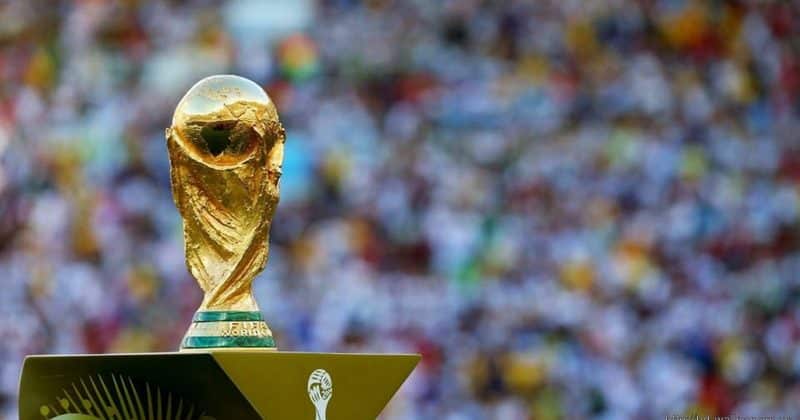
When Spain and Belgium square off in the World Cup 2026 quarterfinals, millions of fans will be watching on DAZN. But a growing subset of those viewers will be doing something else simultaneously: placing predictions on a blockchain-powered platform embedded directly into the stream.
The match is scheduled for July 10 at SoFi Stadium in Inglewood, California, with kickoff set for 8pm BST (12pm ET).
How blockchain prediction markets landed inside a World Cup stream
ADI Predictstreet, which holds the title of FIFA’s Official Prediction Market Partner for the entire 2026 tournament, is integrated directly into DAZN’s streaming platform. The setup lets viewers make real-time predictions on match outcomes, player statistics, and various in-game events while they watch.
The free-to-play version of ADI Predictstreet launched in June 2026. By removing the financial barrier to entry, the platform essentially functions as a funnel: get fans engaged with no-cost predictions first, then offer paid features through regulated partners like Kalshi for those who want more skin in the game. Fans can compete on leaderboards for prizes, including actual World Cup tickets.
The ADI token and its role in the ecosystem
The ADI token currently trades at approximately $5.80 and serves as the backbone of ADI Chain’s ecosystem. It handles gas fees and facilitates transactions across the network, which means every prediction, every leaderboard update, and every prize distribution touches the token in some capacity.
DAZN’s growing crypto playbook
This isn’t DAZN’s first venture into the blockchain space. The streaming platform partnered with Bitpanda in 2024 and released NFTs on OpenSea back in 2021. The ADI Predictstreet integration represents something more coherent: a product that actually enhances the viewing experience rather than just slapping a crypto logo on a jersey.
DAZN gets engagement metrics and stickier viewership. ADI gets massive distribution. FIFA gets to call itself innovative.
What this means for investors watching the space
The broader signal here is that compliant prediction markets are gaining institutional legitimacy. FIFA, one of the most brand-conscious organizations on the planet, chose a blockchain-native prediction platform as an official partner.
Regulatory scrutiny around prediction markets varies wildly by country. What flies in the UK may not work in Germany. What’s legal in the US through platforms like Kalshi might face restrictions elsewhere.
Disclosure: This article was edited by Editorial Team. For more information on how we create and review content, see our Editorial Policy.




 English (US) ·