
 1 day ago
27
1 day ago
27
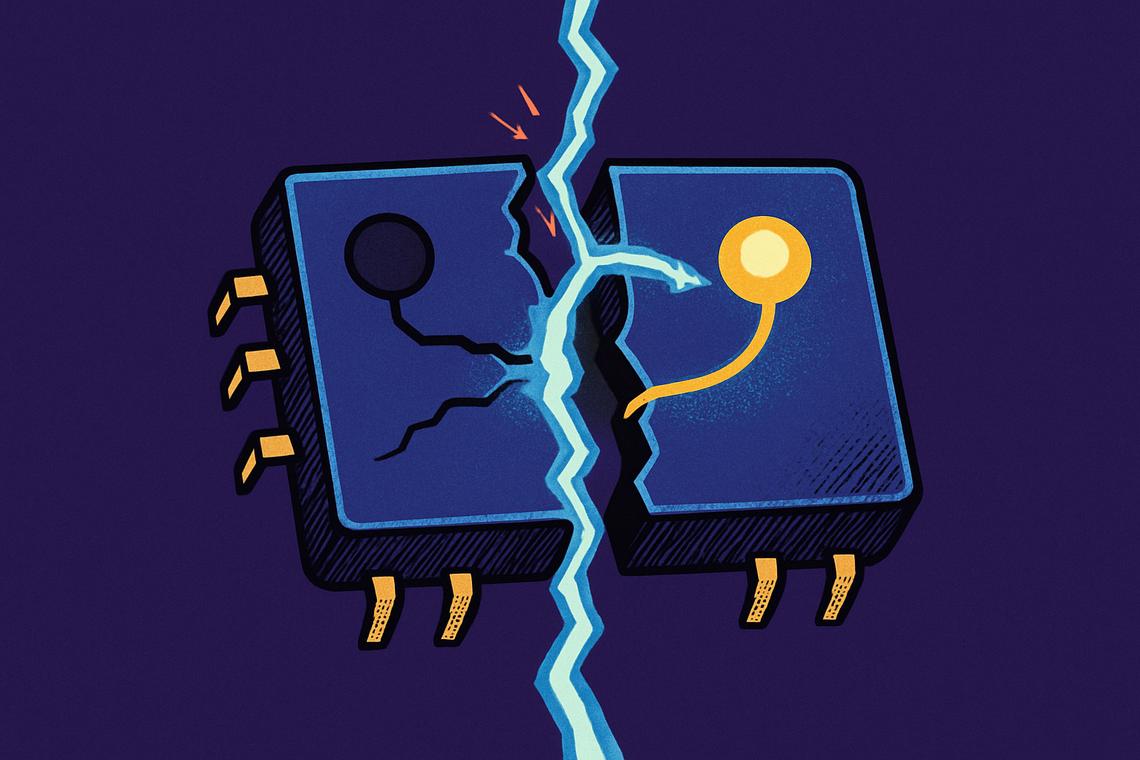
Something unusual is happening inside the world’s top AI labs: some of the very people who built the technology are heading for the exits, and their destinations say a lot about where the industry believes the next breakthroughs will happen. The rivalry now unfolding between Google DeepMind and OpenAI has become a useful lens for understanding how fiercely research talent is being fought over across Silicon Valley, and the names involved are not junior engineers — they are the researchers whose work underpins some of the most cited papers in modern machine learning.
Key takeaways
- Noam Shazeer, co-author of the influential Transformer paper, has moved from Google DeepMind to OpenAI.
- John Jumper, who led DeepMind’s AlphaFold project, has joined Anthropic.
- OpenAI, Anthropic, Meta, and xAI are competing intensely for a small pool of elite AI researchers.
- Market pricing gives Alibaba just a 0.1% probability of having the best AI model by the end of August 2026.
- Upcoming model releases from Anthropic, OpenAI, and Google are expected to show whether these departures actually move the needle on performance.
Talent Exodus from Google DeepMind
Google DeepMind is losing some of its most recognizable researchers to rival labs, and the pattern is becoming hard to ignore. AI research organizations, DeepMind included, are seeing meaningful turnover as competitors offer their scientists new platforms, resources, and problems to work on.
Key Departures: Noam Shazeer and John Jumper
Two names stand out in this latest wave. Noam Shazeer, who co-authored the Transformer paper — the research that laid the groundwork for nearly every large language model built since — has left DeepMind for OpenAI. Meanwhile, John Jumper, who led DeepMind’s AlphaFold project, one of the lab’s signature scientific achievements in protein-structure prediction, has joined Anthropic. Both moves put deeply specialized expertise directly in the hands of DeepMind’s closest rivals.
Impact on DeepMind’s Research Capacity
Losing researchers of this caliber is not a routine staffing change. Shazeer’s foundational work on the Transformer architecture and Jumper’s leadership on AlphaFold represent years of institutional knowledge that now benefit OpenAI and Anthropic instead of DeepMind. Whether this weakens DeepMind’s near-term output is not something that can be measured immediately, but it does raise a real question about how the lab retains its next generation of standout scientists.
Intense Competition Among Leading AI Labs
The departures reflect a much larger fight happening across the AI industry — a scramble among a handful of companies for a genuinely small number of world-class researchers. This is not limited to two individuals or two labs; it’s a structural feature of how the sector currently operates.
Rivalry Between OpenAI, Anthropic, Meta, and xAI
OpenAI, Anthropic, Meta, and xAI are all competing intensely to attract and keep elite AI talent, and Google DeepMind sits squarely in the middle of that competition, both as a target for poaching and as a source of researchers other labs want to hire away. This dynamic between Google DeepMind and OpenAI in particular illustrates how thin the line has become between collaboration and rivalry at the top of the field — researchers move freely between organizations that are simultaneously racing each other for market position.
Challenges in Talent Acquisition and Retention
Why does this matter beyond bragging rights? Because the pool of researchers capable of pushing frontier models forward is genuinely limited, and every departure from one lab is effectively a gain for another. That makes retention as strategically important as recruitment. A lab that keeps bleeding senior talent risks slower iteration on its most ambitious projects, while a lab that successfully attracts names like Shazeer or Jumper gains an immediate credibility boost with investors and partners alike.
Implications of Talent Shifts on AI Model Development
These personnel shifts matter because model development is still, at its core, a people-driven process — and that means competitive advantage can shift faster than product cycles alone would suggest.
Potential Effects on Labs’ Capabilities
Market pricing already suggests that some labs may struggle to maintain a competitive edge as senior researchers scatter across the industry. This isn’t just speculation about morale; it’s a signal that traders and observers are pricing in real uncertainty about which lab will produce the next leading model. Google DeepMind vs OpenAI is no longer just a comparison of product releases — it’s increasingly a comparison of who can hold on to the people capable of building those products in the first place.
Market Signals and Future Model Releases
One striking data point underscores how lopsided expectations currently are: market pricing gives Alibaba just a 0.1% probability of having the best AI model by the end of August 2026. That figure is a reminder that, despite all the noise around talent movement, the market still overwhelmingly expects the leading model to come from one of the established Western labs — DeepMind, OpenAI, Anthropic, or Meta — rather than from an outside challenger.
The real test will come with the next round of releases. Upcoming models from Anthropic, OpenAI, and Google will serve as the clearest evidence yet of whether these staffing changes translate into measurable gains or losses on AI leaderboards. Any new benchmark scores or capability announcements in the coming months should be read with this context in mind — they may say as much about who built the model as about the model itself.
FAQ
Which key AI researchers have left Google DeepMind recently?
Noam Shazeer moved from DeepMind to OpenAI, and John Jumper moved from DeepMind to Anthropic.
What AI labs are competing for elite talent?
OpenAI, Anthropic, Meta, and xAI are intensely competing to attract and retain top AI research talent.
How might the talent shifts affect AI model development?
Talent shifts may impact labs’ capability to develop leading AI models and influence future model releases and rankings.
What does current market pricing indicate about AI leadership?
Market pricing suggests challenges for some labs to maintain their competitive edge, with Alibaba having only a 0.1% probability of having the best AI model by August 2026.
Article produced with the assistance of artificial intelligence and reviewed by the editorial team.







 English (US) ·