
 1 hour ago
22
1 hour ago
22
Trump picked Kevin Warsh to run the Federal Reserve. Now the two can’t agree on the most important number in finance.
The president has been publicly pushing for rate cuts of 1% or lower, while Warsh, who was sworn in as Fed Chair in May 2026, chose to hold the federal funds rate steady at 3.5-3.75% during his first FOMC meeting on June 16-17. With inflation sitting at a three-year high of 4.2% year-over-year, Warsh’s decision to prioritize price stability over political pressure sets up a confrontation that could rattle every corner of financial markets, crypto included.
The awkward breakup nobody wanted
Trump nominated Warsh back in January 2026, and the confirmation process was anything but smooth. Warsh squeaked through with the narrowest confirmation vote in Fed Chair history.
Before taking office, Warsh made comments that leaned dovish, suggesting he might be sympathetic to easing monetary conditions. But once he actually sat down in the big chair and stared at the inflation data, his tone changed. His post-FOMC communications have emphasized the Fed’s independence and a clear focus on taming inflation.
Trump has publicly expressed support for Warsh’s autonomy while simultaneously calling for aggressive rate cuts. He’s also hinted that Warsh may face a “hostile” board resistant to drastic cuts.
Why inflation is winning the argument
The May 2026 inflation reading of 4.2% year-over-year is the highest in three years. Geopolitical tensions, particularly the Iran conflict, have pushed gas prices up significantly, with supply chain disruptions compounding the problem.
Warsh’s decision to hold rates steady at 3.5-3.75% reflects standard central banking practice: when inflation runs hot, you don’t ease monetary conditions regardless of what the White House wants. The market had been pricing in some probability of near-term rate cuts based on Warsh’s earlier dovish signals. His pivot to inflation hawk has forced a rapid recalibration of expectations, with bond yields reacting accordingly.
What this means for crypto
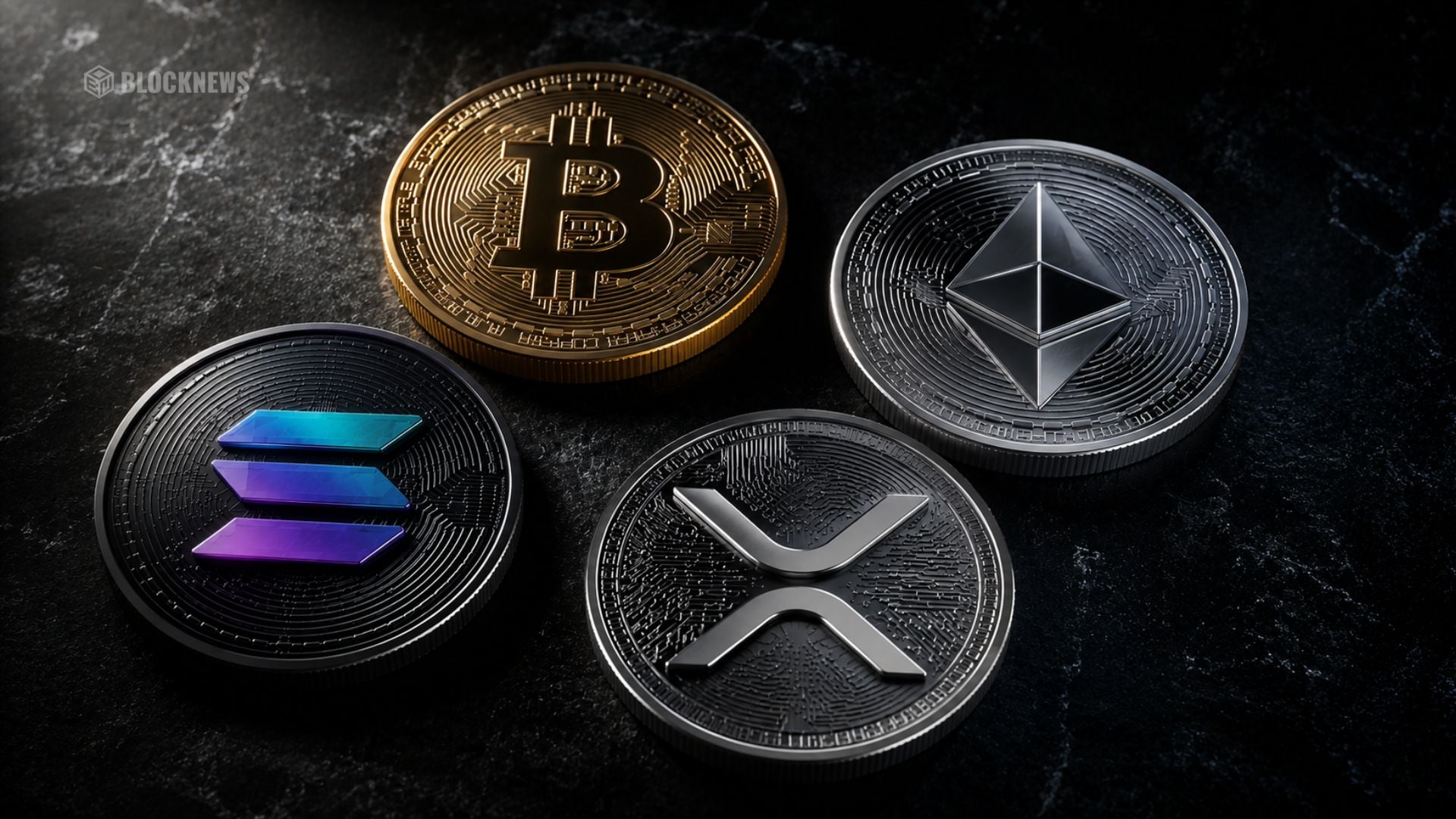
Lower interest rates make safe assets like Treasury bonds less attractive, pushing capital toward riskier investments, including crypto. Higher rates do the opposite, draining liquidity from speculative markets. With Warsh holding firm and inflation giving him every reason to stay put, the rate-cut narrative that fueled optimism across risk assets is losing steam. Bitcoin has been hovering around $60,000 in recent weeks, and Warsh’s hawkish pivot has injected fresh uncertainty into the trajectory.
If Trump escalates his public campaign against Warsh, it introduces institutional credibility risk. Markets function on the assumption that the Fed operates independently, and any perception that political interference is undermining that independence tends to increase volatility across all asset classes.
Traders should also watch the political chess game around the Fed board itself. Trump’s comments about a “hostile” board suggest he may attempt to reshape the FOMC through future appointments. A divided Fed sends mixed signals, and mixed signals are the one thing markets hate more than bad news.
Disclosure: This article was edited by Editorial Team. For more information on how we create and review content, see our Editorial Policy.




 English (US) ·