
 1 hour ago
19
1 hour ago
19
President Donald Trump announced on June 11, 2026, that the US and Iran are on the verge of finalizing a deal to resolve hostilities between the two nations. He described the deal documents as being in “pretty final shape,” suggesting a signing ceremony could happen in Europe with Vice President JD Vance in attendance.
There’s just one problem. Iran doesn’t seem to agree that things are quite so settled.
What Trump is saying vs. what Iran is saying
Iranian state media has pushed back on Trump’s characterization. Official Iranian outlets have dismissed the reports as speculative, emphasizing that no formal agreement has been reached.
The gap between the two sides’ public messaging matters. Deals of this magnitude, involving nuclear enrichment terms and sanctions relief, tend to fall apart precisely when one party gets too far ahead of the other in declaring victory.
A draft framework for the talks emerged in late May 2026, reportedly involving a 60-day ceasefire extension and renewed nuclear negotiations.
The backstory: from military strikes to diplomacy
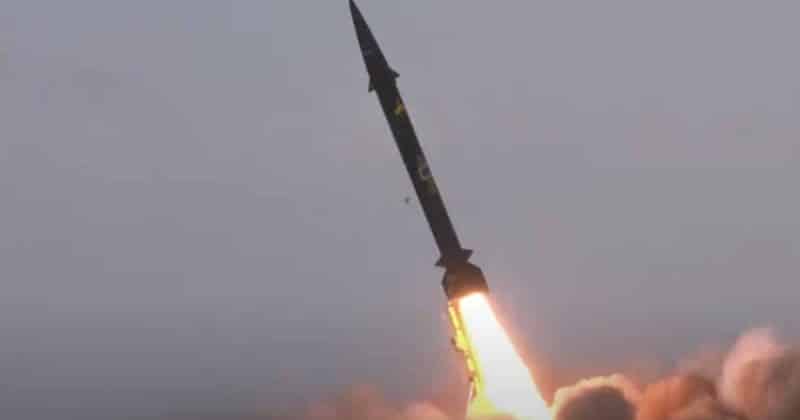
A ceasefire has been in effect since April 7, 2026, following extensive US and Israeli military operations that targeted Iranian nuclear facilities.
Trump has demanded stricter terms on nuclear enrichment compared to previous agreements. For Iran, agreeing to tighter restrictions on enrichment would mean accepting terms more stringent than the 2015 JCPOA, the deal Trump himself pulled out of during his first term.
The US has seized approximately $1 billion in Iranian-linked cryptocurrency as part of its broader sanctions strategy.
Why crypto markets are watching this closely
Bitcoin and other cryptocurrencies have shown notable volatility around these negotiations. Positive signals about progress, like Trump’s late May comments about the draft framework, coincided with price increases. Renewed tensions or skepticism, like Iran’s dismissals, have triggered pullbacks.
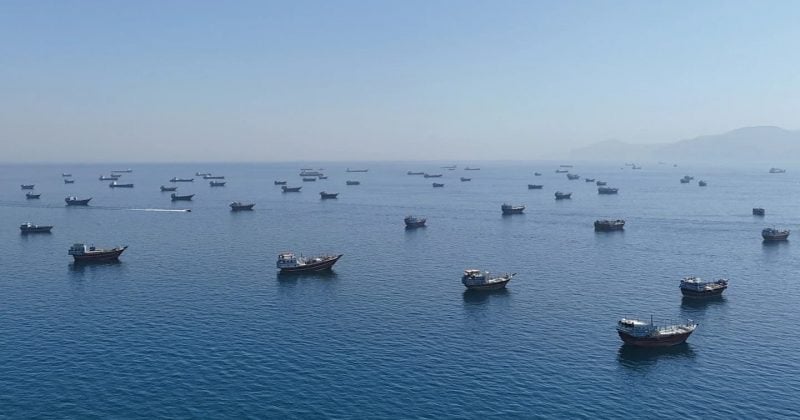
A finalized deal would likely stabilize oil shipping routes through the Strait of Hormuz. The key variables to watch: whether Iran’s public posture shifts from dismissive to constructive, whether the 60-day ceasefire extension holds or frays, and whether Trump’s team can bridge the gap on enrichment terms.
Disclosure: This article was edited by Editorial Team. For more information on how we create and review content, see our Editorial Policy.

 English (US) ·