
 1 hour ago
17
1 hour ago
17
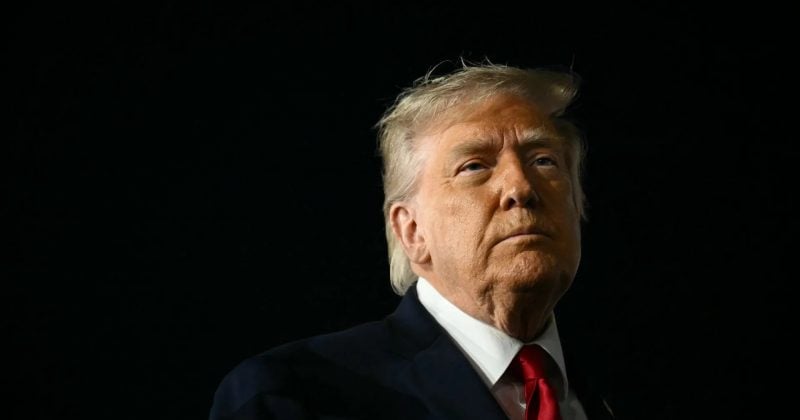
Donald Trump used the G7 summit stage to pitch a tentative deal with Iran, arguing the agreement was necessary to prevent what he described as an economic catastrophe. The defense came during the G7 gathering in Evian-les-Bains, France, held June 15 to 17, 2026, where the Iran question overshadowed other agenda items.
The arrangement, classified as a memorandum of understanding rather than a binding treaty, is expected to be formally signed in Switzerland on June 20, 2026. If it holds, Iran could resume oil exports upon signing, a development with enormous implications for global energy pricing.
What the deal actually involves
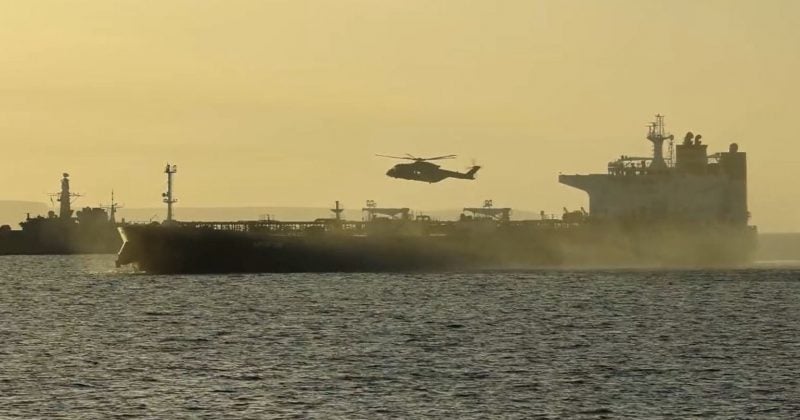
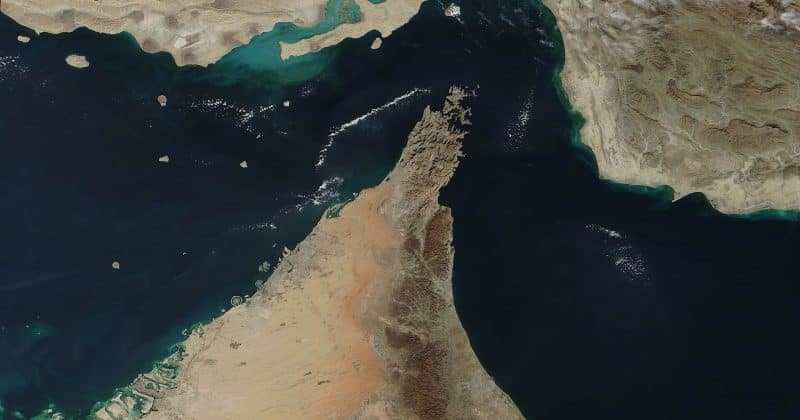
The memorandum builds on a ceasefire that has been in place since April 2026, stretching it by an additional 60 days. The deal is designed to end the active US-Iran conflict, which had been running for approximately 15 weeks before the April ceasefire, guarantee free shipping through the Strait of Hormuz, and open the door for Iran to re-enter global oil markets.
Trump characterized the market response as already validating his approach, pointing to falling oil prices as evidence that investors see the agreement as credible.
Trump also praised Qatar’s role as a mediator during the negotiations. He indicated he “wouldn’t mind” sending the memorandum to Congress. Since the agreement is structured as a memorandum of understanding rather than a formal treaty, the question of whether Congressional approval is legally required remains open.
The geopolitical backdrop
Trump has long been a vocal critic of the 2015 JCPOA, the nuclear agreement brokered under the Obama administration that he withdrew from during his first term. The fact that Trump explicitly mentioned military action remains on the table if implementation falters. The deal is structured as a confidence-building measure, not a peace agreement.
The G7 discussions also touched on artificial intelligence governance and the situation in Lebanon. The Strait of Hormuz is one of the most strategically important chokepoints on the planet, with roughly a fifth of the world’s oil supply passing through it.
What this means for markets and crypto investors
The immediate market signal is straightforward: more Iranian oil supply means downward pressure on crude prices. The formal signing on June 20 in Switzerland becomes the next major catalyst. The 60-day extension window means markets will be watching every diplomatic signal for signs of progress or breakdown.
Disclosure: This article was edited by Editorial Team. For more information on how we create and review content, see our Editorial Policy.




 English (US) ·