
 2 months ago
29
2 months ago
29
- DeFi has grown to nearly $94 billion, making it a major segment in crypto
- Solana leads in activity and speed, while Ethereum dominates in capital and liquidity
- Ethereum remains the top DeFi platform, with Solana as a strong second contender
Decentralized finance, or DeFi, isn’t some niche corner of crypto anymore… it’s massive. Right now, there’s around $94 billion locked across different protocols—lending, trading, borrowing, all running on-chain. And that number alone tells you something important: wherever the next wave of growth goes, that’s where the real gains will likely follow.
So naturally, the question keeps coming up. If you’re trying to position for that future, where do you look? Solana feels like the obvious answer to many, but Ethereum… well, it’s not going anywhere either. And then there are other players quietly trying to grab a piece of the pie.
Solana Moves Fast, and That Changes Everything
Solana’s appeal is pretty straightforward. It’s fast—really fast—and cheap to use. Transactions settle in about a second, fees are tiny, and that combination makes it incredibly attractive for developers building DeFi apps. Less friction, lower costs, quicker scaling… it all adds up.
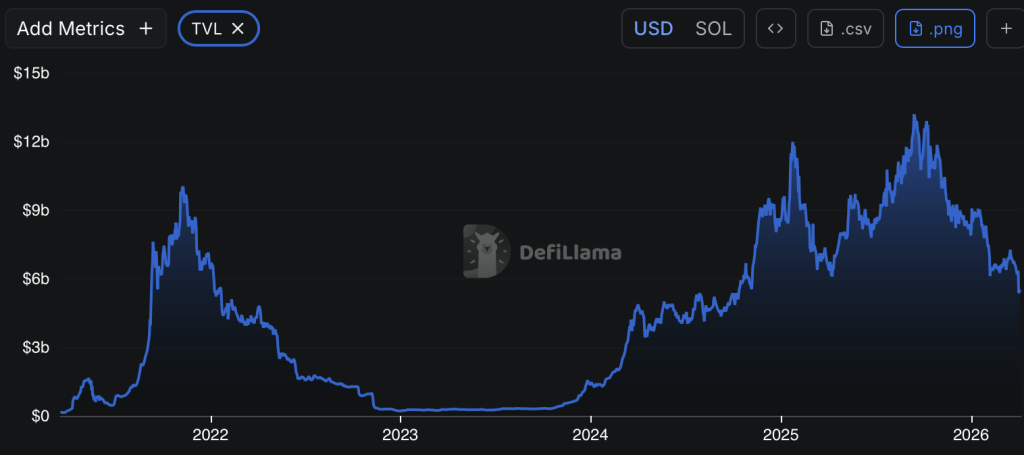
Right now, Solana holds around $6 billion in DeFi TVL and roughly $15 billion in stablecoins. Not the biggest, but enough to matter. And interestingly, it leads in DEX volume. At one point, Solana-based exchanges processed $1.3 billion in daily trading volume, compared to Ethereum’s $765 million. That says a lot about activity, even if total capital is lower.
Ethereum Still Controls the Capital
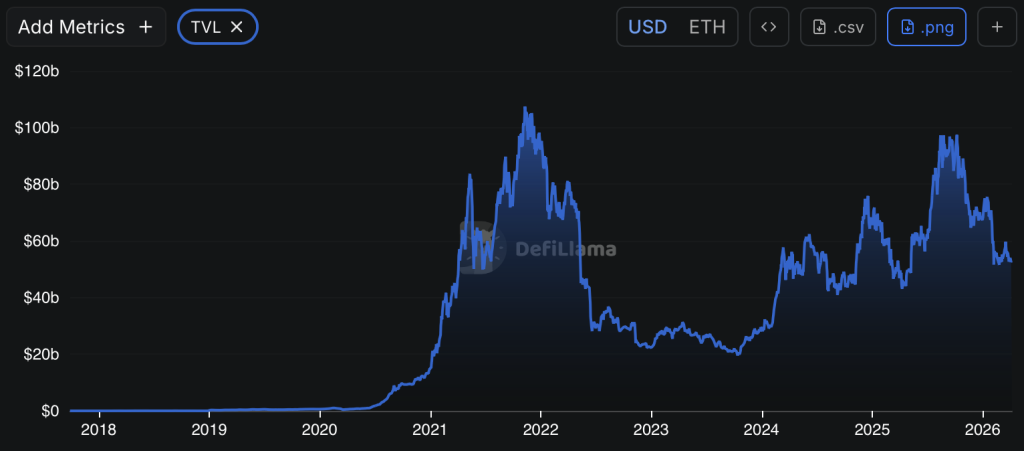
But then you look at Ethereum, and the scale is… hard to ignore. Around $53 billion in DeFi TVL, plus about $165 billion in stablecoins sitting on the network. That’s more than half of the global stablecoin supply, which explains why institutions keep coming back to it.
Yes, Ethereum is slower—transactions take closer to 30 seconds—and fees are higher, around $0.09 per swap instead of fractions of a cent. But that hasn’t stopped it. Because where the capital is, the ecosystem tends to grow… and stick.
Activity vs Liquidity Creates a Split
This is where things get interesting. Solana dominates in activity—more trades, more movement, more users interacting with DeFi protocols daily. Ethereum, on the other hand, dominates in liquidity. Bigger pools, deeper capital, stronger institutional presence.
It’s almost like two different strengths competing side by side. One is optimized for speed and usage, the other for stability and scale. And depending on what you value more, your answer might change.
So… Which One Actually Wins?
On paper, Solana looks like the better platform for DeFi. Faster, cheaper, more efficient—it checks all the boxes. But markets don’t always reward what looks best on paper.
Ethereum has something harder to replicate: inertia. Capital is already there, and once it settles, it doesn’t move easily. That kind of advantage builds over time, and it’s why Ethereum still leads, despite its limitations.
So for now, Ethereum remains the dominant force in DeFi. Solana? Probably the strongest alternative, and maybe the one with the most upside if things shift. But catching Ethereum… that’s a much bigger challenge than it might seem.
Disclaimer: BlockNews provides independent reporting on crypto, blockchain, and digital finance. All content is for informational purposes only and does not constitute financial advice. Readers should do their own research before making investment decisions. Some articles may use AI tools to assist in drafting, but every piece is reviewed and edited by our editorial team of experienced crypto writers and analysts before publication.







 English (US) ·