
 1 month ago
38
1 month ago
38
- Ethereum remains a strong long-term asset but faces competition in key use cases
- Institutional adoption and real-world assets continue to support its ecosystem
- Expectations for extreme returns should be tempered given its large market size
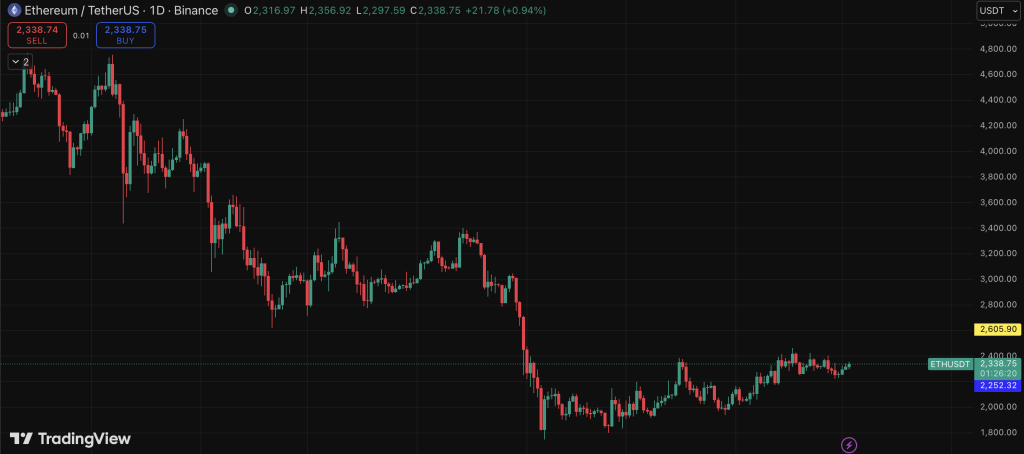
“Generational wealth” gets tossed around a lot in crypto, sometimes a bit too casually. The idea is simple though, find an asset that can multiply your investment many times over, even if it takes years. Ethereum usually ends up in that conversation, and not without reason. It’s already proven itself, built a massive ecosystem, and sits comfortably as the second-largest crypto with a market cap in the hundreds of billions.
But here’s the uncomfortable question… can it still deliver that kind of explosive growth from here?
Real-World Use Cases Are Shifting Elsewhere
One thing that’s become harder to ignore is how certain real-world use cases are slowly drifting away from Ethereum. Payments and stablecoin settlements, for example, are increasingly happening on faster and cheaper networks. Solana has been picking up a noticeable share here, and it’s not exactly subtle why.
Fees matter. On Ethereum, a simple transaction can cost a few dollars, sometimes more, while other chains process similar activity for pennies, or less. Over time, that difference adds up, and users tend to follow the path of least resistance, even if they don’t think about it too deeply.
There’s a similar story playing out in newer sectors like decentralized infrastructure networks. Some projects that originally launched on Ethereum have moved elsewhere, mainly for speed and cost reasons. It doesn’t necessarily mean Ethereum is failing, but it does suggest it might not dominate every use case moving forward.
Ethereum Still Holds Key Advantages
That said, Ethereum isn’t exactly losing relevance. In fact, in some areas, it’s still the default choice. Tokenized real-world assets, for instance, are largely concentrated on Ethereum. Billions in value are already flowing through these systems, and institutions seem comfortable building there.
Liquidity plays a big role in that. Ethereum has deep markets, a huge developer base, and a level of trust that newer chains are still working toward. For financial applications that require stability and scale, that matters more than just low fees.
The thing is, most of these use cases are happening behind the scenes. Regular users might not interact with them directly, which makes the growth feel less visible compared to consumer-focused applications.

Expectations Need to Stay Grounded
Here’s where things get a bit more grounded. For Ethereum to turn a modest investment into something massive, like a 100x return, it would need to reach a valuation that’s almost hard to imagine. We’re talking tens of trillions in market cap, which puts it beyond even the largest global companies.
That doesn’t make Ethereum a bad investment, not at all. It still has strong fundamentals, real adoption, and a clear role in the ecosystem. But expecting it to behave like an early-stage asset again might be… unrealistic.
Ethereum Remains Strong, But Not a Lottery Ticket
In the end, Ethereum looks more like a solid long-term asset than a moonshot. It’s still evolving, still attracting institutions, and still playing a central role in crypto infrastructure. But the days of easy, exponential gains might be behind it.
For investors, that means adjusting expectations. Ethereum can still grow, still deliver returns, but probably not in the way people imagine when they hear “generational wealth.”
And honestly, that’s not a bad thing. It just means the market is maturing.
Disclaimer: BlockNews provides independent reporting on crypto, blockchain, and digital finance. All content is for informational purposes only and does not constitute financial advice. Readers should do their own research before making investment decisions. Some articles may use AI tools to assist in drafting, but every piece is reviewed and edited by our editorial team of experienced crypto writers and analysts before publication.








 English (US) ·