
 1 hour ago
31
1 hour ago
31
Euro-area finance ministers are moving toward an extraordinary session to address surging energy prices, a challenge made considerably harder by global bond-market turmoil and fiscal positions that have very little room to maneuver. The informal Eurogroup gathering in Dublin on September 18 set the stage for what could become a coordinated, if modest, response to an energy shock that is testing Europe’s economic resilience all over again.
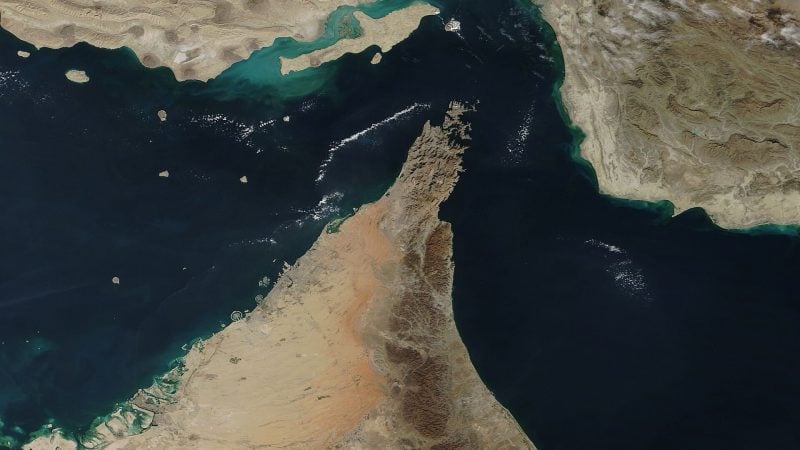
Brent crude has been trading consistently above $100 per barrel since early 2026, driven by escalating geopolitical tensions in the Middle East. For European consumers and businesses, that translates into higher heating bills, pricier transport, and the kind of cost-of-living pressure that makes finance ministers lose sleep.
A very different playbook from 2022
The last time Europe faced an energy crisis of this magnitude was 2022, when Russia’s invasion of Ukraine sent gas prices into orbit. European governments responded with a fiscal firehose, deploying over €700 billion in support measures to cushion households and industry from the blow.
This time, the wallet is significantly thinner. The aggregate fiscal response across the euro area currently sits at roughly 0.1% of GDP.
What’s on the table
Ministers meeting in Dublin discussed a menu of policy options that will sound familiar to anyone who lived through the previous energy shock. VAT and excise cuts on fuel are being considered, along with targeted subsidies for vulnerable households and small businesses struggling with electricity costs.
The more contentious proposal involves windfall taxes on energy companies whose profits have ballooned alongside crude prices. Germany has been pushing for an EU-level approach to taxing those excess gains, arguing that a patchwork of national measures creates competitive distortions across the single market.
The European Commission, however, has pushed back, stating that windfall taxation remains primarily a national prerogative.
Greece has already moved ahead on its own, earmarking between €130 million and €150 million in fiscal reserves for potential energy-related subsidies.
Eurogroup President Kyriakos Pierrakakis has emphasized the importance of keeping any interventions temporary, warning that permanent subsidies could distort energy markets and undermine the bloc’s decarbonization commitments.
The inflation problem
Rising energy costs feed directly into inflation, and the European Central Bank is watching closely. After spending much of 2023 and 2024 battling post-pandemic price pressures with aggressive rate hikes, the ECB had only recently begun easing monetary conditions.
Bond markets are already reflecting that anxiety. Rising yields on sovereign debt make it more expensive for governments to borrow, which in turn narrows the fiscal space available for energy subsidies.
The Dublin meeting was explicitly framed as a precursor to the October Ecofin session, where formal policy decisions could be taken.
Disclosure: This article was edited by Editorial Team. For more information on how we create and review content, see our Editorial Policy.







 English (US) ·