
 1 hour ago
11
1 hour ago
11
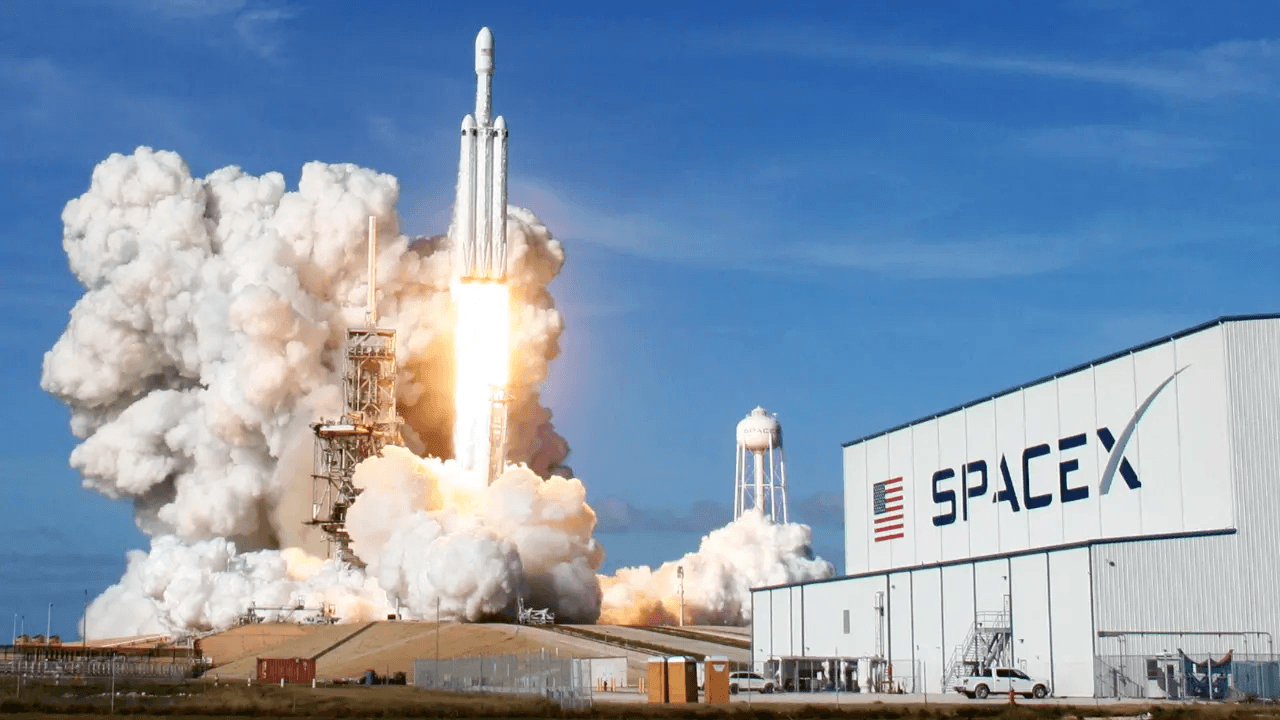
SpaceX is about to attempt what could be the largest IPO in history, with a valuation expected to exceed $2 trillion. But a growing number of European asset managers are raising an uncomfortable question: does the company even qualify for their sustainability-focused portfolios?
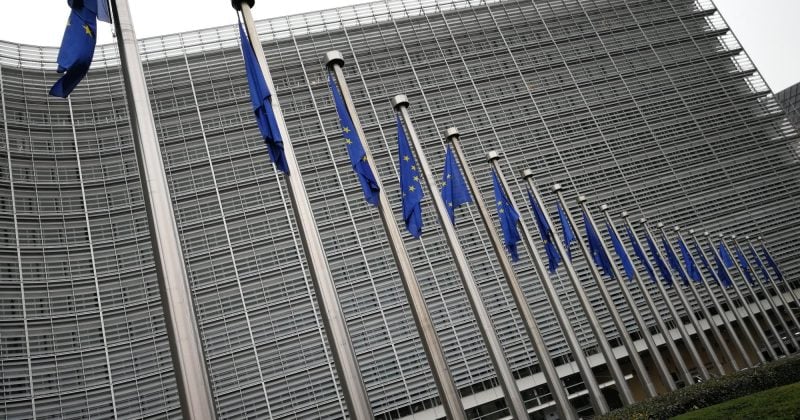
The answer depends on who you ask. And the disagreement could lock out fund managers overseeing roughly €6.8 trillion in assets from participating in one of the most anticipated public listings ever.
The SFDR problem
At the heart of the dispute is the EU’s Sustainable Finance Disclosure Regulation, known as SFDR. Article 6 funds have minimal sustainability requirements. Article 8 funds, sometimes called “light green,” promote environmental or social characteristics. Article 9 funds, or “dark green,” have sustainable investment as their core objective.
Erste Asset Management, one of Central Europe’s major fund houses, has taken a clear position. The firm classifies SpaceX as investable only under Article 6, the least demanding category. The reasoning centers on SpaceX’s military ties, which Erste views as incompatible with the sustainability standards required for Article 8 and Article 9 funds.
The Danish pension fund Akademikerpension, which manages approximately $25 billion, went further in late May 2026. It placed SpaceX on its exclusion list entirely, citing governance issues rather than environmental concerns.
Governance red flags
European institutional investors are flagging several governance concerns that could make the stock a difficult fit for funds with ESG mandates. These include a dual-class share structure, a mandatory arbitration provision that would restrict shareholders’ ability to pursue disputes through the court system, and SpaceX’s domicile in Texas, which some European investors see as less protective of minority shareholder rights compared to Delaware.
The scale of the problem
According to the Financial Times, SFDR rules may limit participation from managers overseeing roughly €6.8 trillion in assets.
SpaceX filed its S-1 registration statement with the SEC in May 2026. The IPO is expected to price around June 11, with trading on the Nasdaq under the ticker SPCX anticipated to begin on June 12. The company is targeting a valuation exceeding $2 trillion and reportedly aims to raise tens of billions through the listing.
What this means for investors
For European asset managers, the fragmented regulatory response creates an uneven dynamic. Some funds will participate freely. Others will be restricted to smaller allocations through Article 6 vehicles. And some, like Akademikerpension, won’t participate at all. That uneven participation could create pockets of outsized demand from US and Asian investors while leaving European allocations underweight relative to the company’s market cap.
Disclosure: This article was edited by Editorial Team. For more information on how we create and review content, see our Editorial Policy.




 English (US) ·