
 1 hour ago
15
1 hour ago
15
The European Central Bank is raising its deposit facility rate by 25 basis points to 2.25%, marking the institution’s first interest rate hike since 2023. After months of holding steady, the shift signals that Europe’s central bankers have seen enough inflation data to change course.
The move comes after euro area inflation hit 3.2% in May 2026, with core inflation reaching 2.5%. Both figures blow past the ECB’s 2% target, and the culprit is familiar: energy prices, supercharged by geopolitical instability tied to the Iran conflict and disruptions in oil supply through the Strait of Hormuz.
From pause to pivot
The ECB held rates steady at its April 30, 2026 meeting, keeping the deposit facility at 2.00%, main refinancing operations (MRO) at 2.15%, and the marginal lending facility at 2.40%. That decision was unanimous among policymakers, but it wasn’t made without debate.
ECB President Christine Lagarde indicated that extensive discussions about a potential rate hike took place leading up to the April decision. The governing council ultimately chose patience, opting to wait for more data before pulling the trigger.
The rate hike on June 11, 2026 brings the deposit facility to 2.25%. The next scheduled monetary policy meeting follows on July 23, 2026.
The inflation problem Europe can’t ignore
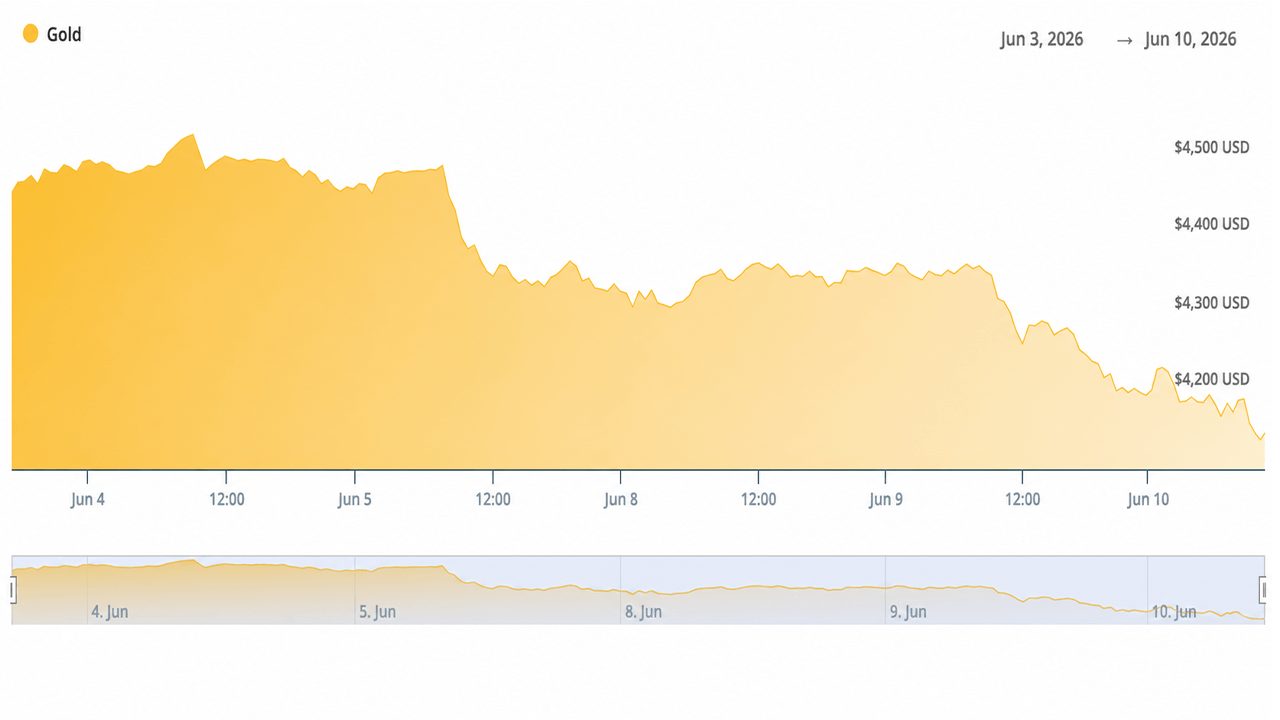
The primary driver is energy. Geopolitical tensions surrounding Iran and the strategically critical Strait of Hormuz, through which roughly a fifth of global oil supply passes, have pushed energy costs higher across Europe.
Core inflation at 2.5%, which strips out volatile food and energy prices, suggests the problem isn’t limited to oil.
Lagarde and her colleagues have emphasized a data-driven approach, carefully avoiding any commitment to a specific rate trajectory.
What this means for investors and crypto markets
For traditional markets, higher interest rates tend to strengthen the euro, which affects exchange rates and capital flows across global markets. Euro-denominated bonds become more attractive relative to riskier assets, and borrowing costs rise for businesses and consumers across the eurozone.
For crypto specifically, Bitcoin has shown some resilience during periods of softer inflation readings, benefiting from its narrative as a hedge against monetary uncertainty. Recent reports have noted a positive impact from inflation news on crypto trading, with Bitcoin remaining the primary beneficiary of interest.
Crypto traders should watch the July 23 ECB meeting closely, along with the next round of euro area inflation data. If core inflation continues climbing above 2.5%, expect markets to price in additional hikes.
Disclosure: This article was edited by Editorial Team. For more information on how we create and review content, see our Editorial Policy.








 English (US) ·