
 10 hours ago
12
10 hours ago
12
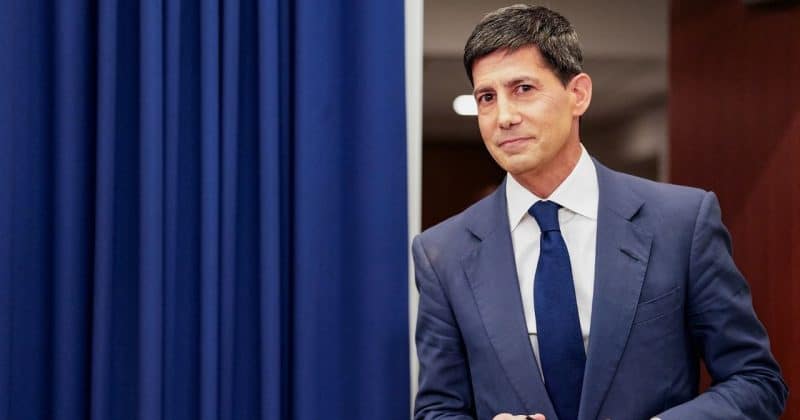
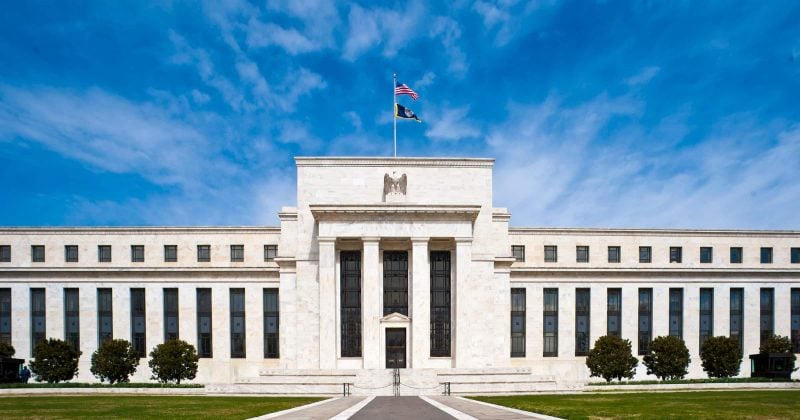
Kevin Warsh officially took the reins of the Federal Reserve on May 22, 2026, and he’s already walking into a buzz saw. His first Federal Open Market Committee meeting, scheduled for June 18, arrives at a moment when the conversation around interest rates has quietly, uncomfortably shifted from “when do we cut” to “do we actually need to raise.”
US inflation sits at multi-year highs, geopolitical tensions are keeping energy markets on edge, and markets are watching every syllable from the new chairman like it’s a Supreme Court oral argument.
The policy landscape Warsh inherits
Warsh, confirmed by the Senate after succeeding Jerome Powell, inherits an economy where persistent inflation has made the path forward genuinely uncertain.
Market forecasts currently suggest no immediate rate change at the June meeting. That’s the consensus view: hold steady, assess the data, and avoid making any dramatic moves in your first week on the job.
But the subtext is harder to ignore. With inflation stubbornly elevated, analysts have started openly discussing the possibility of future rate hikes. That’s a sharp reversal from the rate-cut optimism that dominated earlier conversations.
Warsh previously served as a Fed Governor from 2006 to 2011, a period that included the global financial crisis. He’s not new to the institution, but he is new to the chair.
What makes Warsh different
Warsh has historically been critical of the Fed’s approach to forward guidance, the practice of telegraphing future rate decisions well in advance. Warsh has suggested this approach can sometimes do more harm than good, boxing the Fed into corners and reducing its flexibility.
Powell faced relentless public scrutiny, including pressure from both political figures and market participants to cut rates during periods of economic uncertainty. Warsh enters with a different reputation, one shaped by his time as a governor during the 2008 crisis and his subsequent commentary from the outside.
Geopolitics and the inflation puzzle
The inflation picture isn’t purely domestic. Geopolitical tensions have contributed to elevated price pressures, particularly through energy markets. A recent agreement between the US and Iran has offered some relief on the energy front, but the broader landscape remains volatile.
What this means for investors
A hold decision in June would give markets a brief exhale, but it won’t resolve the bigger question of whether rates need to go higher.
For risk assets, including equities and crypto, the calculus is familiar but intensifying. Higher rates or even the expectation of higher rates tend to pull capital toward safer, yield-bearing instruments.
Crypto markets remain sensitive to shifts in risk sentiment. Bitcoin and other digital assets have historically moved in response to changes in rate expectations, not because the Fed directly targets them, but because liquidity conditions affect everything.
If the Fed holds while other major central banks cut, the dollar strengthens, which creates its own set of winners and losers across global markets. Crypto, which often moves inversely to dollar strength, could face headwinds in that scenario.
Disclosure: This article was edited by Editorial Team. For more information on how we create and review content, see our Editorial Policy.





 English (US) ·