
 3 months ago
66
3 months ago
66
For more than a decade, the Federal Reserve operated like a GPS for financial markets, telling investors not just where interest rates were but where they were headed. That GPS just got unplugged.
At the June 17, 2026, FOMC meeting, newly appointed Chair Kevin Warsh oversaw a policy statement that was remarkably short by Fed standards. The committee held the federal funds target range steady at 3.5%-3.75%, but the real story wasn’t the rate decision. It was everything the Fed chose not to say.
The end of hand-holding
Forward guidance, the practice of telegraphing future policy moves, became the Fed’s signature communication tool during the 2008 financial crisis. During the pandemic, the Fed leaned into this approach even harder, practically drawing a roadmap for rate decisions months in advance.
During his press conference, Warsh stated that forward guidance “may no longer be helpful” and is not the appropriate focus for the central bank. This marks the first major official break from the detailed guidance framework in over a decade. Warsh has been a vocal critic of excessive forward guidance for years, arguing it constrains the Fed’s ability to respond effectively to changing economic conditions.
Bitcoin’s reaction tells the story
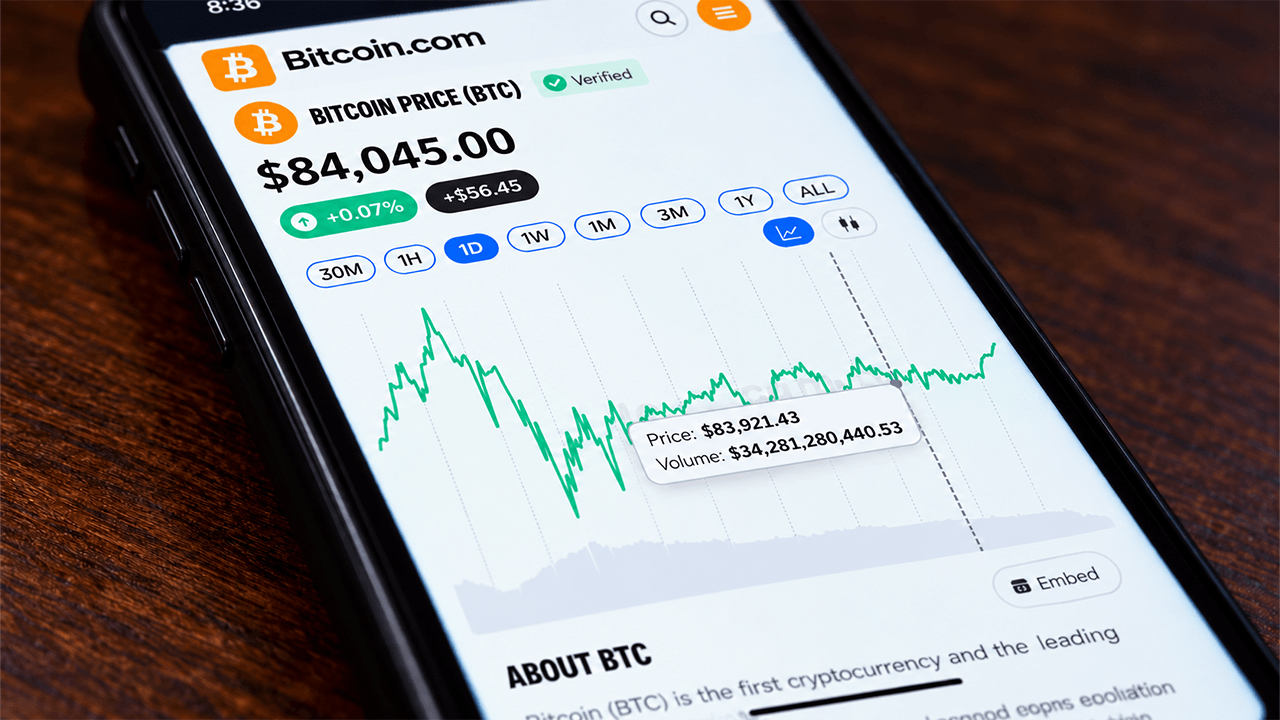
Bitcoin dropped to an intraday low of $62,236 following the announcement, sliding below the $63,000 level as traders processed what a guidance-free Fed means for risk assets.
The sell-off wasn’t about the rate decision itself. Holding rates steady at 3.5%-3.75% was widely expected. The volatility came from the sudden removal of the safety net that forward guidance had provided.
Warsh’s personal financial disclosures reveal holdings in Bitcoin, Solana, and Polymarket. He has publicly referred to Bitcoin as “the new gold” for younger investors. A Fed chair with skin in the crypto game is, to put it mildly, unprecedented.
That dual identity creates a strange dynamic. The person most responsible for the policy shift that just knocked Bitcoin below $63K is also someone who is personally invested in the asset’s long-term success.
What this means for crypto investors
In a guidance-free environment, every economic data release carries more weight. Jobs reports, inflation prints, GDP figures. Each one becomes a potential catalyst because markets can no longer look past bad data by pointing to a Fed commitment to cut rates at the next meeting.
For Bitcoin specifically, this creates a paradox. The asset has increasingly correlated with macro liquidity expectations over the past several years. When traders believed rate cuts were coming, Bitcoin rallied. When those expectations got pushed back, it sold off.
Rates sitting at 3.5%-3.75% suggest the Fed still sees enough economic resilience to avoid cutting. Warsh’s communication shift, combined with a cautious stance on growth and an apparent willingness to keep rates elevated for longer, points to a Fed that wants maximum optionality.
Disclosure: This article was edited by Editorial Team. For more information on how we create and review content, see our Editorial Policy.







 English (US) ·