
 11 hours ago
11
11 hours ago
11
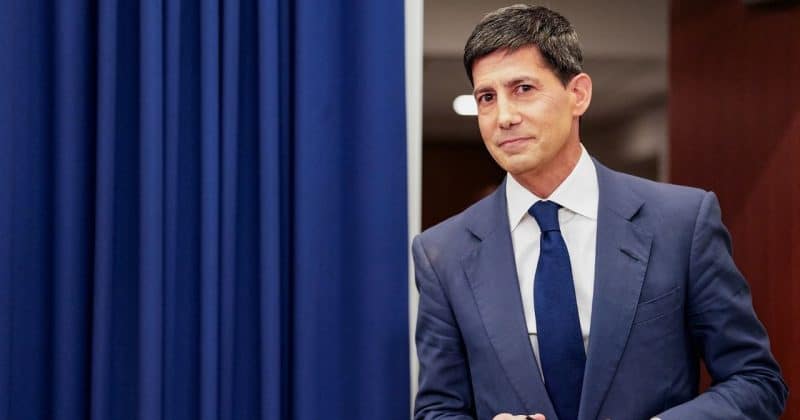
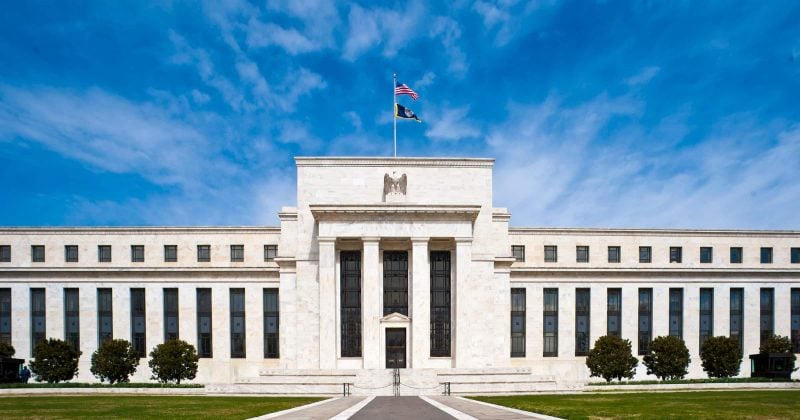
Kevin Warsh takes the chair at the Federal Reserve’s June 16-17 FOMC meeting with a mandate that sounds straightforward: do nothing. Markets are pricing in roughly 99% odds that the Fed holds its benchmark rate at 3.5% to 3.75%.
Confirmed as Fed Chair on May 22, 2026, Warsh inherits an inflation problem that makes the “hold” decision feel less like patience and more like a coiled spring. The Consumer Price Index has climbed to 4.2%, its highest reading in three years, and the conversation on Wall Street has quietly shifted from “when do we get rate cuts” to “how many hikes are coming.”
The Warsh era begins with a hawkish backdrop
The dot plot is the chart where each Fed official anonymously projects where they think rates should be at various points in the future. The expectation heading into this meeting is that the dots will shift noticeably hawkish, with analysts anticipating the removal of easing biases that lingered from the prior regime and a meaningful shift in rate-cut expectations through 2027.
Market pricing currently reflects a 66% probability of at least one rate hike before the end of 2026. That’s a dramatic reversal from earlier this year, when easing was still the base case for many investors.
Warsh’s approach has already drawn comparisons to Alan Greenspan, rooted in Warsh’s willingness to use communication as a policy tool, signaling intentions well before acting.
What this means for crypto and risk assets
When borrowing costs stay elevated or threaten to rise further, money gets more expensive. Bitcoin and the broader digital asset market fall squarely into the “speculative bet” category for most institutional allocators, and a Fed that’s done cutting, and possibly gearing up to hike, is not the environment where risk assets typically thrive.
Inflation running at 4.2% means the Fed has genuine economic justification to stay restrictive, regardless of political pressure. President Trump has been vocal about preferring looser monetary policy, but Warsh’s confirmation was partly built on credibility that he would prioritize price stability over political convenience.
Sustained rates at 3.5% to 3.75%, with the possibility of moving higher, means Treasury yields remain attractive on a risk-adjusted basis. When you can earn meaningful yield on government bonds, the opportunity cost of holding non-yielding assets like Bitcoin increases.
What investors should watch
The real information will come from three places: the statement language, the dot plot revisions, and Warsh’s press conference.
On the statement, watch for any changes in how the committee describes inflation. Moving from “elevated” to “persistent” or “accelerating” would signal that the committee’s internal concern level has risen.
The dot plot revisions will reveal whether the hawkish shift is a minority view or a consensus position. If the median dot moves up, suggesting a rate hike is now the baseline expectation for late 2026, expect an immediate repricing across risk assets. Crypto markets tend to react faster than equities to these signals, partly because they trade 24/7.
For crypto investors specifically, the key metric to track in the days following the meeting is Bitcoin’s correlation with the 10-year Treasury yield. When that correlation turns strongly negative, meaning Bitcoin falls as yields rise, it confirms that macro is driving the trade.
With 4.2% inflation and rates already in the mid-threes, the Fed has limited room to cut even if the economy weakens. That asymmetry, where hikes are more likely than cuts, is the kind of environment that historically compresses crypto valuations and extends the timeline for any sustained rally.
Disclosure: This article was edited by Editorial Team. For more information on how we create and review content, see our Editorial Policy.




 English (US) ·