
 1 hour ago
21
1 hour ago
21
FIFA has a long history of controversy. This week, it added a new chapter.
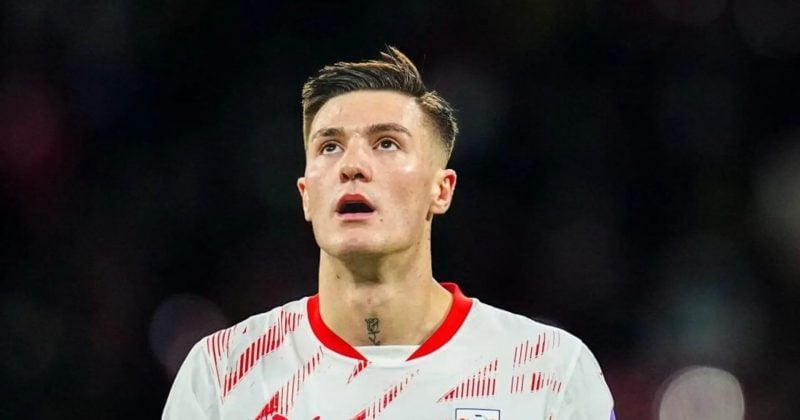
The FIFA Disciplinary Committee suspended the enforcement of a red card issued to US Men’s National Team striker Folarin Balogun, placing his automatic one-match ban on a one-year probation under Article 27 of the FIFA Disciplinary Code. The ruling came down on July 5-6, 2026, roughly a week after Balogun received the card during a round-of-32 World Cup match against Bosnia-Herzegovina on June 29.
The practical result: Balogun suited up for the US in their round-of-16 clash against Belgium.
The phone call that made it weird
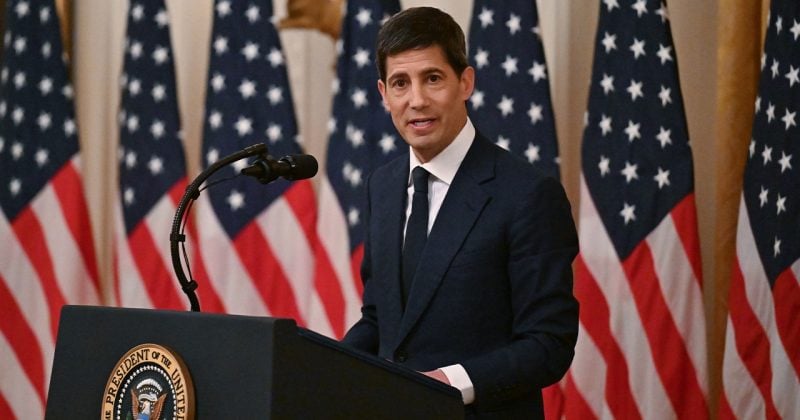
President Donald Trump confirmed he personally called FIFA President Gianni Infantino to push for a review of the foul, saying he did not believe it warranted a red card.
FIFA has not confirmed whether Trump’s call influenced the committee’s deliberations. What it did confirm, through the ruling itself, is that Balogun’s ban was suspended rather than served.
The Royal Belgian Football Association voiced concerns about competition integrity, and UEFA echoed those objections, with both bodies hinting at potential appeals or further action against the ruling.
Why this matters beyond the pitch
FIFA has spent the better part of the past several years building out a blockchain-adjacent business. Its FIFA Collect NFT platform, launched as part of a broader push into digital collectibles, positioned the governing body as a participant in the crypto economy.
Corporate partners and platform stakeholders tend to run quiet risk assessments on exactly this kind of reputational exposure. Whether or not this single ruling triggers any formal reassessment of partnerships, it adds to a file that already includes FIFA’s long-running corruption settlements and ongoing scrutiny from regulatory bodies in multiple jurisdictions.
What investors in FIFA-adjacent digital markets should watch
First, watch UEFA’s next move. If European football authorities formally appeal the FIFA ruling or push for a governance review, that process could draw regulatory attention to FIFA’s broader operations, including its commercial partnerships.
Second, the 2026 World Cup, co-hosted across the US, Canada, and Mexico, was intended as a showcase for FIFA’s commercial reinvention with an expanded format and a built-in American audience. A controversy involving political interference in referee decisions is not the narrative FIFA’s commercial partners scripted.
Third, and most directly for crypto markets, NFT platforms tied to specific IP holders are more exposed to reputational risk than decentralized protocols, precisely because the value proposition is centralized. Crypto-focused media coverage of this incident has highlighted reputational risks to FIFA’s NFT partnerships as a specific limitation in discourse around the ruling.
Disclosure: This article was edited by Editorial Team. For more information on how we create and review content, see our Editorial Policy.





 English (US) ·