
 2 hours ago
27
2 hours ago
27
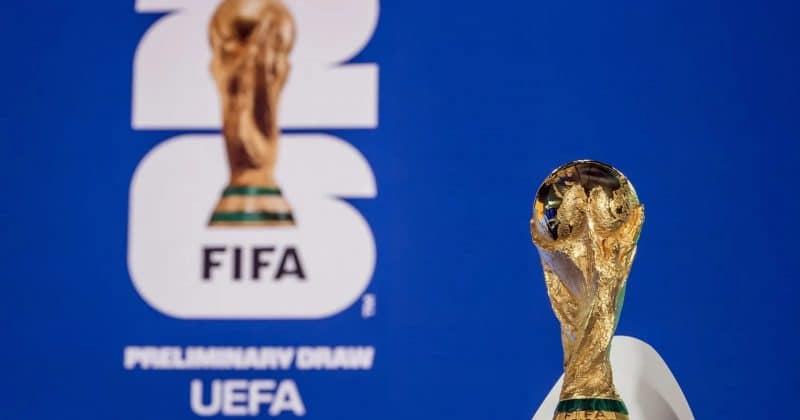
FIFA President Gianni Infantino issued a statement on July 6 responding to President Donald Trump’s very public request that the governing body review US striker Folarin Balogun’s red card suspension during the 2026 World Cup. Infantino’s message was diplomatic but firm: FIFA’s judicial bodies are independent, they operate autonomously, and they decide cases based on regulations and facts, not phone calls from heads of state.
What actually happened with Balogun
Trump told reporters he had personally asked Infantino whether FIFA would review the play that earned Balogun a red card. Trump reportedly called the suspension an “injustice” and described Balogun as “our best player.”
FIFA suspended Balogun’s automatic one-match ban under Article 27 of its Disciplinary Code, placing it on a one-year probation period instead. In practical terms, Balogun gets to play in the upcoming match against Belgium while the card stays on his record.
FIFA’s crypto pivot and the Kraken partnership
In June 2026, FIFA announced Kraken as its first official cryptocurrency exchange partner for the World Cup. Alongside the Kraken partnership, FIFA launched the FIFA Blockchain, built on the Avalanche network. The platform powers digital collectibles and fan engagement tools, giving the tournament a Web3 layer that previous World Cups lacked entirely.
Fan tokens and the SportFi angle
National-team fan tokens, like Brazil’s BFT, give holders voting rights on minor team decisions and access to NFT utilities through platforms like Socios, which runs on the Chiliz network.
World Cup performance directly correlates with fan token trading activity. The Balogun situation, where a key US player’s availability hung in the balance pending a governance decision, is exactly the type of event that drives speculative volume in tokens like CHZ and team-specific assets.
Disclosure: This article was edited by Editorial Team. For more information on how we create and review content, see our Editorial Policy.


 English (US) ·