
 1 hour ago
20
1 hour ago
20
The 2026 FIFA World Cup has arrived in Guadalajara, with fans flooding the streets ahead of Mexico’s first-ever World Cup match in the city. The tournament, which kicked off on June 11, 2026, marks a historic first: three nations co-hosting the same World Cup. Canada, Mexico, and the United States are sharing duties across venues, and Guadalajara’s Estadio Akron is pulling its weight with four group-stage matches on the schedule, including Mexico vs. South Korea on June 18.
Guadalajara’s World Cup history gets a new chapter
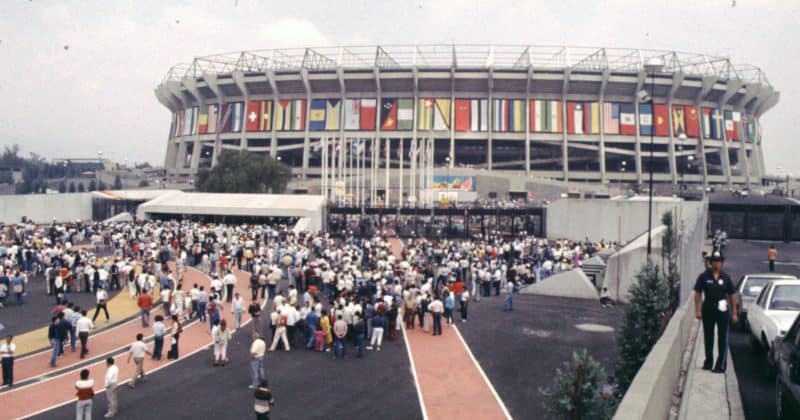
This isn’t Guadalajara’s first rodeo. The city previously hosted World Cup matches in both 1970 and 1986, making this its third turn as a tournament venue. The 2026 edition also features an expanded 48-team format.
Estadio Akron, the home ground of Liga MX club Chivas, seats roughly 49,000 fans and is set to host four group-stage matches.
FIFA’s quiet crypto play is still running
FIFA continues to operate FIFA Collect, its digital collectibles platform built on a dedicated FIFA Blockchain powered by Avalanche technology. The platform allows fans to buy and trade digital collectibles using USDC, the dollar-pegged stablecoin.
The Guadalajara fan events themselves have not featured any visible blockchain integrations. FIFA appears content to let the digital collectibles platform operate as an opt-in layer rather than forcing crypto into the matchday experience.
What this means for crypto investors
FIFA’s decision to build on Avalanche rather than launching its own standalone chain is a notable choice of established Layer 1 infrastructure. FIFA chose USDC as the transaction medium, not a proprietary token, not ETH, not AVAX.
The 2022 World Cup in Qatar saw fan token volumes surge before and during the tournament, then cool significantly afterward.
Disclosure: This article was edited by Editorial Team. For more information on how we create and review content, see our Editorial Policy.




 English (US) ·