
 1 hour ago
19
1 hour ago
19
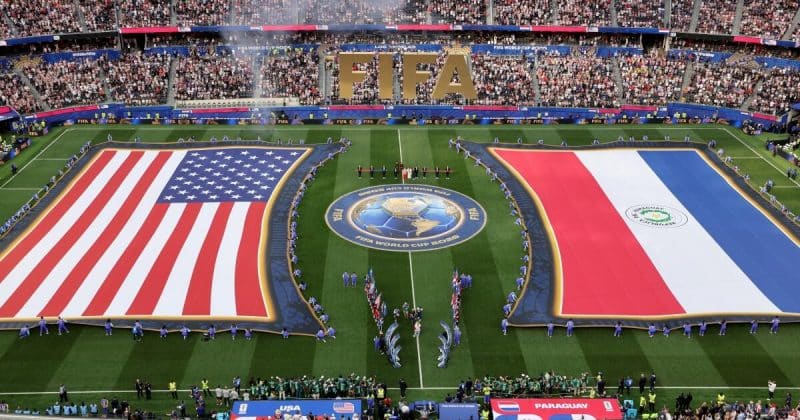
The 2026 FIFA World Cup is officially underway, and it brought a few firsts with it. Forty-eight countries. Three host nations. And the most significant crypto integration any FIFA tournament has ever seen.
Mexico kicked things off on June 11 with a 2-0 win over South Africa in the tournament’s opening match, setting the tone for what will be 104 games stretched across the United States, Canada, and Mexico through July 19.
Crypto’s biggest sports moment
Two days before the first whistle blew, Kraken announced its role as the Official Crypto Exchange Supporter of the 2026 World Cup. The designation, revealed on June 9, makes Kraken the tournament’s marquee crypto partner, though notably no crypto exchange has landed a top-tier global sponsorship slot.
Kraken isn’t alone. Avalanche has been tapped to power the official FIFA Blockchain, serving as the infrastructure layer for NFTs and loyalty programs tied to the tournament.
Chiliz, the company behind the Socios.com platform, is handling fan tokens for national teams. These tokens let supporters vote on minor team decisions and access exclusive content, a model Chiliz has already deployed with dozens of European football clubs.
Chainlink is providing oracle infrastructure for prediction markets. Chainlink’s technology feeds real-world match data, like scores and results, onto the blockchain so that decentralized prediction platforms can settle bets and markets accurately.
Why crypto keeps chasing football
Crypto.com famously paid $700 million for naming rights to the former Staples Center in Los Angeles. FTX slapped its logo on everything from Formula 1 cars to baseball stadiums before its spectacular collapse in 2022. The difference this time is that the partnerships are more functional than cosmetic. Avalanche isn’t just buying ad space. It’s running infrastructure. Chiliz isn’t just sponsoring jerseys. It’s building fan engagement tools.
Not every project riding the World Cup wave has that kind of substance. A meme token called FWC26, launched on Solana, currently sits at a market cap of roughly $3,000.
The first tri-nation World Cup
The tournament itself represents a historic structural overhaul. Previous World Cups featured 32 teams. The jump to 48 means more qualifying nations, more matches, and a significantly longer schedule. This is the first time three countries have co-hosted the event.
FIFA has also hinted at the possibility of launching its own native tokens in the future, though nothing concrete has materialized.
What this means for investors
Fan tokens powered by Chiliz have historically seen trading volume spikes around major tournaments. The pattern is fairly predictable: interest surges during events, then tapers off.
Avalanche, in particular, has a lot riding on this. Successfully powering NFTs and loyalty programs for the world’s biggest sporting event would be a reference point the project can leverage for years.
Disclosure: This article was edited by Editorial Team. For more information on how we create and review content, see our Editorial Policy.


 English (US) ·